

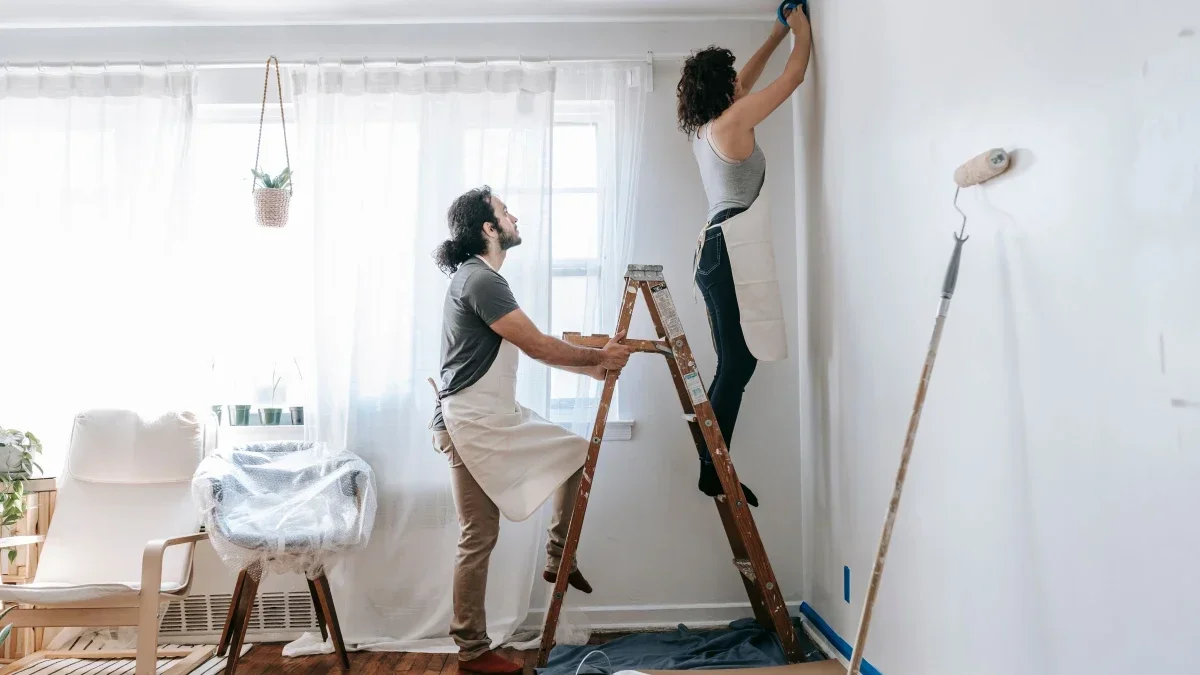
Most "home hack" lists start by telling you to buy something. A gadget, a special spray, an organizer set in three sizes. But the smartest fix in your house is usually the one that costs nothing and takes ten minutes. That squeaky hinge? A drop of cooking oil. That drawer you can never close? It's overfull, not broken. That corner that always smells musty? It needs airflow, not a plug-in.
Welcome to the Home Hacks hub at The Thrifty Almanac. This is where we collect the practical, low-cost, no-nonsense ways to make your home work better using the stuff you already have on hand and a few small habits that stick. No pressure to renovate. No guilt trips. Just honest fixes that respect your time, your budget, and the fact that you have a life outside of scrubbing grout.
The philosophy: better home, small effort, cheap staples
We believe a good home isn't the result of one big weekend project or a cart full of specialty products. It's the sum of dozens of tiny decisions and a handful of cheap materials used well. White vinegar, baking soda, dish soap, a couple of microfiber cloths, and a little consistency will carry you further than most of what's marketed to you. We put those homemade cleaners to the honest test so you don't have to.
Everything on this hub is built on four ideas we come back to again and again.
1. Shop your own house first

Before you buy the thing, look for what already does the job. A shower squeegee lives in the bathroom, but it also pulls pet hair off a couch in seconds. An old toothbrush is the best tool you own for grout lines and faucet crevices. A binder clip tames a tangle of charging cables. Ice cubes lift dents out of carpet where furniture sat. The habit of asking "what do I already have?" saves real money over a year, and it usually saves a trip to the store too.
2. Fix the habit, not the mess
Wiping the shower walls every day is a cleaning chore. Keeping a squeegee hung inside the shower so it's done in fifteen seconds is a habit that prevents the chore. Most recurring messes in a home aren't cleaning problems, they're system problems. The pile of mail on the counter isn't a clutter issue, it's a missing landing spot for mail. Fix where things go, and the mess stops coming back on its own.
3. Cheap staples over specialty products
The cleaning aisle wants you to own a different bottle for every surface. In reality, a few basics handle the vast majority of jobs at a fraction of the price. Here's how the staples stack up.
| Cheap staple | What it handles | Rough cost | Skip the pricey version because... |
|---|---|---|---|
| White vinegar | Hard water spots, glass, coffee makers, deodorizing | ~$3 a gallon | A gallon outlasts a dozen small "glass cleaner" bottles |
| Baking soda | Scrubbing sinks, freshening fridges and carpets, drains | ~$1 a box | It's the same abrasive in most "soft scrub" cleaners |
| Dish soap | Grease, spot-cleaning upholstery, general washing | ~$3 a bottle | A few drops replaces many single-purpose cleaners |
| Microfiber cloths | Dusting, glass, most wipe-downs, no streaks | ~$1 each in a pack | Reusable for years, so paper towels stop adding up |
We'll always tell you honestly when a specialty product is worth it, and when it's just a nicer label on the same ingredients. It's the same honest lens we bring to which pantry staples actually clean. Sometimes the right tool really does matter. Most of the time, it doesn't.
4. Small wins compound

You don't have to overhaul a room. Make your bed. Wipe one counter. Deal with one drawer. Each small win lowers the mental clutter and makes the next one easier, and a week of ten-minute wins beats one exhausting all-day cleanout that you dread and put off. This is the quiet math behind a home that feels calmer without ever feeling like a project.
The best home isn't built in a weekend. It's built in the small choices you make on ordinary Tuesdays, with the stuff already in your cupboard.
Who this is for
This hub was written with a specific reader in mind, and there's a good chance that's you.
- Renters. Everything here leans toward reversible, damage-free fixes that won't cost you a security deposit. For renters, that starts with renter-safe storage that protects your deposit. No holes you can't patch, no permanent changes you'd have to explain at move-out.
- Tight budgets. We assume you'd rather not spend, and we treat any purchase as something to justify, not the default answer.
- Busy people. Short on time and low on patience for fussy routines. Most of what we suggest fits into the gaps of a normal day.
- DIY-curious folks. Comfortable trying things yourself, but wanting to know where the line is before a job needs a pro.
And here's our honest promise: we'll tell you when to stop. If a fix touches your gas line, your main electrical panel, structural framing, or a serious mold or pest situation, we'll say plainly that it's time to call a licensed pro. Saving money is great. It's never worth your safety.
How to use this hub

Below this page you'll find our home hacks organized into clusters, and the system keeps that list current so we don't have to hand-maintain it. You don't need to read everything. In fact, please don't.
- Pick one cluster that matches a real problem you have right now. Not the one that sounds most impressive, the one bugging you today.
- Try one hack from it. Just one. See if it holds up in your actual home.
- Keep what works, drop what doesn't, and come back when the next thing bugs you.
That's the whole method. Small, specific, low-stakes. You're not building a new lifestyle, you're just making today a little smoother than yesterday.
Common mistakes people make with home hacks
- Buying the solution before trying the free one. The organizer, the gadget, the special spray. Try the free fix first, most of the time it's enough.
- Mixing cleaners. Never combine bleach with vinegar or ammonia, the fumes are genuinely dangerous. When in doubt, use one thing at a time and rinse between.
- Going too big. Deciding to "do the whole house" this weekend, burning out by noon, and touching nothing for a month. Small beats heroic.
- Skipping the spot test. A new cleaner or method on a hidden patch first saves you from ruining a couch or a countertop.
- Treating symptoms forever. Cleaning the same mess weekly instead of fixing why it keeps appearing.
Explore the home hacks by cluster
Here's the quick map of what's below, grouped by the kind of problem you're trying to solve. Pick the cluster that matches what's bugging you today and start with a single hack.
Cleaning and kitchen fixes
Start with the myth-busters: we explain what really happens when you mix vinegar and baking soda, the safe way to steam-clean a microwave, and what hydrogen peroxide can and can't do around the house, and the honest REAL / MYTH / DANGEROUS guide to borax. From there, see whether homemade laundry detergent is really worth it, why a clogged dryer vent is the laundry-room risk worth checking, which of grandma's kitchen tricks hold up to a fact-check, and how to get more shaves out of every razor blade, and whether you can really sharpen a knife on a coffee mug.
Staying cool, warm, and powered
For comfort without a big utility bill, learn what actually cools a room without AC, why your upstairs turns into an oven in summer, and the design tricks that kept old houses cool before air conditioning. We also sort fact from folklore on the candle-and-flowerpot room heater, round up free habit changes that trim your electric bill, check whether a new smart meter really raised your bill, test the box-fan air purifier, spell out what a cheap backup power box can really run, and show how to seal drafty windows and doors for under $10.
Damp, mold, rust, and lasting repairs
Moisture and decay quietly cost homeowners the most, so we cover the salt trick for a damp room, how to get rid of black mold and keep it gone, and the honest chemistry of stopping rust without expensive products. For the structure itself, there's the old-mason method for sealing concrete cracks the honest way, a guide to telling a harmless foundation crack from a serious one, and the free, old-school ways to make a wood fence last for decades.
Drains and plumbing
Before you call a plumber, find out what actually clears a clogged drain, pick up the $2 monthly habit that keeps drains clear, and see which $15 plumbing fixes replace a pricey call-out.
Food, storage, and the garden
In the pantry and yard, there's the honest guide to keeping food cold without a fridge, a system for organizing a pantry on a budget, and the real numbers behind the water-from-thin-air $12 trick, and what a homemade water filter can and cannot make safe to drink. Gardeners can see which vegetables you can regrow from kitchen scraps, how olla pots water plants while you're away, and whether Epsom salt and borax actually help your garden.
Small habits that save money
And if you like the mindset behind all of this, our fact-check of Depression-era money habits worth keeping shows which frugal traditions still save real money today. And before you agree to pay for a faster internet plan, try the free fixes for slow Wi-Fi first — placement and settings changes that cost nothing.
Frequently asked questions
Do I really need special cleaning products?
For most everyday jobs, no. Vinegar, baking soda, dish soap, and microfiber cloths cover the majority of surfaces in a typical home. We'll flag the specific cases where a dedicated product is genuinely worth it.
Are these hacks safe for rentals?

We prioritize reversible, non-damaging fixes so you can protect your deposit. When a hack could leave a mark or needs your landlord's okay, we say so directly in the post.
How do I know when to call a professional instead?
As a rule, DIY the low-risk stuff and stop at anything involving gas, major electrical, structural work, or a large pest or mold problem. If a mistake could hurt you or cause expensive damage, that's a pro job, and we'll tell you so.
Where should a total beginner start?
Pick the one cluster below that matches something annoying you right now, try a single hack from it, and see how it goes. One small win is a better start than a giant plan you never finish.
The takeaway is simple: a better home comes from using what you have, fixing habits instead of chasing messes, and stacking small wins until they add up. Scroll down, pick one cluster, and try one thing. That's all it takes to get started.






0comments