

The video always goes the same way. A dead battery, a funnel, a scoop of Epsom salt, a charger overnight, and a triumphant engine start captioned with a promise: you will never buy a car battery again.
Part of that trend is real and can save you a battery this weekend. Part is a genuine mechanism oversold into a miracle. And part means opening a container of sulfuric acid venting explosive gas, for a benefit no safety agency endorses.
The promise, and the one sentence that ends it
The Department of Energy's battery primer is blunt about the ceiling: all lead-acid batteries wear out in 1 to 15 years even if they are rarely used, because the acid degrades the internal components regardless of use. "Never buy another battery" is arithmetic that does not exist. What is left splits three ways:
- Works, do first: the battery may not be the problem at all.
- Real but oversold: sulfation is partly reversible — right battery, poor odds.
- Myth and hazard: anything poured into the cells, or any sealed battery.
Sorting fixes that hold up from folklore is the whole job of our practical fix-it playbook.
Before you touch anything: it may not be the battery
Bad connections. A university battery-service checklist says to inspect for defective cables, loose connections, corrosion, cracked cases and loose terminal posts, and to clean posts and clamps with baking soda paste and a stiff brush. That blue-white crust is a resistor between a healthy battery and your starter, and costs pennies to remove — the same catch-it-early logic as our guide to removing versus converting versus sealing rust.
Something staying awake overnight. A General Motors bulletin filed with NHTSA documents complaints of "dead battery/required jump start," slow crank and low state of charge below 40°F, caused by a seat memory control module waking the vehicle's data bus. The fix was replacing the module, and technicians check for aftermarket equipment first. If your "bad battery" only misbehaves after a cold night sitting still, you are chasing a drain — have a shop run the manufacturer's parasitic draw procedure.
What sulfation actually is
This is the true part of the viral claim. As a battery discharges, plate material converts to lead sulfate. Recharge it soon after and, per the Florida Solar Energy Center, the lead sulfate converts easily back into the active materials. Leave it below full charge for days or weeks and the crystals grow, lock away active material, cut capacity and raise internal resistance — grow large enough, and they damage the plates.
So the cheapest desulfation is recharging promptly and keeping the battery full. One that sat discharged in a project car all winter is a rescue candidate. A seven-year-old battery driven daily is not.
The honest verdict on desulfation and equalize mode
A Penn State doctoral dissertation puts it plainly: not all aging mechanisms in lead-acid batteries are reversible, but hard sulfation is — a low-current desulfation charge recovered 41% of one cell's capacity. The videos skip what the same study found next: in that dead six-cell battery, three cells had died of water loss and only one of sulfation. No charger reverses water loss. One battery is not a statistic, but the odds are poor.
Two limits. That 41% came from a lab controller on a long, low-current charge — no authority has tested a consumer "repair mode" charger, and the equalize guidance in these sources is written for off-grid banks. Skip the resting-voltage rules of thumb online; the literature's indicator is specific gravity, typically 1.250 to 1.280 in a fully charged flooded cell.
What no charger and no additive can undo
That dissertation lists how these cells die: corrosion, hard sulfation, water loss, shedding and active mass degradation. Only sulfation reverses. DOE notes flooded cases hold sloughed-off material, which can lower the battery's performance level — material off the plates is not going back on.
One more warning if you treat the car as emergency power: DOE says car and marine starting batteries are not designed for deep discharges and will quickly fail if deep-cycled. If that is the plan, read what a vehicle realistically can and cannot run during an outage first.
The Epsom salt, aspirin and soda myth
Every authority on topping up a flooded battery says the same: distilled water, nothing else. FSEC is specific that even the impurities in normal tap water can poison the battery and result in premature failure. If tap water is disqualifying, garden-shed magnesium sulfate is not an upgrade. Additives are a real research subject with mixed results — lithium sulfate raised efficiency from 77% to 85% in one study while zinc sulfate did nothing — but that is lab chemistry.
No authoritative source finds Epsom salt destroys plates either — it is simply unsupported and unnecessary. On aspirin and soft drinks, no safety or energy authority discusses them at all. Either way, nothing dissolved into the acid puts shed plate material back, and opening cells means handling a solution that is 35% sulfuric acid.
If it says AGM, gel, sealed or maintenance-free, stop
In valve-regulated designs — gel and AGM — the electrolyte cannot be replenished by design, and they are intolerant of excessive overcharge, which is what an aggressive recovery charge is. No cell caps means the hack is not difficult, it is impossible.
Sources conflict on one detail: some say keep vent caps securely in place, while one workplace procedure says to remove filler caps to vent hydrogen before jump-starting — explicitly excluding maintenance-free batteries. Safe common denominator: never open a sealed battery, and follow your vehicle manual.
The part the videos skip: hydrogen, acid and lead
OSHA states flammable hydrogen is always present during battery recharging and potentially explosive if allowed to accumulate in a closed area. FSEC adds what matters in a home garage: explosive gases may be present for several hours after a battery has been charged, so switch the charger off before making or breaking any connection. Extension guidance notes many explosions are believed to happen when electrolyte sits below the plates, leaving room for gas to collect.
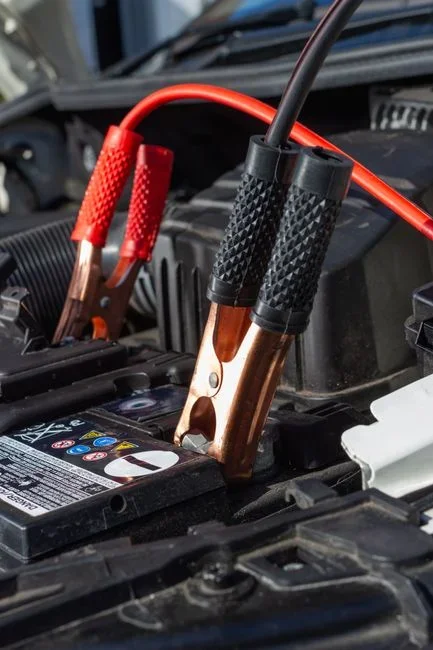
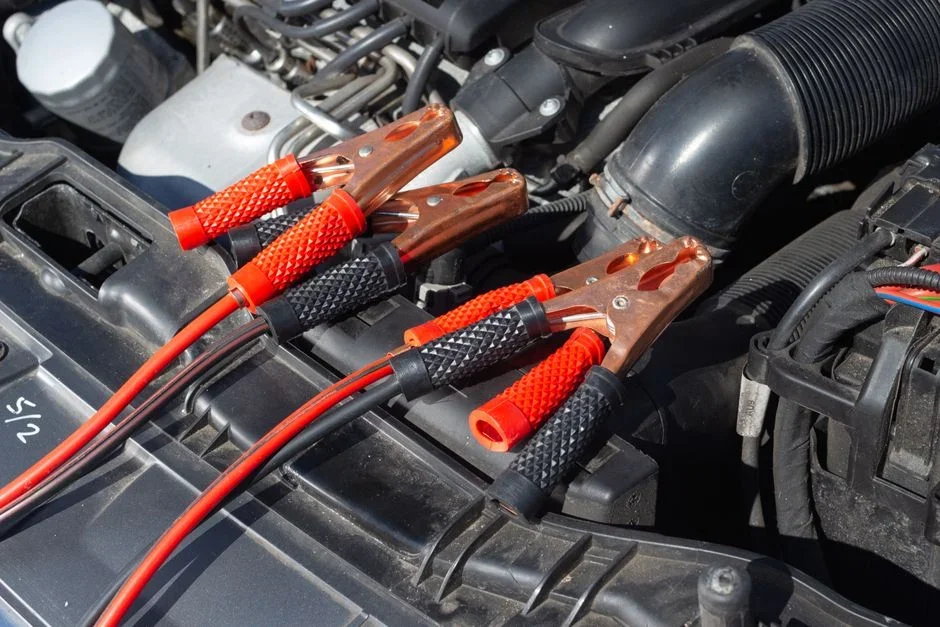
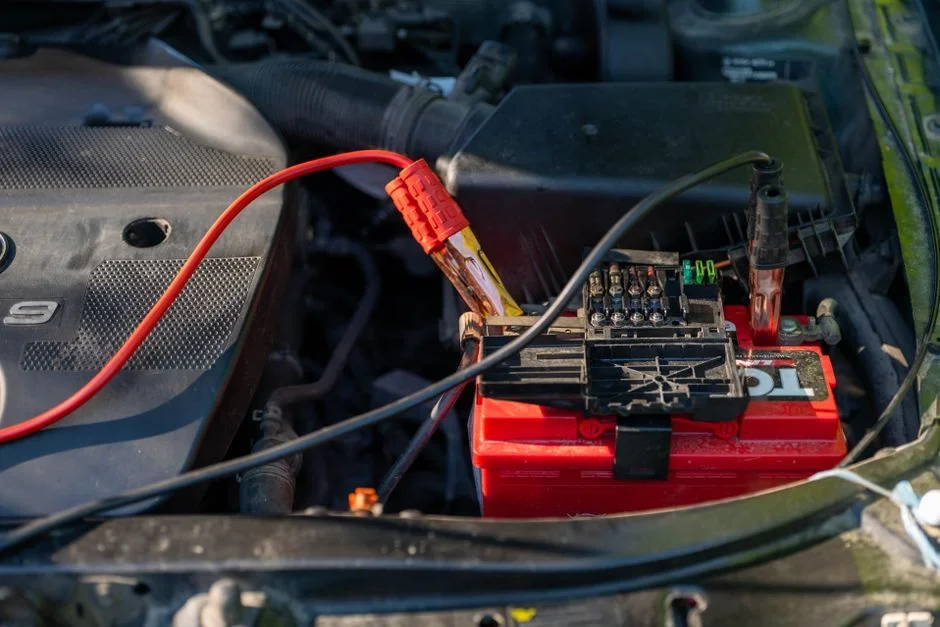
Jump-starting has a cable order for the same reason: the final black clamp goes onto the engine block below and away from the dead battery, because the spark happens at the last connection you make.
ATSDR states sulfuric acid in the eyes will make the eyes water and will burn; NIOSH calls it destructive to the skin, eyes, teeth and lungs. A University of California safety note reports the CPSC's 2003 count: about 2,300 people treated in hospitals for lead-acid battery injuries, roughly 50 percent of them acid burns to the eyes. Lead poisoning also targets the nervous system in children and adults — wash up afterward, and keep kids and pets away.
The rules, all sourced: wear a face shield, goggles, rubber gloves and an apron; work where there is real airflow, because batteries give off gases that can accumulate to form an explosive mixture; and never lean over a battery, rest metal tools or jewelry on top, charge or jump a frozen one, or add water to acid instead of acid to water.
If acid gets on you: the first five minutes
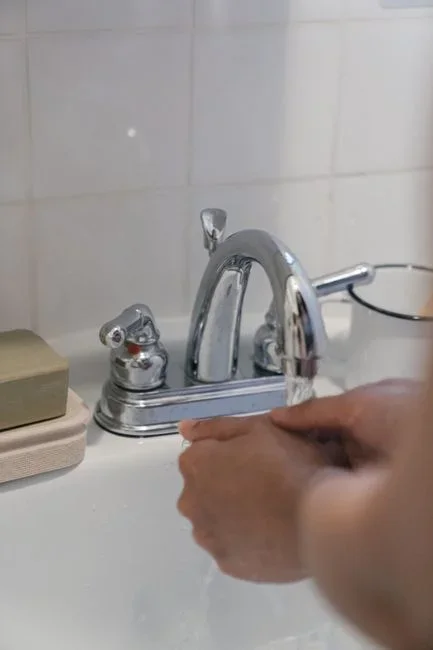
- Flush immediately — Poison Control advises at least 15 to 20 minutes of room-temperature water, contact lenses out. One university SOP goes further, specifying at least 30 minutes with the eyelids held open, without interrupting flushing. Take the longer figure.
- Call 1-800-222-1222 (US Poison Control) while flushing, or head to an emergency room if symptoms are severe. A delay could result in loss of sight.
- For skin, flood with water and strip contaminated clothing under the stream; seek medical attention if the burn looks second degree or worse. Before you start, keep an eyewash able to provide a 15 minute flow in reach.
The real money: your dead battery is worth $5 to $20
EPA explains that returning a battery to a retailer, dealership or hazardous waste site refunds its core charge — a deposit of $5 to $20 whose amount the state sets — and the US recycles 99 percent of its lead-acid batteries each year, with 45 states adopting legislation based on that model. Those rules are US-specific. Never bin a battery, never let electrolyte reach the ground, never burn one.
The tier list, in the order to try it
| Action | Does it work? | Sourced basis | Hazard |
|---|---|---|---|
| Clean and tighten terminals | Often — do this first | University EHS checklist | Low |
| Chase a parasitic drain | Yes, when symptoms fit | GM bulletin at NHTSA | Low; shop procedure |
| Recharge promptly, keep it full | Yes, as prevention | FSEC on sulfate conversion | Moderate |
| One controlled recharge (flooded, sat discharged) | Sometimes; odds unquantified | Penn State: hard sulfation reverses | Moderate — wear PPE |
| Top up flooded cells with distilled water | Maintenance, not revival | FSEC, DOE, EHS | Moderate — open acid |
| Epsom salt, aspirin or soda in the cells | No support anywhere | No authority endorses additives | High — for nothing |
| Opening an AGM or sealed battery | Impossible by design | FSEC: VRLA cannot be replenished | High — acid spill |
Call a shop if the case is cracked or bulging, the battery is frozen, it runs hot on the charger, or a new battery dies the way the old one did — a car that keeps eating batteries has a wiring fault.
Common mistakes
- Buying a battery before spending five minutes on the terminals and clamps.
- Treating a lab result — 41% of one cell — as what a $40 "repair mode" charger does.
- Adding tap water instead of distilled, introducing impurities that poison the plates.
- Making or breaking a clamp connection with the charger still switched on.
- Binning the old battery, forfeiting the refund and, in most states, breaking the law.
FAQ
Does a smart charger's desulfation mode actually work?
The mechanism is real — doctoral research describes hard sulfation as reversible — but no authority has tested a consumer repair-mode charger. Treat it as one attempt on a flooded battery that merely sat flat.
Can I put Epsom salt in my battery?
No authority recommends adding anything but distilled water — tap-water impurities alone can cause premature failure. No published evidence says it restores a battery, and opening cells means handling acid for nothing.
How do I tell whether my battery is flooded or sealed?
Look for removable cell caps on top. Labels reading AGM, gel, VRLA, sealed or maintenance-free mean the electrolyte cannot be replenished at all.
Is it safe to charge a car battery in the garage?
Only with ventilation, no flames or sparks nearby, the charger off before you touch the clamps, and goggles on. Never charge a frozen battery.
The takeaway: Clean the terminals, hunt the drain, give a flooded battery one careful recharge — then buy the new one and collect your core refund, because water loss, shed plates and corroded grids never come back. Spend less. Live more. — The Thrifty Almanac




0comments