

You have seen the video: someone drops a supermarket celery butt in a dish of water on the windowsill, the timelapse spins, and green leaves erupt like the plant is thanking you for saving it from the trash. The caption promises "free groceries forever." So you try it, wait two weeks, and get a sad tuft of pale leaves the size of a coin that never becomes a stalk. It feels like a scam, and the comment sections agree.
Here is the honest version. Some kitchen scraps genuinely regrow food, some regrow only a garnish, and the real "plant once, eat for years" crops in those thumbnails are not scraps at all. This is a tier list, sorted into what is worth it, what is decorative, and what is a myth. It is the same sort-the-real-from-the-hype approach we bring to other old-fashioned kitchen tricks worth fact-checking. It is general home-gardening education, not a guarantee, and timing and lifespans shift with your region, so treat your zone as the tiebreaker.
Tier A — Scraps that genuinely regrow something usable
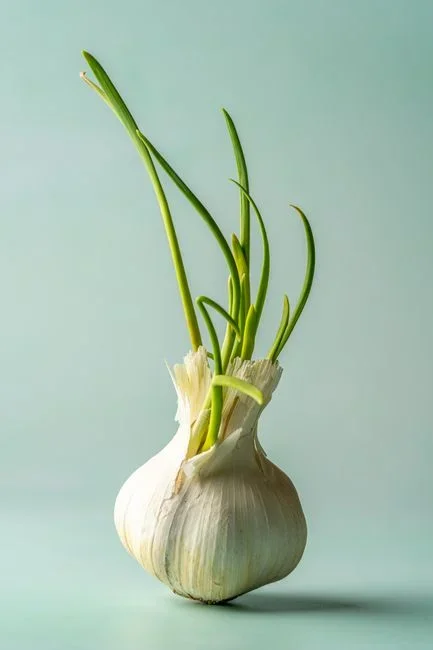
WHAT: Two kitchen leftovers actually pull their weight. Green onions (scallions) regrow real, edible shoots, and potatoes grow entire new plants from their "eyes."
HOW: For scallions, keep the rooted white base — about an inch with the little roots attached — and stand it upright in a glass with an inch of water on a sunny sill. New green shoots begin to emerge from the bulb in about a week or two, and you snip the green as you need it (Iowa State Extension). Potatoes work differently: a seed potato is cut into roughly 1¼-inch chunks, each with at least one eye — the little indentation that produces the new shoot — and each chunk is planted to become a whole new plant (University of Minnesota Extension).
WHY it works: A scallion's white base is a living bulb with stored energy and roots ready to push new leaves. A potato eye is a dormant bud — plant it with a little flesh for fuel and it wakes up into a full plant, which is exactly how potatoes have always been propagated.
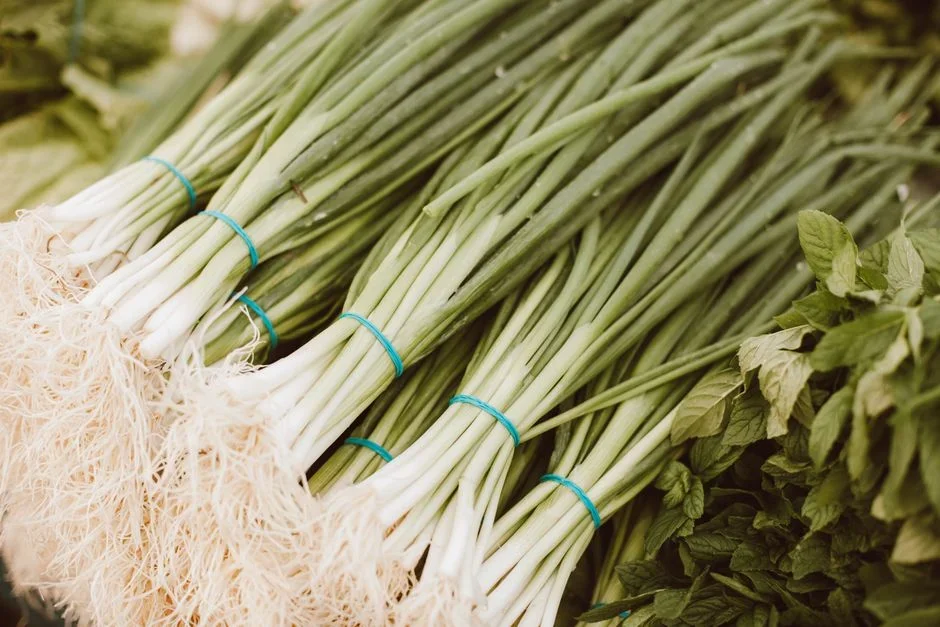
LIMIT: The scallion win has a ceiling. Those same bulbs will produce shoots for only a few months before depleting all their reserves — it is not the infinite fountain the captions promise (Iowa State Extension). And do not plant the potatoes from your pantry. Grocery-store eating potatoes are often sprayed with sprout inhibitors and can carry disease; buy certified "seed potatoes" instead (University of Minnesota Extension).
Tier B — Scraps that regrow only a little (pretty, not payoff)
WHAT: This is where "I felt lied to" lives. Celery, lettuce, and bok choy will sprout a small flush of tender inner leaves from the base. The tops of carrots, beets, and turnips will sprout feathery greens. None of them rebuilds the thing you actually bought.
HOW: Set the cut base (the bottom inch or two) in a shallow dish of water in bright light. Within several days to a couple of weeks, new leaves emerge from the center of the rosette that can be trimmed off and eaten (Iowa State Extension). Do the same with a carrot top and you get a fringe of parsley-like greens.
WHY it does so little: The base still has a crown of growing tissue that can push a few soft leaves, but there is no new celery stalk-head coming, and the root vegetables cannot regrow at all from the top. As Iowa State puts it plainly, using the root tops this way "will only give you leaves. You will not get a new beet or turnip root from this project" (Iowa State Extension). The edible root grew underground from the whole plant's energy; a severed top has no way to make another one.
LIMIT: Manage your expectations down to "garnish." An Illinois Extension writer running a home celery experiment reported the regrown celery was still "not large enough to harvest and eat" (Illinois Extension). Treat these as a fun way to garnish soup, not a way to skip the produce aisle. And keep it food-safe: change the water every one to three days, because standing water grows mold and fungus fast — the same food-safety instinct that matters when you're keeping perishables cold without refrigeration. This is short-term novelty, not a reliable food source.

Tier C — The real "plant once, eat for years" crops (not scraps)
WHAT: The genuine plant-once payoff comes from true perennials you buy and plant on purpose — asparagus, rhubarb, and sorrel. None of these comes from a kitchen scrap. You plant crowns or roots (or seedlings) once, and they return every spring for a decade or more.
HOW & WHY they last: These plants keep a living crown or root system in the ground that stores energy all winter and re-sprouts each spring, so a single planting keeps producing for years:
- Asparagus is the marathon champion. It is not uncommon for an asparagus planting to last 15 or more years (Illinois Extension). You plant dormant crowns in spring and they send up spears for decades.
- Rhubarb is nearly as durable. With good care the plants can live fifteen or more years, giving you tart stalks every spring (University of Minnesota Extension).
- Sorrel is the easy-entry perennial: a hardy plant, tough into USDA Zone 3, that returns each year with bright, lemony leaves for salads and soups (University of Minnesota Extension).
LIMIT — the catch is patience. This is the part the "eat forever, starting today" videos always skip. The year you plant asparagus crowns, you should not harvest any spears at all — you let them grow into ferns that feed the roots. Iowa State is blunt: no spears should be harvested during the first growing season, and even the second season allows only a three-to-four-week window (Iowa State Extension). Rhubarb asks the same restraint: wait until the second season to harvest, or the third if you started from seed (University of Minnesota Extension). You trade a year or two of no harvest for 15-plus years of food.
Safety, not superfood. Rhubarb leaves are toxic — only the stalks are edible, so trim and discard the leaf blades the moment you harvest (University of Minnesota Extension). Sorrel is high in oxalic acid; enjoy it in moderation and go easy if you are prone to kidney stones, gout, or related conditions — check with your doctor if that is you (University of Minnesota Extension). Sorrel is also shorter-lived than rhubarb and benefits from being divided periodically to keep it vigorous.
The honest verdict: what to do this weekend
Match the project to what you actually want, and you will never feel scammed:
- If you want a fun, nearly free garnish: stand a couple of scallion bases and some herb cuttings in water on a sunny sill. You will have snippable green in a week or two, and you have spent nothing. Just remember to replace the bulbs when they quit after a few months.
- If you want to grow real food from a scrap: potatoes from certified seed potatoes are the honest winner — a chunk with an eye becomes a whole plant.
- If you want the true "plant once, harvest for years" dream: put in asparagus or rhubarb crowns, or a sorrel plant, and accept the one-to-two-year wait. That is where the multi-year payoff actually comes from — not from the celery butt on the windowsill.
Because timing, hardiness, and lifespans shift with your climate, your best free resource is your local university extension service. They will give you zone-specific planting dates and confirm the rhubarb-leaf and sorrel-oxalate cautions for your area. If you like this myth-versus-reality approach, our guide to home hacks that actually work rounds up more of these honest breakdowns. And when it is time to feed those beds, be skeptical of the viral shortcuts — many popular garden boosters are fertilizer myths that do nothing for your plants.
Common mistakes
- Expecting scallions to regrow forever — the same bulbs quit after a few months once their reserves run out.
- Saving a carrot or beet top and waiting for a new root that will never come — you only ever get leaves.
- Expecting a whole new head of celery or lettuce from the base instead of a small flush of soft inner leaves that may never reach harvestable size.
- Planting grocery-store potatoes — sprout inhibitors and disease make them a poor bet; use certified seed potatoes.
- Harvesting asparagus or rhubarb in year one and starving the young crowns before they establish.
- Eating rhubarb leaves (toxic) or treating high-oxalate sorrel as an all-you-can-eat superfood.
FAQ
Can I really never buy green onions again if I regrow them?
No. Regrowing scallions in water is real and quick — new shoots in a week or two — but the same bulbs will only push shoots for a few months before depleting their reserves and stopping (Iowa State Extension). It is a nice supplement, not a permanent supply.
Why does my regrown celery or lettuce stay so small?
Because the base can only push a small flush of tender inner leaves — there is no new stalk-head or full head coming. One Illinois Extension trial found the regrown celery was still not large enough to harvest and eat (Illinois Extension). Treat it as garnish and change the water every one to three days to avoid mold.
Does regrowing scraps actually save real grocery money?
Barely. Scrap regrowth is a low-cost novelty and a garnish supply, not a grocery replacement. The genuine long-term food payoff comes from perennials you plant deliberately — asparagus, rhubarb, sorrel — which reward a single planting for many years.
What is the fastest way to a real long-term harvest?
Plant perennial crowns now and be patient. Asparagus and rhubarb both need you to skip harvesting the first year so the roots establish (Illinois Extension; University of Minnesota Extension), then they produce for 15-plus years. That wait is the whole secret the viral videos leave out.
The takeaway: regrow scallions and herbs for a fun free garnish, grow potatoes from real seed potatoes if you want food from a "scrap," and plant asparagus, rhubarb, or sorrel — then wait a year or two — if you want the true plant-once, eat-for-years harvest. Spend less. Live more. — The Thrifty Almanac





0comments