

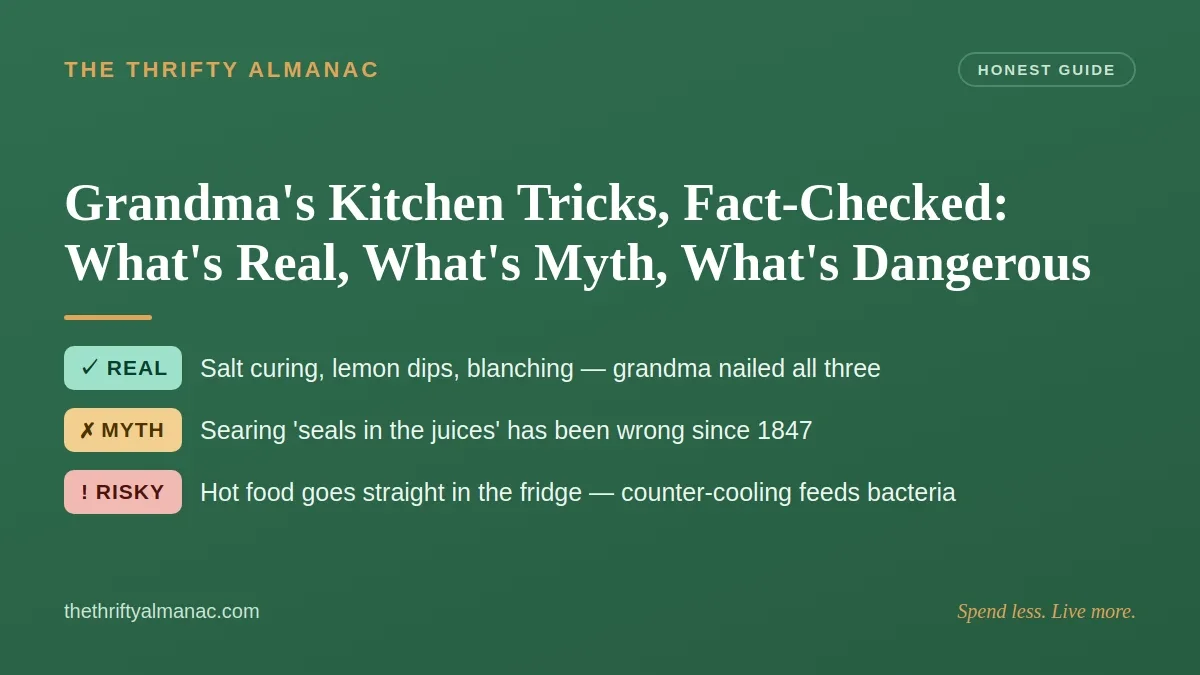
Somewhere in your feed, a video is promising "grandma kitchen tricks you'll wish you knew sooner." The problem: they blend three different things — old-kitchen science that modern researchers have confirmed, charming folklore that's false but harmless, and a few habits the USDA has spent years begging Americans to quit. The videos never tell you which is which.
So we read the government fine print instead. We graded thirteen classic tricks against USDA, CDC, and university extension guidance, the same way we fact-checked Depression-era money habits. Three tiers: Grandma was right, harmless myth, and stop doing this. Every verdict links to the agency that did the work — no kitchen lab-tests from us.
The one rule that decides half the list: the 40–140 F Danger Zone
Bacteria that cause food poisoning multiply fastest between 40 F and 140 F — what USDA calls the Danger Zone — and in that range they can double in as little as 20 minutes. Hence the recurring rule: never leave perishable food out of refrigeration for more than 2 hours, or 1 hour when the air is above 90 F.
Memorize 40 and 140 and the dangerous tier below explains itself. (No refrigeration at all — outage, camping? Our guide to keeping food cold without a fridge runs on the same two numbers.)
Tier S: Grandma was right, and the science backs her up
Salt curing really does preserve meat
The trick: pack meat in salt. The National Center for Home Food Preservation confirms the mechanism — curing uses salt (and sometimes sugar) to draw moisture out of meat, drying it by osmosis until harmful bacteria and mold can't grow.
The limit: the mechanism is sound, but the recipe matters — use a tested NCHFP or extension recipe, not an improvised salt rub.
A squeeze of lemon really does stop cut fruit from browning
Air exposure triggers enzymatic browning in cut apples and pears, and University of Illinois Extension confirms that acidic, vitamin-C-rich solutions slow the reaction. The recommended dip: about 1 teaspoon of ascorbic acid per 2 cups of water, or lemon juice diluted with water.
The limit: acid slows browning, it doesn't stop it — this buys a lunchbox afternoon, not a week.
Blanching vegetables before freezing really works
Grandma dunked green beans in boiling water before freezing — exactly right. University of Minnesota Extension explains that blanching slows or stops the enzymes that destroy flavor, color, and texture in the freezer. Boil briefly, then straight into ice water to stop the cooking.
The limit is the interesting part: the National Center for Home Food Preservation warns that under-blanching stimulates enzyme activity and is worse than not blanching at all. Look up the tested time for your vegetable and set a timer.
Harmless folklore: false, but nobody gets hurt
A cut onion does not soak up germs from the air
The story: a halved onion on the nightstand "absorbs" flu germs. McGill University's Office for Science and Society is blunt: bacteria don't get magically pulled toward a vegetable. Funny footnote: onions do contain sulphur compounds with antibacterial activity — exercised in your soup, not your bedroom.
Searing does not "seal in the juices"
This myth has a birth certificate: chemist Justus von Liebig proposed it in 1847, and it has been debunked repeatedly since — muscle fibers squeeze moisture out as they contract no matter how you cook. Keep searing anyway: the Maillard browning builds the crust and flavor. Grandma's method was right; her explanation was wrong.
Tier F: the habits the USDA wants you to stop
The trend videos never flag these, and each carries a real illness risk — Salmonella, Campylobacter, or botulism.
Letting hot food cool on the counter before refrigerating
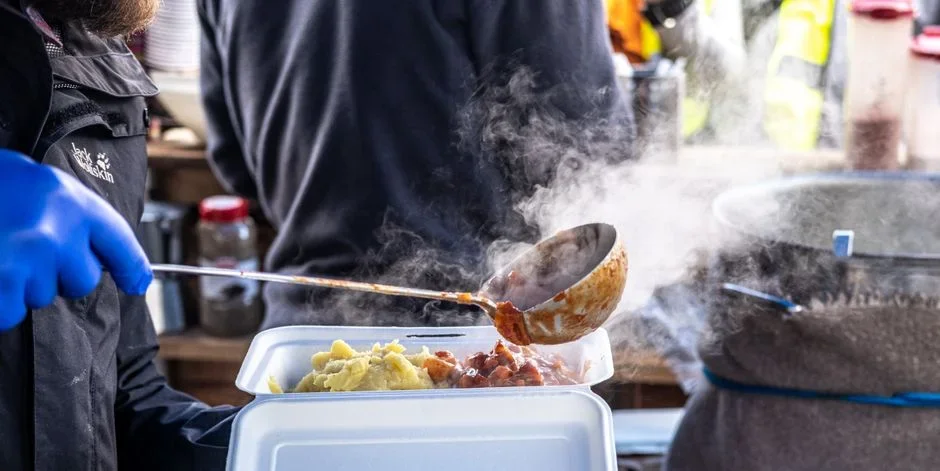
The most-shared grandma rule — "let it cool first" — is backwards. USDA FSIS states it flatly: "Hot food can be placed directly in the refrigerator," and leftovers must be refrigerated within 2 hours of cooking. The counter wait is exactly what parks dinner in the Danger Zone. Divide a big pot into shallow containers so it cools fast — a deep stockpot chills too slowly even inside the fridge.
Washing raw chicken "to clean it"
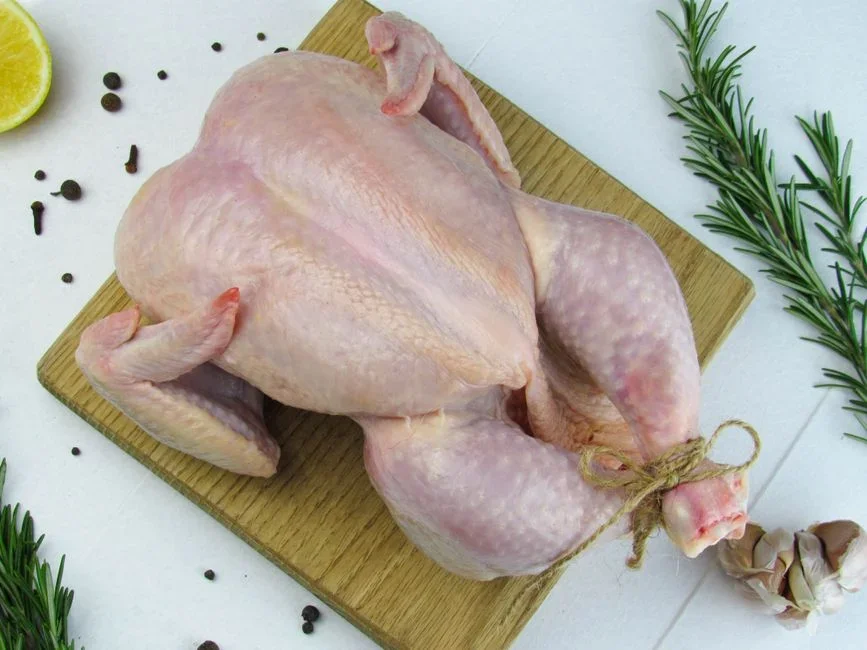
Rinsing doesn't clean the bird — it redecorates your kitchen with its bacteria. In a USDA observational study, 60% of people who washed raw poultry had bacteria in their sink afterward, 14% still had bacteria after cleaning the sink, and 26% transferred bacteria to their ready-to-eat salad. USDA's own conclusion: the best practice is not to wash poultry. Cooking to a safe internal temperature kills the bacteria; rinsing just relocates them.
Safe swap: pat dry with paper towels, toss them, wash your hands.
Thawing meat on the counter overnight
While the center is still frozen, the outer layer spends hours in the Danger Zone. USDA lists exactly three safe thawing methods: the refrigerator, a cold-water bath (fully submerged, water changed every 30 minutes), or the microwave — cook immediately after.
Water-bath canning green beans and other low-acid vegetables
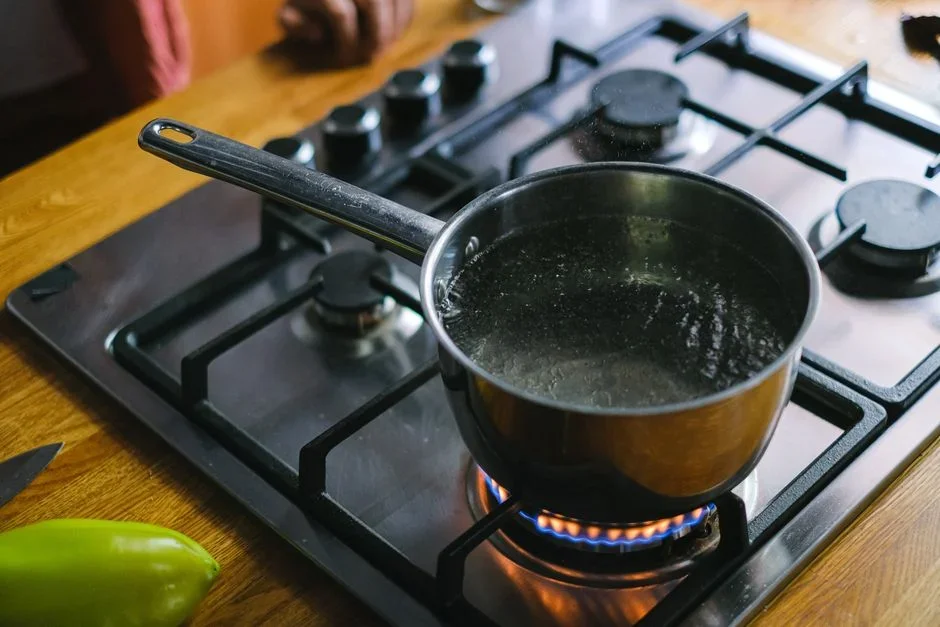
This one gets our strictest language. The CDC reports that home-canned vegetables are the most common cause of botulism outbreaks in the United States, and says outright: do not use a boiling-water canner for low-acid foods — it will not protect against botulism. Killing the spores takes roughly 240 F, a temperature only a pressure canner reaches. Decades of water-bathed green beans "always turning out fine" is survivorship, not safety.
Safe swap: water-bath high-acid foods only (most fruits, jams, tested pickle recipes); pressure-can every low-acid vegetable, meat, or stock. Never taste-test a doubtful jar — suspected botulism is a medical emergency; call 911 or Poison Control.
The smell test, and leftovers that live for a week
"If it smells fine, it's fine" fails on the biology: the bacteria that make you sick often produce no odor at all. USDA caps refrigerated leftovers at 3 to 4 days, or 3 to 4 months in the freezer. The smell test judges quality, never safety.
Safe swap: masking tape and a marker — date the container.
The "it depends" middle: butter, vinegar, and cooking wine
Butter on the counter — mostly fine, with fine print
Salted butter has a real defense: it's mostly fat, and the salt resists bacterial growth — hence the traditional covered butter dish in a cool kitchen. One honest caveat: no live .gov page stamps an exact day-count for counter butter, so we won't invent one. What is on record is the universal USDA rule — perishable foods that need refrigeration shouldn't sit out more than two hours, one hour above 90 F. Keep only a small amount of salted butter out, covered; refrigerate whipped, unsalted, or homemade butter — and all butter in a warm kitchen.
Vinegar cleans — it does not reliably disinfect
Grandma's vinegar bottle earns half a point. It's a genuinely good gentle cleaner and deodorizer that loosens dirt and grease. The same chemistry lets a bowl of it steam a crusted microwave clean. But University of Pittsburgh chemists put it plainly: "we just don't know that it's effective against bacteria and viruses," and the lab evidence is genuinely mixed. The fair verdict is "plausible cleaner, unreliable germ-killer" — after raw chicken touches a counter, reach for an EPA-registered disinfectant instead. (One more fake vinegar credential: the vinegar-and-baking-soda fizzing myth.)
"The alcohol all cooks off" — it never fully does
USDA retention data reported by Idaho State University shows a simmered or baked dish still holds about 40% of added alcohol after 15 minutes, 25% after an hour, and roughly 5% even after 2.5 hours — while a flambeed dish keeps about 75%. Iowa State Extension puts the overall range at 5 to 85 percent retained, depending on method and time. For most eaters that's trivia; for pregnancy, recovery, or kids' plates, it's a reason to cook without it.
The verdict at a glance
| Grandma trick | Verdict | What to do |
|---|---|---|
| Salt-cure meat to preserve it | REAL | Use a tested NCHFP or extension recipe |
| Lemon juice stops fruit browning | REAL | Diluted acid dip; works for hours, not days |
| Blanch vegetables before freezing | REAL | Follow tested times — under-blanching is worse than none |
| Cut onion absorbs germs from the air | MYTH (harmless) | Put the onion in the soup instead |
| Searing seals in the juices | MYTH (harmless) | Sear anyway — for flavor, then rest the meat |
| Cool hot food on the counter first | DANGEROUS | Shallow containers, straight into the fridge |
| Wash raw chicken before cooking | DANGEROUS | Don't rinse; pat dry, cook to temperature |
| Thaw meat on the counter overnight | DANGEROUS | Fridge, cold-water bath, or microwave-then-cook |
| Water-bath can green beans | DANGEROUS | Pressure-can all low-acid foods |
| Smell test / week-old leftovers | DANGEROUS | Date the container; 3–4 day fridge cap |
| Butter lives on the counter | IT DEPENDS | Salted only, covered, cool kitchen, small amounts |
| Vinegar disinfects the kitchen | IT DEPENDS | Clean with vinegar; disinfect with an EPA-registered product |
| Alcohol cooks off completely | IT DEPENDS | Assume some remains; skip it for pregnancy and kids |
Scope note: all figures are U.S. guidance (USDA FSIS, CDC, and university extensions), in Fahrenheit; readers elsewhere should check their national food-safety agency. If your household includes anyone pregnant, immunocompromised, very young, or elderly, follow the strictest reading here.
Common mistakes
Patterns that trip people up even after knowing the verdicts: waiting for soup to "cool down a bit" and losing track of the 2-hour clock; giving chicken "just a quick rinse" out of habit; trusting a sniff over a date label; water-bath canning low-acid vegetables because the family jars were "always fine"; and wiping a raw-chicken counter with vinegar and calling it sanitized. The homemade cleaners that truly disinfect are a shorter list than most people assume. Each feels reasonable in the moment — that's why the videos never catch them.
FAQ
Can I put hot soup straight into the refrigerator?
Yes. USDA FSIS says hot food can be placed directly in the refrigerator — divide it into shallow containers and get it in within 2 hours of cooking.
Should I wash raw chicken before cooking it?
No. In USDA's study, washing poultry left bacteria in 60% of sinks and moved it to 26% of ready-to-eat salads. Cooking to a safe internal temperature does the germ-killing.
How long do leftovers actually last in the fridge?
USDA's cap is 3 to 4 days refrigerated, or 3 to 4 months frozen. Smell is not a safety test — illness-causing bacteria often have no odor.
Does searing meat lock in the juices?
No — the idea dates to 1847 and has been repeatedly debunked. Sear for the browned crust; rest the meat to keep it juicy.
Can I can green beans in a boiling-water bath like Grandma did?
No. Green beans are low-acid, and the CDC says a boiling-water canner will not protect against botulism — only a pressure canner reaches the roughly 240 F needed to destroy the spores.
The takeaway: keep grandma's salt, lemon, and blanching pot — and retire the counter-cooling, the chicken rinse, and the water-bath green beans, because the USDA fine print is on her side only two-thirds of the time. Spend less. Live more. — The Thrifty Almanac






0comments