

The video always plays out the same way: a "secret" spoonful of Epsom salt or borax goes into the soil under a tomato plant, the camera cuts to branches sagging with fruit, and the narrator claims fertilizer companies buried this trick decades ago. One problem: the public university research record says the trick doesn't work — and one version of it can genuinely wreck your garden.
Here's the honest tier list — what's real, what's a myth, and what's dangerous — every claim tied to Extension scientists with nothing to sell you.
"Fertilizer companies buried this trick" — who's actually telling the truth
Start with the conspiracy — it collapses in one sentence: Epsom salt, borax, banana peels, and coffee grounds are among the cheapest, most widely stocked items in any store. Nobody buried them. If a box of laundry booster reliably doubled tomato harvests, a fertilizer company would already be selling it with a tomato on the label.
Now look at who says the tricks don't hold up: horticulturists at public land-grant universities, whose research is taxpayer-funded and free to read. Washington State University horticulturist Linda Chalker-Scott sets the two-question standard every garden chemical should pass — is it necessary, and can it cause damage? — and calls it "irresponsible" to advise gardeners to apply Epsom salts, or any chemical, without regard to soil conditions, plant needs, and environmental health.
Run the hacks through those two questions and the list sorts itself out.
| Hack | Verdict | The short version |
|---|---|---|
| Soil test, then fertilize what's missing | REAL | The only way to know what your soil actually needs |
| Compost and organic matter | REAL | Builds soil that holds nutrients and water |
| Steady watering + mulch for blossom end rot | REAL | Blossom end rot is a water problem, not a fertilizer problem |
| Banana peels, coffee grounds, eggshells | MYTH-LITE | Fine compost ingredients; too slow to boost fruit this season |
| Epsom salt on tomatoes and peppers | MYTH | Only helps a lab-confirmed magnesium deficiency — and worsens blossom end rot |
| Borax as a fruit booster | DANGER | The gap between nutrient and toxin is tiny; never near beans or peas |
MYTH: Epsom salt makes tomatoes and peppers "explode" with fruit
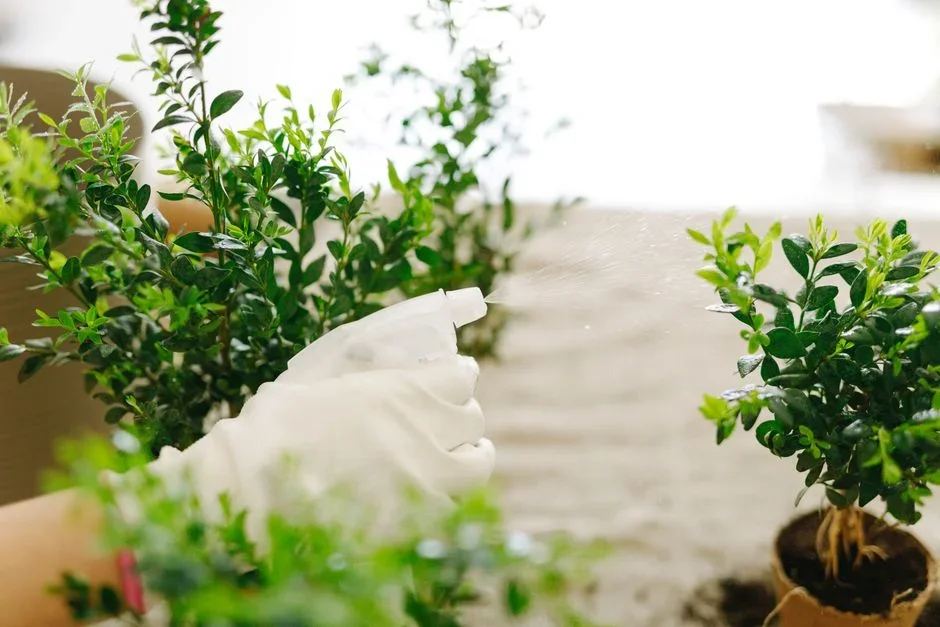
What it is: Epsom salt is magnesium sulfate — magnesium and sulfur, nothing else. No nitrogen, no potassium, and, critically, no calcium.
What the videos claim: a spoonful or two around your tomatoes and peppers means more blooms, more fruit, and no blossom end rot.
What the record shows: the blossom end rot claim isn't just wrong — it's backwards. Blossom end rot is a calcium problem, and NDSU Extension puts it bluntly: "Epsom salt doesn't stop blossom end rot—it leads to more of it." Magnesium and calcium ions compete for uptake at the roots, so the more magnesium you pour on, the less calcium your plant absorbs.
The fruit-boosting claim fares no better. Chalker-Scott's review of the Epsom salt literature found the science applies only to intensive crop production on soils already documented as magnesium-deficient. On tomatoes specifically, she found just two reports from over 60 years ago: a foliar Epsom spray relieved the deficiency on magnesium-starved soil, but "no effect on yield was reported."
The honest limit: Epsom salt has one legitimate use — correcting a magnesium deficiency confirmed by a lab soil test. Clemson Extension notes that most garden soils, especially those amended with organic matter, already hold plenty of magnesium, and a soil test is the only way to know if yours doesn't. If the test says deficient, Epsom salt fixes that — but it still isn't a fruit machine.
The downsides nobody mentions: Clemson warns that overapplied Epsom salt builds up in the root zone and blocks water uptake, leaving plants dark and stunted. The excess doesn't stay put, either — WSU notes it leaches away and "will end up somewhere else—often as a pollutant" — and sprayed too strong on leaves it causes leaf scorch.
DANGER: Borax is the one hack that can actually kill your plants
Here's the twist: the borax hack is built on a true fact. Boron really is an essential micronutrient. The videos just leave out the part that matters — the dose.
Why it's dangerous: the window between "enough boron" and "toxic boron" is razor-thin. As a rough illustration — the exact numbers shift by crop, soil, and region — University of Delaware Extension puts deficiency at about 1 ppm and toxicity at about 5 ppm of available soil boron. Michigan State University Extension describes the same knife's edge from the plant side: leaf tissue above 200 ppm boron is "excessive and potentially toxic." That's not a margin you can hit with a kitchen spoon and a hunch.
This isn't hypothetical. MSU reports that most real-world boron toxicity comes from "human error in boron fertilizer application" — someone applying too high a rate. "Two spoons of borax," measured by eye from a laundry box, is precisely that error.
The absolute no-go: beans and peas are among the most boron-sensitive vegetables. MSU says boron "should not be applied, soil or foliar, to sensitive crops such as beans and peas", and Delaware adds it should never go in snap bean starter fertilizer. A video telling you to feed borax to a mixed bed is telling you to poison your legumes.
The honest limit: borax has real jobs — in the laundry room, where it's a fabric booster rather than the all-in-one detergent the DIY videos promise, and in carefully placed boric acid bait for roaches. In the garden the rule is simple: no soil test showing a boron deficiency, no borax.
MYTH-LITE: banana peels, coffee grounds, and eggshells aren't instant fertilizer
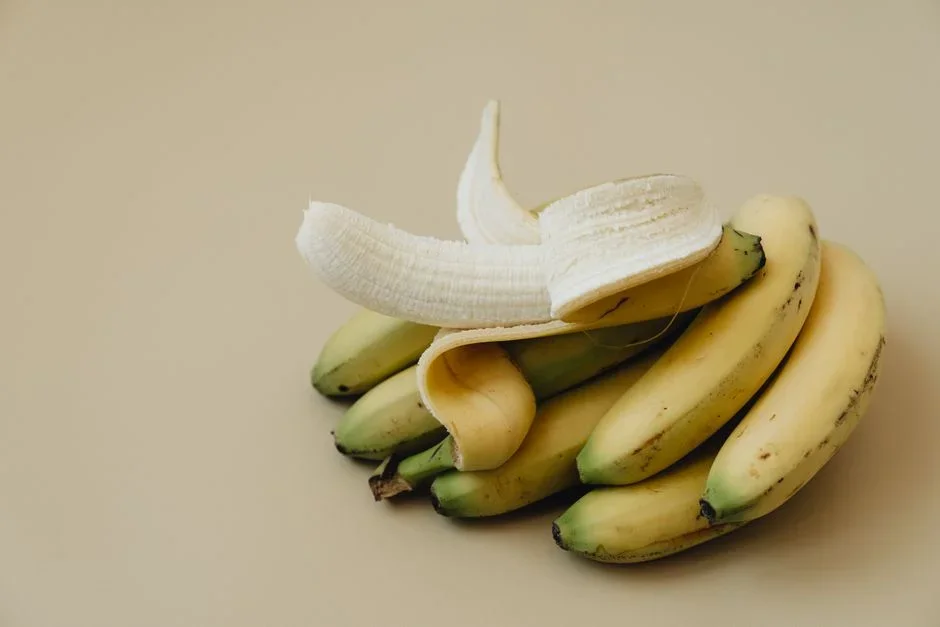
These three won't hurt anything. The myth is the speed: the videos sell them as this-season fruit boosters; the research says slow soil food.
Banana peels: UC Master Gardeners point out that as buried peels decay, they actually take up nitrogen from the surrounding soil — temporarily robbing plants of the nutrient they need most. The fix: compost peels first, then spread the finished compost.
Coffee grounds: the old claim is that grounds acidify soil for tomatoes and blueberries. University of Minnesota Extension says grounds feed healthy soil organisms but have not been shown to reliably lower pH. Good compost ingredient; not a soil chemistry tool.
Eggshells: the calcium is real but locked up. UC Master Gardeners note shell calcium is "very tightly bound in the shell matrix" and releases too slowly to help this season, and UMN confirms eggshells do not prevent blossom end rot — which usually isn't a soil-calcium shortage anyway. Crush them into the compost and move on.
Keep saving your scraps — just route them through the compost pile. It's the same honest split we found when we ranked which kitchen scraps actually regrow into food: the good ideas survive scrutiny; the viral versions don't.
REAL: what actually gets you more tomatoes and peppers
Get a soil test before you feed anything
Both Clemson and UMN land on the same first step: a lab soil test through your county Extension office. It tells you what's actually missing — usually less than you think. Skip the home strip kits; the lab report includes fertilizer recommendations written for your soil and region.
Build the soil with compost
Composted peels, grounds, and shells feed soil life and improve the water-holding structure fruiting vegetables depend on. Clemson notes that soils amended with organic matter rarely lack magnesium — compost quietly prevents the very deficiency the Epsom videos promise to cure.
Fertilize what the test says, nothing more
If the report shows a real gap, fill it with a balanced fertilizer matched to it. That's Chalker-Scott's test in action: necessary because the test proved it, safe because you're applying a measured rate instead of a rumor.
Fix blossom end rot with water, not additives
NDSU is direct about this: most soils already hold plenty of calcium, and blossom end rot happens when inconsistent watering interrupts the plant's ability to move that calcium into the fruit. The cure is steady moisture and mulch. A drip line on a timer works; so does burying an olla beside your tomatoes to keep moisture even for days.
So why does the "buried trick" story keep spreading?
Because it's a satisfying story: you're the insider, the video is the whistleblower, and a faceless industry is the villain. The reality is duller. These ingredients are cheap and unpatentable, the Extension record is public, and nobody profits from telling you a soil test beats a spoonful of anything. The videos profit from views, not harvests — the same math that deflates the viral $12 gadget that supposedly pulls drinking water from thin air.
The myths also survive on coincidence. Once in a while somebody's soil really is magnesium-deficient, the Epsom salt greens up the leaves, and the before-and-after looks miraculous. That's not a buried secret — that's the documented exception, filmed without the soil test that would explain it.
Common mistakes
- Adding Epsom salt to fight blossom end rot. It makes the rot worse by blocking calcium uptake — fix the watering instead.
- Feeding borax to a vegetable bed without a soil test. The nutrient-to-toxin window is tiny, and beans and peas can't tolerate added boron at all.
- Burying fresh banana peels next to plants. Decaying peels borrow nitrogen from your soil before they give anything back. Compost first.
- Counting on coffee grounds to acidify soil. The pH effect hasn't held up in research; treat grounds as compost, not chemistry.
- Skipping the soil test because hacks feel cheaper. An Extension lab test costs less than a season of guessing.
FAQ
Should I ever use Epsom salt on my tomatoes?
Only if a lab soil test shows a magnesium deficiency — uncommon in compost-built garden soil. Even in the old deficiency studies WSU reviewed, the spray fixed the deficiency but produced no reported yield increase.
Is borax the same boric acid I use for roaches?
They're closely related boron compounds — exactly why the roach trick works and the garden trick backfires. Boron is potent in tiny amounts; keep it out of vegetable beds unless a soil test specifically calls for it.
What actually cures blossom end rot?
Consistent soil moisture — deep, regular watering plus mulch. The rot signals a water-transport problem, not a soil shortage, so calcium sprays, eggshells, and Epsom salt all miss the target.
Where do I get a real soil test?
Your county Extension office or state land-grant university lab. You mail in a sample bag; the report tells you your pH, what's deficient, and what to apply.
The takeaway: nobody buried a cheap tomato miracle — a soil test, compost, and steady watering will outgrow every spoonful of Epsom salt and borax on the internet. Spend less. Live more. — The Thrifty Almanac



0comments