

You've seen the videos: a British or Amish "freezer trick" that supposedly makes one grocery haul last twice as long. The good news is the freezer genuinely does stretch your shopping and slash food waste. The less exciting news is that there's no secret. The payoff comes from a handful of boring fundamentals — the right temperature, blanching, labeling, safe thawing — plus knowing which viral "rules" are flat-out wrong and which cautions can actually make you sick.
So let's do what The Thrifty Almanac does best: sort the folklore into what's REAL, what's a MYTH, and what's genuinely DANGEROUS. One thing up front — nobody can point to a source for the "makes one shop last 2x longer" figure. It's marketing, not measurement. The mechanism is real (less waste, longer shelf life); the multiplier is made up. Judge everything below on the mechanism.
The honest tier list at a glance
| Claim | Verdict | The honest version |
|---|---|---|
| Storing food at 0°F keeps it safe basically forever | REAL | True at a constant 0°F; only quality fades over time |
| Blanch vegetables before freezing | REAL | Stops enzymes that wreck color, flavor, texture |
| Label + date + rotate (FIFO) | REAL | The actual money-saving habit — stops forgotten food |
| Freezer burn makes food unsafe | MYTH | Quality issue only; trim the dry spots |
| You can never refreeze thawed food | MYTH | You can — if it stayed cold in the fridge |
| Freezing kills the bacteria | MYTH | It only makes them dormant; they revive |
| Thaw on the counter overnight | DANGEROUS | Surface sits in the bacteria Danger Zone |
| Freeze anything, even cans and bottles | DANGEROUS | Liquids expand and burst the container |
REAL: the habits that actually stretch a grocery run
What: The single biggest win is temperature. Food held constantly at 0°F (−18°C) stays safe indefinitely — freezing inactivates the bacteria, yeasts, and molds already in the food, so spoilage is effectively paused. That's what lets you buy meat on sale, portion it, and pull it out weeks later.
How: Set the freezer to 0°F and freeze the things people forget you can. Pasteurized milk freezes fine (it may separate — just stir after thawing), and hard cheese freezes too (it turns crumbly, so save it for cooking). Butter, bread, and portioned leftovers all freeze for months. If your fridge dies mid-week, the same thinking applies to keeping perishables cold when the power's out.
Why: The real "trick" isn't exotic — it's a label and a marker. Dating packages and using FIFO (First In, First Out) is what extension guidance calls the habit that stops forgotten food from being thrown away. A freezer full of unlabeled mystery bags is just a cold graveyard. Pair it with smart shelf-and-storage habits and you stop buying food you already own.
Limit: Any "keeps for months" window you see is a quality window — peak flavor and texture — not a safety deadline. At a constant 0°F the food stays safe well past them. Don't toss a perfectly good bag of soup because a chart says its "best" window closed.
REAL: blanch vegetables before you freeze them
What: Raw vegetables carry active enzymes that keep working even in the freezer, slowly ruining color, flavor, and texture. A quick blanch — a short boil or steam followed by an ice-water bath — halts that. According to the University of Minnesota Extension, blanching stops the enzyme action that causes loss of flavor, color, and texture, and it also brightens color and helps retain vitamins.
How: Boil the vegetables briefly, plunge them into ice water to stop the cooking, drain well, then freeze in portions. That's the whole method for most vegetables.
Why: Skipping this step is the most common reason home-frozen vegetables come out gray, tough, and off-tasting. It's the difference between green beans you'll actually eat and a freezer-burned brick you'll eventually throw out — which defeats the entire money-saving purpose.
Limit: Timing matters, and here's the counterintuitive part: University of Minnesota Extension notes that underblanching — too short a dip — can be worse than not blanching at all, because it wakes the enzymes up instead of stopping them. Use a trusted per-vegetable time chart rather than eyeballing it. If you're growing your own produce, this pairs naturally with learning which vegetables you can regrow from scraps for a steady, cheap supply to freeze.
MYTH: three scary freezer rules that aren't true
Myth 1 — "Freezer burn means it's unsafe." False. Freezer burn is only a quality problem — dry, grayish, leathery patches from air exposure. The food is still safe; just cut the affected spots away before or after cooking.
Myth 2 — "You can never refreeze thawed food." False, with one firm condition. Food that thawed in the refrigerator and still has ice crystals or is 40°F or below can be safely refrozen. The texture may suffer, but it's safe. This only applies to food that stayed cold in the fridge — never food left out on the counter.
Myth 3 — "Freezing kills the bacteria." False. Freezing only makes microbes dormant. Once the food warms up, they wake and multiply, so freezing is no substitute for safe handling and proper cooking. You still have to treat thawed food like fresh food.
DANGEROUS: freezer "tricks" that can make you sick
This is where viral advice crosses from wasteful into hazardous. Take these as authority guidance, not our opinion.
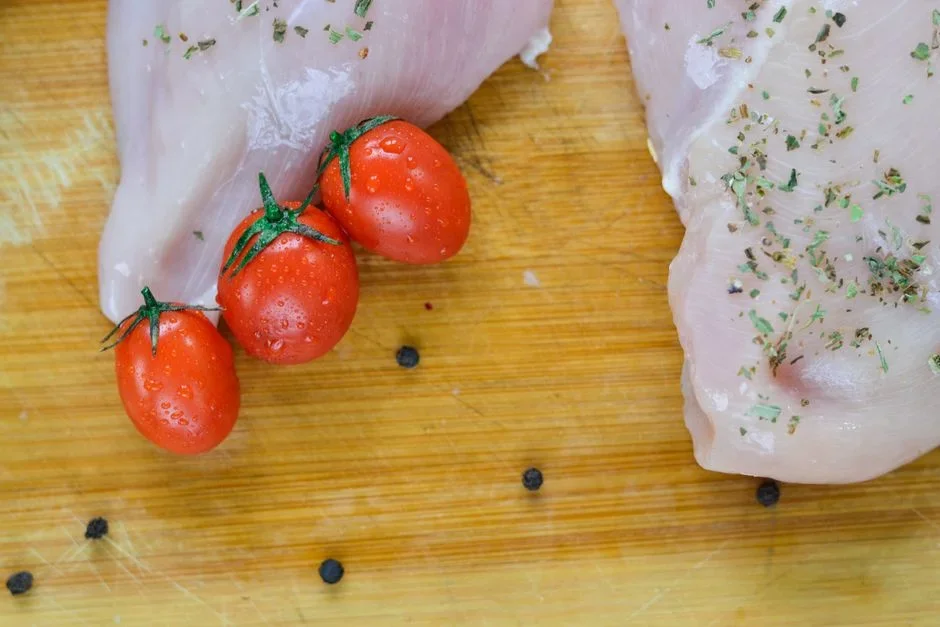
Never thaw on the counter. There are only three safe ways to thaw: in the refrigerator, in cold water (in a leak-proof bag, changing the water every 30 minutes), or in the microwave (cook immediately after). Perishable food should never sit at room temperature more than 2 hours. On the counter, the outer layer climbs into the Danger Zone (40–140°F) where bacteria multiply fast, while the center is still solid ice.
Never refreeze counter-thawed food. The refreeze rule from the myth section is real, but it's conditional. If food thawed at room temperature, it was in the Danger Zone — do not refreeze it.
Don't freeze sealed cans or full bottles. Canned foods aren't recommended for freezing; Oregon State Extension explains that water-based liquids expand as they freeze and can burst cans and regular glass jars. Freeze the contents in a freezer-safe container instead, and use only wide-mouth jars tempered for freezing. If canned goods freeze by accident and the seams have rusted or burst, discard them — wrap and dispose so people and pets can't reach them.
When the power goes out: the 48-hour rule
This is the scenario people frantically search mid-outage, so keep it simple. With the door kept shut, a full freezer holds a safe temperature for about 48 hours (about 24 hours if it's only half full). A refrigerator keeps food safe for only about 4 hours.
When power returns, frozen food may be refrozen if it still has ice crystals or is 40°F or below. Discard refrigerated perishables — meat, poultry, fish, eggs, leftovers — that stayed above 40°F for more than 2 hours. When in doubt, throw it out.
One honest caveat: those hour figures are rules of thumb that assume the door stays closed. Real hold time shifts with how full the freezer is, the room temperature, and the insulation — treat them as guidance, not a guarantee. A long outage is also a good argument for keeping part of the pantry preserved a way that needs no power at all, which is where drying food without a dehydrator earns its place. This kind of low-tech resilience is exactly the thinking behind old Depression-era money habits that quietly still work.
The honest freezer checklist
- Set the freezer to 0°F and leave it there.
- Blanch vegetables before freezing — and don't underblanch.
- Portion, label, and date everything; rotate FIFO.
- Thaw safely — fridge, cold water, or microwave. Never the counter.
- Know what not to freeze — no sealed cans, no full liquid bottles.
- Outage: keep the door shut (48h full / 24h half / 4h fridge); refreeze only if ice crystals or ≤40°F; when in doubt, throw it out.
Common mistakes
- Tossing freezer-burned food. It's safe — trim the dry spots and cook it.
- Thawing on the counter "just this once." The surface enters the Danger Zone long before the center thaws.
- Freezing raw vegetables without blanching. Enzymes keep degrading them; you'll toss them later.
- No labels. Unmarked bags become forgotten waste — the opposite of saving money.
- Refreezing anything that thawed. Only fridge-thawed, still-cold food qualifies.
- Freezing a full glass jar of soup or a can of beans. It expands and bursts.
FAQ
Does the freezer really make one grocery run last twice as long?
There's no authoritative source for the "2x" number — it's viral framing. What's real and documented is that freezing cuts waste and extends usable shelf life. The benefit is real; the specific multiplier isn't.
Is it safe to eat food that's been frozen for a year?
At a constant 0°F, yes — it stays safe indefinitely. The long-storage downside is quality (texture, flavor, freezer burn), not safety. Trim any dry spots and cook it.
Can I refreeze meat I took out this morning?
Only if it thawed in the fridge and still has ice crystals or is 40°F or below. If it sat on the counter or is warmer than that, don't refreeze it — cook it now or discard it.
How do I thaw quickly without the counter?
Use cold water: seal the food in a leak-proof bag and submerge it, changing the water every 30 minutes. The microwave also works if you cook the food immediately after.
When should I just throw it out?
Any time perishable food has been above 40°F for more than 2 hours, or you genuinely can't tell how long it was warm. For close calls with meat and poultry, "when in doubt, throw it out" beats a gamble — and the USDA hotline exists for exactly those judgment calls. These fundamentals slot right into the broader money-saving home hacks that keep a frugal kitchen running.
The takeaway: The freezer stretches your groceries through boring fundamentals — 0°F, blanch, label, thaw safely — not a secret trick. Spend less. Live more. — The Thrifty Almanac



0comments