

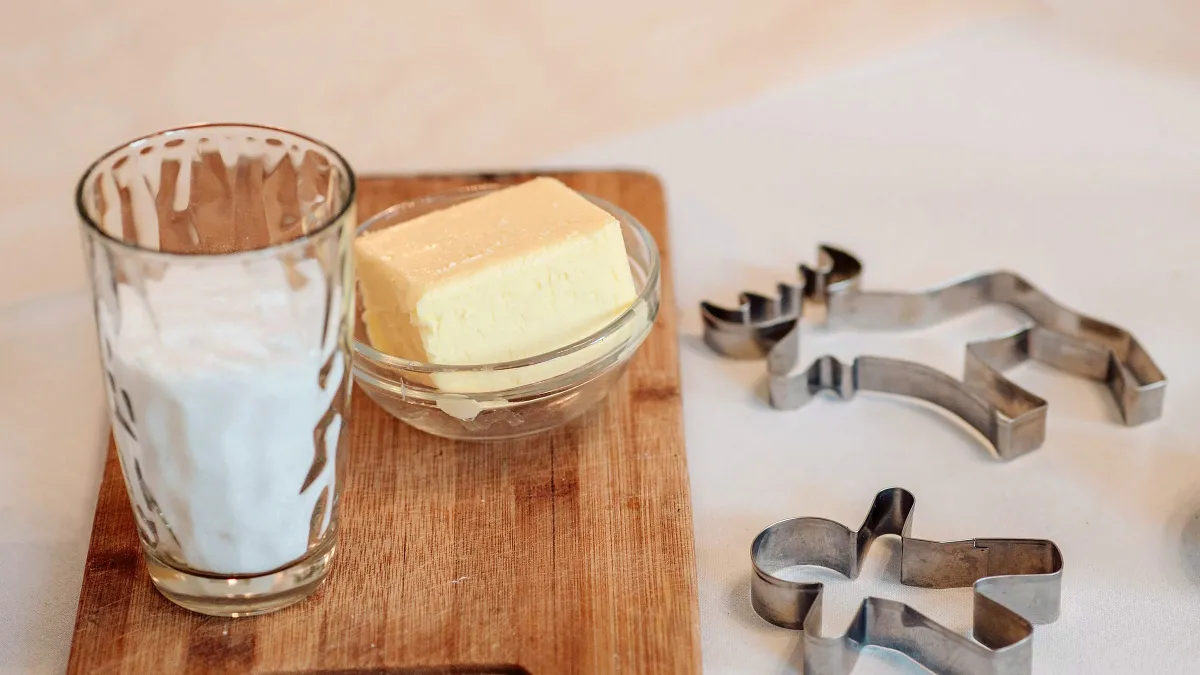
You see butter on sale the week before Thanksgiving and put a few extra boxes in the cart. Back home, the freezer already holds a box from last winter, still in its paper. Can you freeze butter for that long, and is the old box still fine for a pie crust?
Can you freeze butter, and how long does it last?
A box of butter in the freezer raises two questions: how long it stays good, and whether it stays safe. Yes, you can freeze butter: USDA's FoodKeeper data and the National Center for Home Food Preservation (NCHFP) both give 6 to 9 months in the freezer, and FoodKeeper counts that time from the date of purchase. The guide to making food last in the freezer uses the same figure.
Those months describe quality, not safety. The USDA Food Safety and Inspection Service (FSIS) says freezer storage "is for quality only" and that frozen foods remain safe indefinitely. NCHFP puts it the same way for its freezer chart, which assumes food is packaged correctly and kept at or below 0°F: after the listed times, food "should still be safe, just lower in quality."
Why butter makers say anywhere from 4 to 18 months
Check the brand on the box before you plan around a number, because butter makers give very different freezer times:
| Source | Freezer time | Salted vs unsalted |
|---|---|---|
| USDA FoodKeeper | 6–9 months | One figure |
| NCHFP | 6–9 months | One figure |
| Land O'Lakes | Up to 4 months | Both freeze well |
| Tillamook | Up to 4 months | Not stated |
| Challenge | 4 months; 12 if very fresh | Not stated |
| U.S. Dairy (2016) | 5 unsalted, 9 salted | Salted longer |
| Cabot | 6 unsalted, 12 salted | Salted longer |
| Organic Valley (2024) | Up to 1 year | Not stated |
| Kerrygold | Typically up to 18 months | Not stated |
Read these figures as quality limits. FSIS says freezer storage times are for quality only, and Land O'Lakes, Challenge and Kerrygold describe theirs in terms of taste, flavor and freshness. Most also come with conditions. Land O'Lakes counts its 4 months from purchase in its FAQ and ties them to the USE BY date in another article. Challenge says very fresh butter has been frozen successfully for up to 12 months at 20–30°F, warmer than the 0°F the USDA and NCHFP charts assume. Cabot says "often" and guarantees its butter only to the sell-by date, and Organic Valley's product pages say to use butter by the package date even when frozen.
The brands also disagree about salt. Cabot and U.S. Dairy give salted butter a longer freezer life. Land O'Lakes says "both salted and unsalted butter freeze very well" and gives one number. Organic Valley says salt is added "to increase its shelf life" but gives no separate freezer time. So if you have read that salted butter keeps 12 months frozen, that matches Cabot, not USDA.
This guide suggests using the time printed by the brand you bought, and 6 to 9 months when the box says nothing.
Is year-old (or 2-year-old) frozen butter safe to eat?
If the box sat in a freezer that stayed at 0°F the whole time, FSIS says it is safe: "Food stored constantly at 0 °F will always be safe. Only the quality suffers with lengthy freezer storage." A freezer that lost power, or a box that thawed and sat out, falls outside that statement.
Land O'Lakes says butter kept frozen longer than four months may begin to lose its fresh taste and pick up flavors and odors from the freezer. FSIS suggests checking the odor after thawing for any food, since some foods develop a rancid or off odor when frozen too long and should be discarded.
FSIS says freezer burn, the dry grayish-brown spots left when air reaches the surface of food, does not make food unsafe.
How to wrap butter so it doesn't taste like the freezer
Wrap butter tightly before it goes in, because it picks up smells. Clemson Extension says butter "absorbs odors from other foods rapidly." NCHFP says to wrap butter tightly in aluminum foil, transparent film or freezer paper, or to seal it in moisture-vapor resistant containers, with as little air in the package as possible.
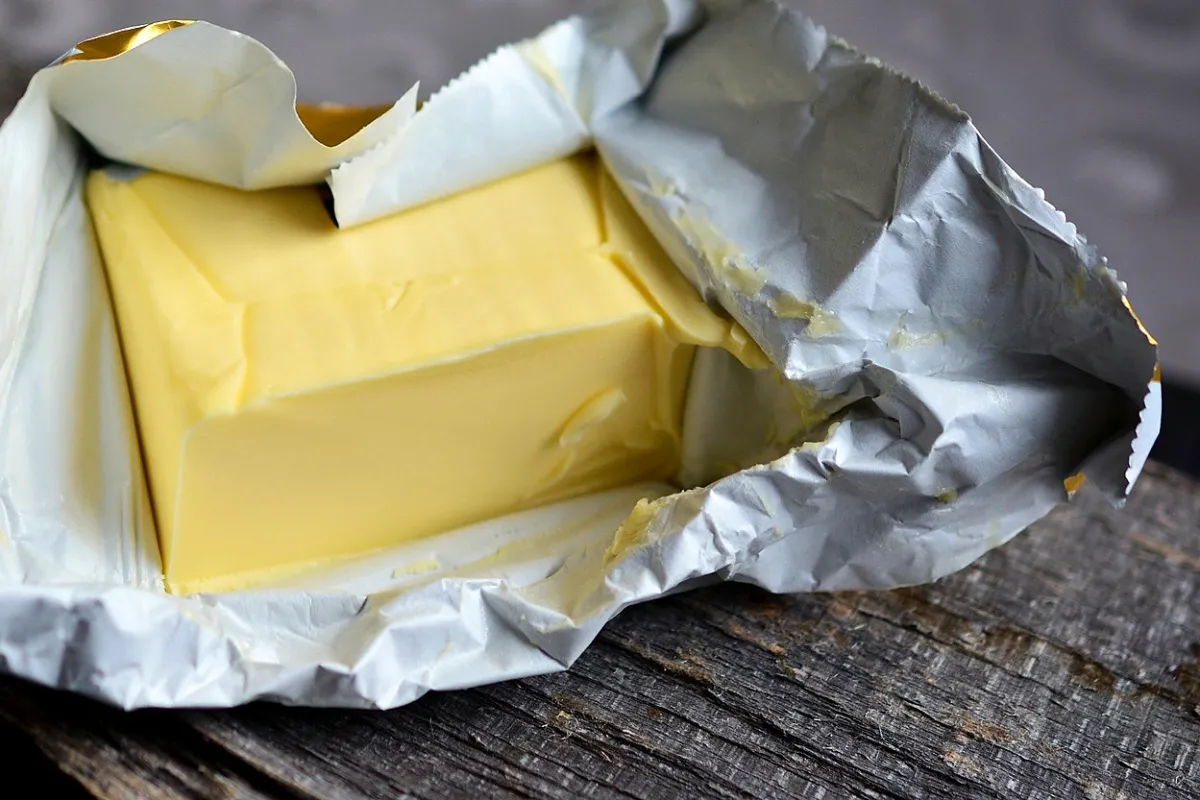
The brand instructions boil down to a few steps:
- Leave the butter in its original carton or wrapper, as Land O'Lakes and Tillamook suggest. Clemson says the carton can be overwrapped.
- Add a second layer. Land O'Lakes suggests a resealable freezer bag or foil; Cabot suggests heavy-duty foil or plastic freezer wrap, then a heavy-duty freezer bag.
- Label it. U.S. Dairy says to label the package and mark its sell-by date on it.
Clemson adds that one-pound blocks can be cut into smaller portions and repackaged before freezing.
Land O'Lakes says its spreads and oil blends cannot be frozen in their original packaging, because it is not freezer-grade and may crack, so move them to a freezer container.
How to thaw frozen butter for baking
Check whether your recipe wants cold or soft butter. For soft butter, start in the refrigerator. NCHFP says frozen butter thawed in the fridge "can be used as fresh," and Land O'Lakes says thawing there takes about 6 to 7 hours or overnight, depending on your refrigerator.
Land O'Lakes says to use butter within 30 days once it comes out of the freezer, and U.S. Dairy recommends using thawed butter as quickly as possible.
Recipes that want cold butter
Biscuits and pie crusts can use butter straight from the freezer. Land O'Lakes says to grate frozen butter on the large holes of a box grater and toss the shreds with the flour; cold butter creates steam as it melts in the oven, which helps form flaky layers. Challenge says small pieces of frozen butter make for an extremely tender, flaky pie crust.
Recipes that want softened butter
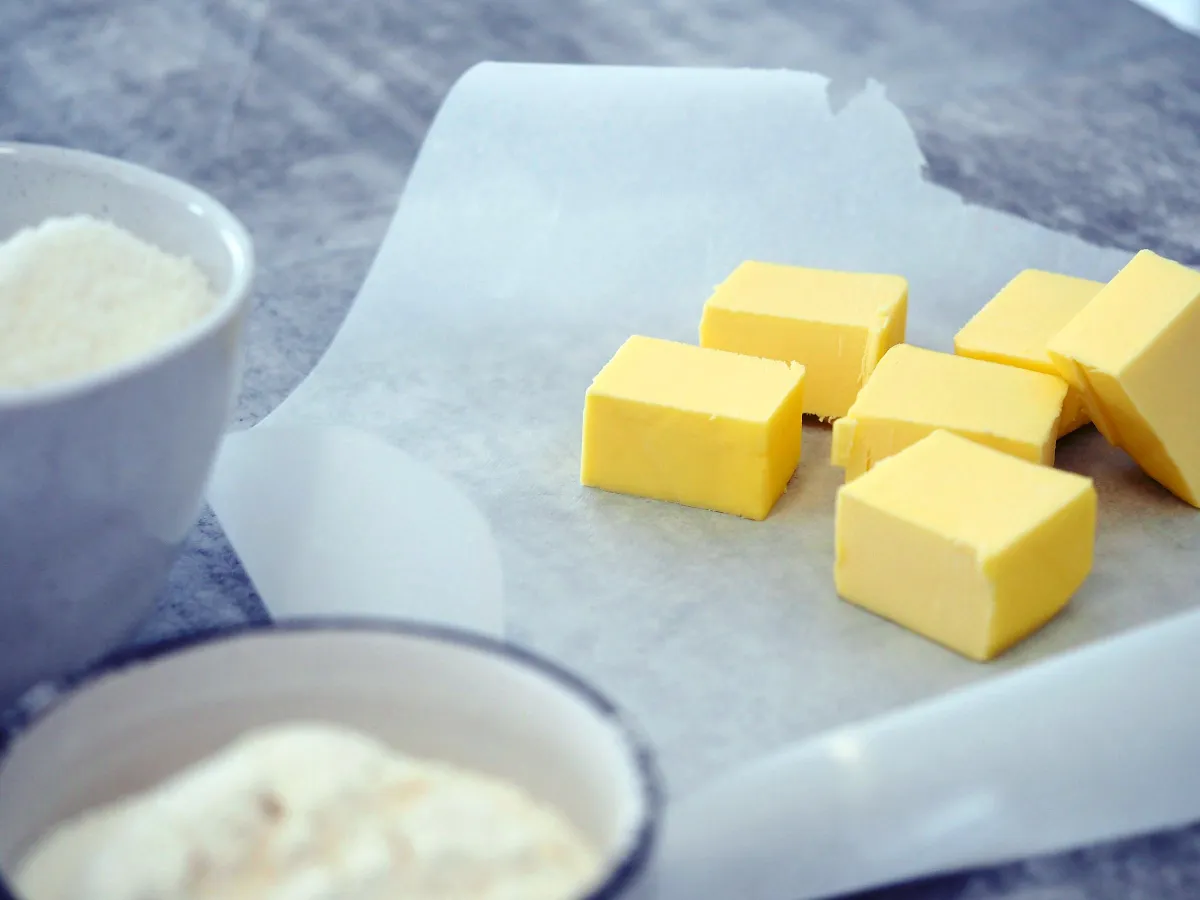
Recipes that start by creaming butter and sugar need softened butter. King Arthur Baking puts the ideal at 68°F to 72°F, when butter still holds its shape and a finger leaves an easy dent. By 80°F it is almost melted. At 94°F it turns liquid. Butter that is too soft makes a greasy mixture and heavy, soggy cakes, according to King Arthur.
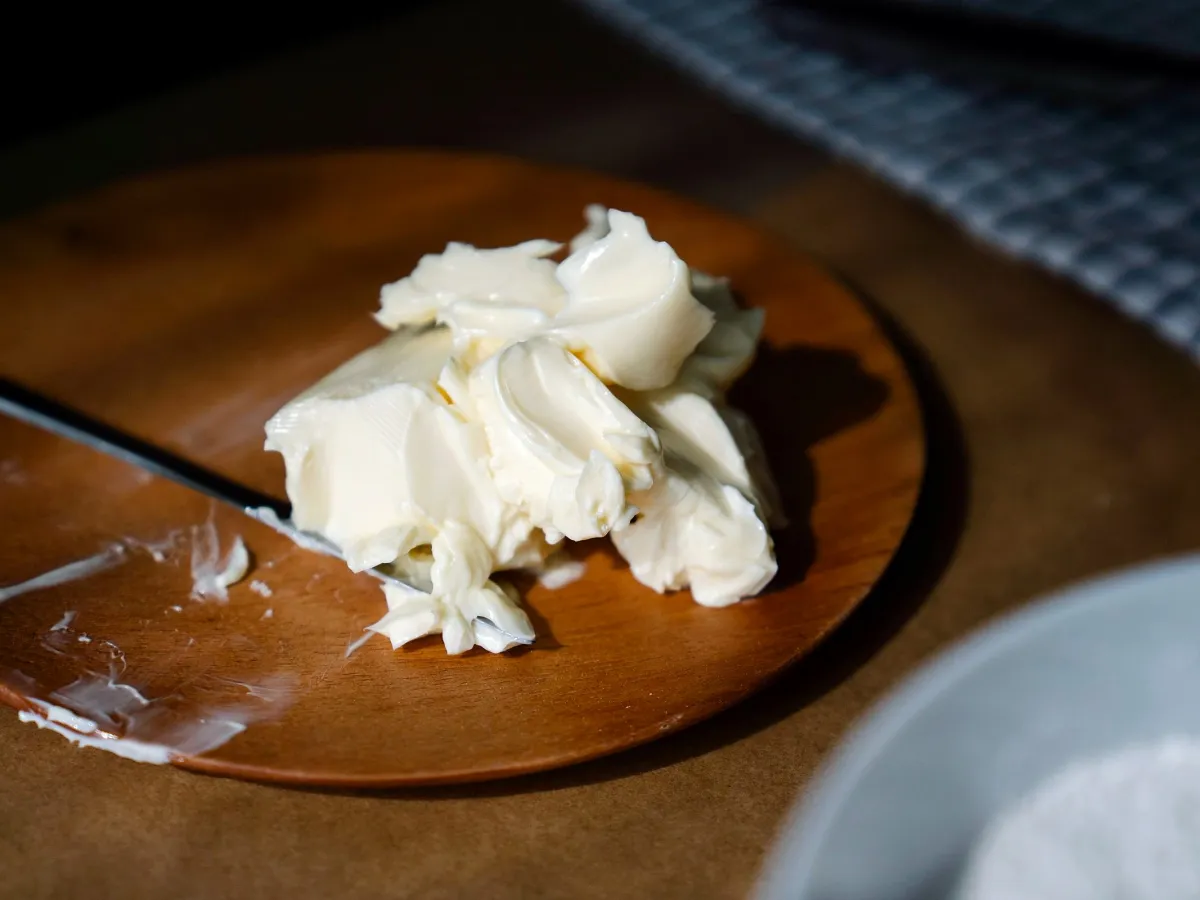
The sources disagree on the counter. Land O'Lakes says frozen butter can soften at room temperature, though it may take a couple of hours. It also says not to leave butter at room temperature for more than four hours. NCHFP's thawing advice for food in general is stricter: never thaw food at room temperature or in warm water, and thaw butter in the refrigerator. This guide suggests thawing in the fridge first, then letting the butter warm on the counter, well inside the four hours Land O'Lakes allows.
For butter that is fridge-cold, King Arthur suggests setting the wrapped stick in a bowl of barely warm (73°F) tap water for 10 to 15 minutes.
The microwave is a quality question. FSIS lists it among three safe ways to thaw food. Land O'Lakes does not recommend it for frozen butter because it will not defrost evenly and usually melts the butter, which then will not work in a recipe that calls for softened butter. Tillamook advises against melting frozen butter in the microwave without thawing it first.
Can you can butter at home?
Keep butter in the freezer rather than in jars on a shelf. Clemson Extension says "there are no science-based methods for home canning of cheeses, milk, butter or other dairy products," and that Clemson and NCHFP "do not recommend any process for canning these products."
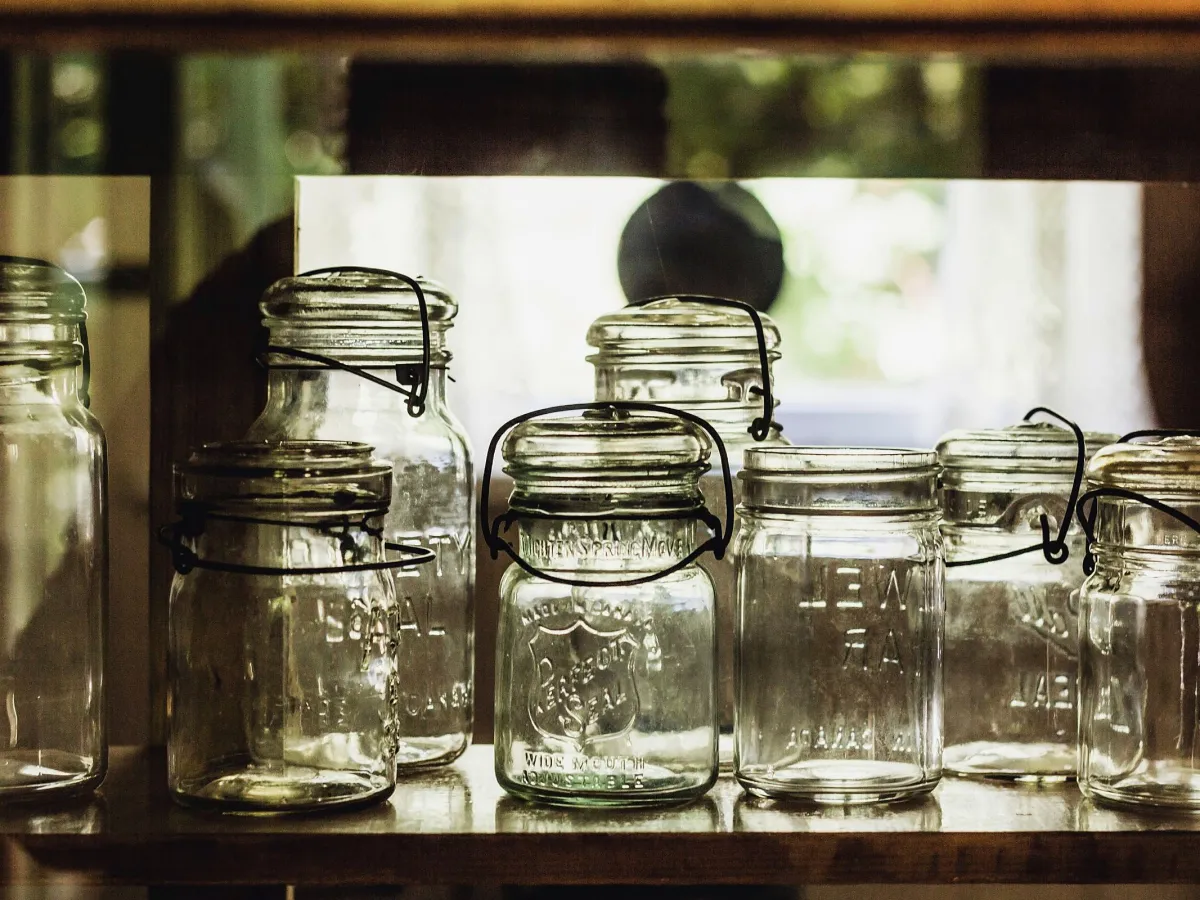
The reason is botulism. Clemson says butter, although mostly fat, is a low-acid food that can support the growth of C. botulinum and toxin formation in a sealed jar at room temperature. It also says the size of the botulism risk from such a high-fat product "is not clear," and that with no testing to validate the methods it does not recommend them. UC Master Food Preservers adds that online jar recipes have not been scientifically tested, and that fat can protect bacterial spores from heat.
Clemson Cooperative Extension also does not recommend keeping butter in jars at room temperature for long. This guide suggests the fridge or freezer for butter, not the shelf with the pantry staples in the guide to foods that never expire. Ghee is the exception that can sit in the pantry, because most of the water is cooked out; see how long ghee lasts after opening.
For foods that do have tested processes, see the guide to pressure canning vs water bath canning.
Safety note: Clemson Extension and NCHFP do not recommend any process for canning butter at home, because butter is a low-acid food that can support C. botulinum growth and toxin formation in a sealed jar at room temperature. Keep frozen butter at 0°F, thaw it in the refrigerator, and do not leave butter out for long: USDA's FoodKeeper says it may be left at room temperature for 1 to 2 days. Land O'Lakes and Kerrygold say no more than four hours.
Is stocking up on sale butter worth it?
Look at the price per pound before you fill the freezer. The BLS average price for stick butter in U.S. cities was $3.96 a pound in September 2026, down from $4.79 in September 2025.
November has not brought a jump. In the BLS series, November came in below October in each year from 2022 through 2024; October 2025 has no figure because of the 2025 lapse in appropriations. In 2024, for example, the BLS average went from $5.00 in September to $4.73 in December.
Advertised sale prices are a different measure. USDA's Dairy Market News reported a weighted average advertised price of $3.45 for a pound of butter in the Northeast in the week before its October 14, 2026 report. This guide suggests buying only what you will use within your brand's freezer time.
Quick verdict on the common claims
How the three common claims hold up against the sources:
| Claim | Verdict | Why |
|---|---|---|
| Freezing keeps butter good for months | REAL | USDA, NCHFP: 6–9 months |
| Frozen butter turns unsafe after a set time | MYTH | FSIS: safe at a constant 0°F |
| Canning butter at home in jars | RISKY | No tested method (Clemson, NCHFP) |
The MYTH row holds only for butter kept frozen the whole time, and quality still drops with age.
Sources and how we checked
We used USDA and university extension pages for storage times and canning safety, and the butter makers' own websites for brand freezer times and baking advice, all viewed on October 21, 2026. Land O'Lakes pages blocked automated access, so we read them through Wayback Machine snapshots taken between November 2025 and February 2026; their live text may differ. Clemson's dairy handling page dates from 2007 and gives a shorter refrigerator time than FoodKeeper; we used it only for wrapping and freezer advice, where both agree. Prices are BLS monthly national averages and one USDA report of advertised prices, not prices at a particular store. We found no agency source that gives salted and unsalted butter separate freezer times, and no brand page that addresses refreezing thawed butter.
- USDA FSIS: Freezing and Food Safety (updated August 9, 2024); FoodKeeper data, "Butter" entry (undated).
- National Center for Home Food Preservation, University of Georgia: Freezing Butter; How Long Can I Store Frozen Foods?; Packaging and Labeling Foods; Thawing and Preparing Foods for Serving (undated, adapted from So Easy to Preserve, 2014).
- Clemson Cooperative Extension (Home and Garden Information Center): Safe Handling of Milk and Dairy Products (revised March 8, 2007); Canning Controversies (April 30, 2018).
- UC Master Food Preservers of El Dorado County: Preserve It: (Not) Canning Dairy (PDF, 2025).
- U.S. Bureau of Labor Statistics: Average price, butter, stick, per pound, U.S. city average (APU0000FS1101), January 2022 to September 2026.
- USDA Agricultural Marketing Service: Dairy Market News, butter, East (October 14, 2026).
- Land O'Lakes: Can You Freeze Butter?; Butter FAQ; How Long Does Butter Last?; How to Soften Butter (undated).
- Other butter makers: Kerrygold USA FAQ; Tillamook butter FAQ; Challenge, Freezing Butter; Cabot, How to Freeze Cheese; Organic Valley, Can You Freeze Milk and Other Dairy Products? (September 5, 2024) and Unsalted Butter (all undated unless noted).
- U.S. Dairy (Dairy Management Inc.): Can You Freeze Butter? (July 11, 2016).
- King Arthur Baking: Why does butter temperature matter in pastry? (August 31, 2020); Creaming butter and sugar (April 27, 2015); Recipe Success Guide (undated).
Updated: October 26, 2026



0comments