

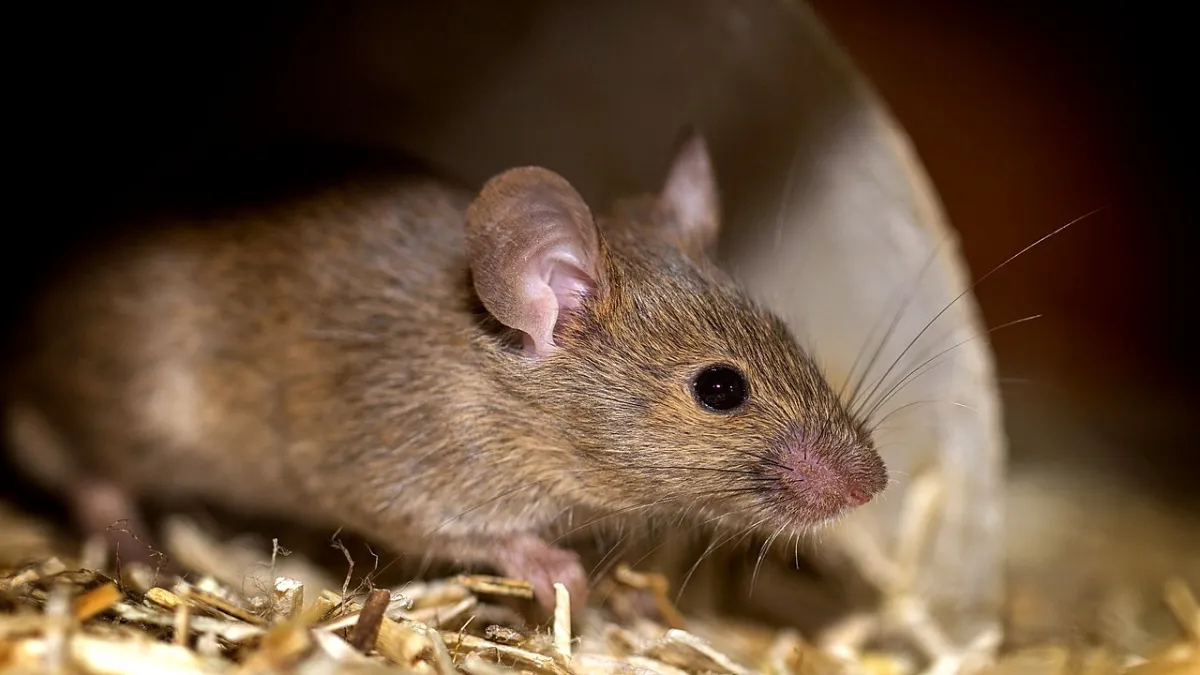
You plug a small white box into the kitchen outlet and its light comes on. The droppings behind the toaster keep turning up anyway. So do ultrasonic pest repellers work, or does the box just make a sound you cannot hear?
The boxes promise to drive off everything from mice to spiders. Federal regulators have questioned claims like that since the 1980s, and university entomologists have put the devices through lab and field trials.
Do ultrasonic pest repellers work?
In a store aisle, start with what extension services say. Store-bought ultrasonic repellers have not been shown to keep rodents or insects out of a home, though mice may avoid the area near a unit for a few days before returning. The University of Arizona Extension says commercially available sonic pest devices for homes "have not been shown to be effective in scientific studies" and advises against using them. Cornell's IPM program says scientific evaluations found no effect on German cockroaches, bed bugs and rodents.
A 1994 chapter by Robert Timm of the University of California says tests of commercial devices found rodents may be repelled from the area near the sound for a few days before they return and resume normal activities.
How the common claims hold up:
| Claim | Verdict | Why |
|---|---|---|
| Mice avoid the sound at first | REAL | For a few days, then return |
| A plug-in unit clears out mice | MYTH | UC IPM: not effective; Victor: trap first |
| An EPA number means EPA tested it | MYTH | EPA: no safety or efficacy review |
| Buzzers stop mosquito bites | MYTH | Cochrane: no effect on bites |
| Running one near a pet hamster | RISKY | Makers say move rodent pets away |
What the FTC told the makers
If a box promises to eliminate rodents, regulators have challenged that wording before. Between 1985 and 1997, the FTC brought actions against six companies that allegedly made false and unsubstantiated claims about ultrasonic pest devices, and each case was resolved by consent order.
In a May 3, 2001 release, FTC staff said they had sent warning letters to more than 60 manufacturers and retailers. The letters said efficacy claims must be supported by scientific evidence, and staff singled out ad lines such as "Eliminates rodent infestations" and "Scientific tests prove product effectiveness."
Two consent orders followed in 2003. The first, against Lentek International, was issued in March 2003; the FTC's complaint charged that ads for its PestContro devices made claims that were false or lacked a reasonable basis. In the second, announced July 18, 2003, Global Instruments agreed to settle charges that its ads said its ultrasonic units drove mice, rats, bats, crickets, spiders and other insects from homes. The proposed order, open for public comment until August 18, 2003, would bar the company from claiming that a product repels pests or works "in an area of a certain size" unless it has "competent and reliable scientific evidence."
Neither settlement was an admission: the Global release says a consent agreement "is for settlement purposes only and does not constitute an admission of a law violation," and the Lentek agreement says the same. The orders did not ban sales; they limited what the companies could claim.
Why an EPA number on the box doesn't mean it works
EPA classifies ultrasonic devices as pesticide devices, and federal pesticide law (FIFRA) does not require devices to be registered or reviewed before sale. A compliant device carries an EPA Establishment Number, tied to the place it was made, not an EPA Registration Number. EPA says that number "does NOT indicate that the product has been reviewed for safety or efficacy by EPA."
Devices still may not carry false or misleading claims, and EPA says makers are responsible for keeping data to back up what the label says. In a 1986 case, Electronics For Industry of Miami agreed to stop domestic sales of its RAT-I-CATOR and of any ultrasonic pest control device, and was assessed a $924 penalty. The judge adopted a finding that ultrasonic devices are ineffective in rodent control, a point the company continued to deny. In a separate case, an EPA judge found Impex Industries' Sonitron units misbranded and wrote that rodents habituate to the ultrasound within a short time and keep feeding.
What university tests found, pest by pest
Mice and rats
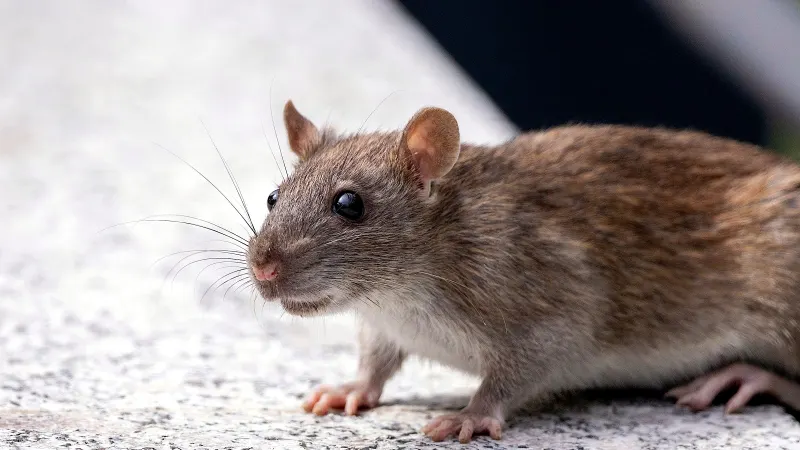
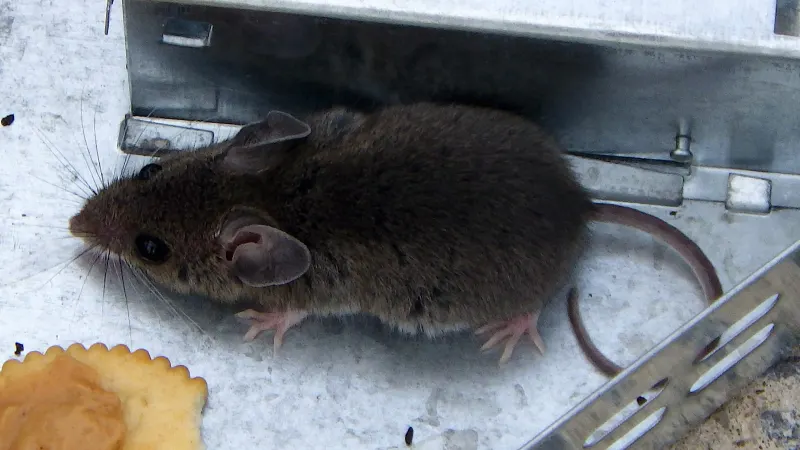
The 1994 Timm chapter says ultrasonic devices "have not been proven to control mice." It explains why the effect fades: ultrasound is very directional, does not travel around corners well and loses intensity quickly, which leaves sound shadows where mice go undisturbed. Loud or novel sounds may cause temporary avoidance "lasting from a few minutes to a few weeks," the chapter says.
A 1990 review of 23 studies by Bomford and O'Brien, summarized by New Zealand's Department of Conservation in 1997, found no evidence of any persistent effect on animal movements or food intake; at best, the devices produced short-term effects. UC IPM's 2019 house mouse tip sheet says high frequency electronic devices are not effective.
One report points the other way: the Internet Center for Wildlife Damage Management (ICWDM) says a researcher found some evidence in 2011 that ultrasound kept bats and mice out of an open area, without naming the study. Not sure it is mice? See signs of mice and what to do.
Cockroaches
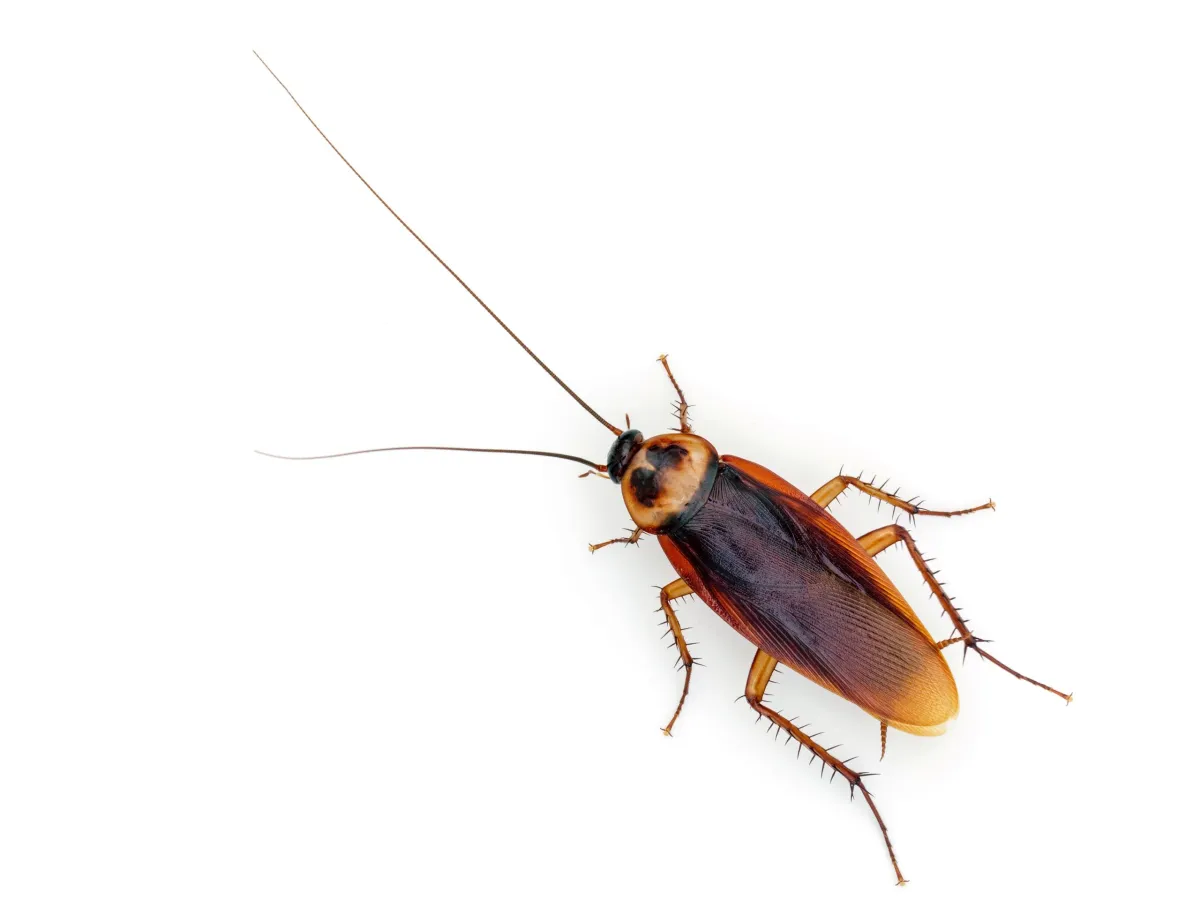
Here the sources disagree. Kansas State researchers tested three commercial ultrasonic devices on German cockroaches in 2006, and none showed sufficient repelling ability. A 2007 Kansas State study using a university-built random ultrasonic device also failed to repel German cockroaches.
A 2023 lab study from Iran found the opposite: a signal generator stepped from 20 to 100 kHz had its greatest repellent effect on male and female German cockroaches at 35 and 40 kHz. That was a lab instrument rather than a store-bought plug-in. The abstract gives no percentage. For telling the species apart, see German vs. American cockroaches.
Other insects in the tests
A 2012 Northern Arizona University study put female bed bugs in two-choice tests with four commercial ultrasonic devices; the bugs were equally likely to be found with or without the sound.
Crickets are a partial exception. In a 2001 Kansas State conference abstract, not a peer-reviewed paper, some of the devices tested partially repelled house crickets in the lab, but none of the three units tested repelled field crickets in a greenhouse.
In a Kansas State test in Plexiglas enclosures, larval numbers of Indianmeal moths fell by 48% and 38% with ultrasound from a commercial device and a university-built unit. That is a drop in reproduction, not moths driven from a pantry.
Mosquitoes
The 2007 Cochrane review covered 10 field studies in which mosquitoes were caught from the bare skin of volunteers with and without an electronic repeller. All 10 found no difference, and the authors concluded that the devices "have no effect on preventing mosquito bites."
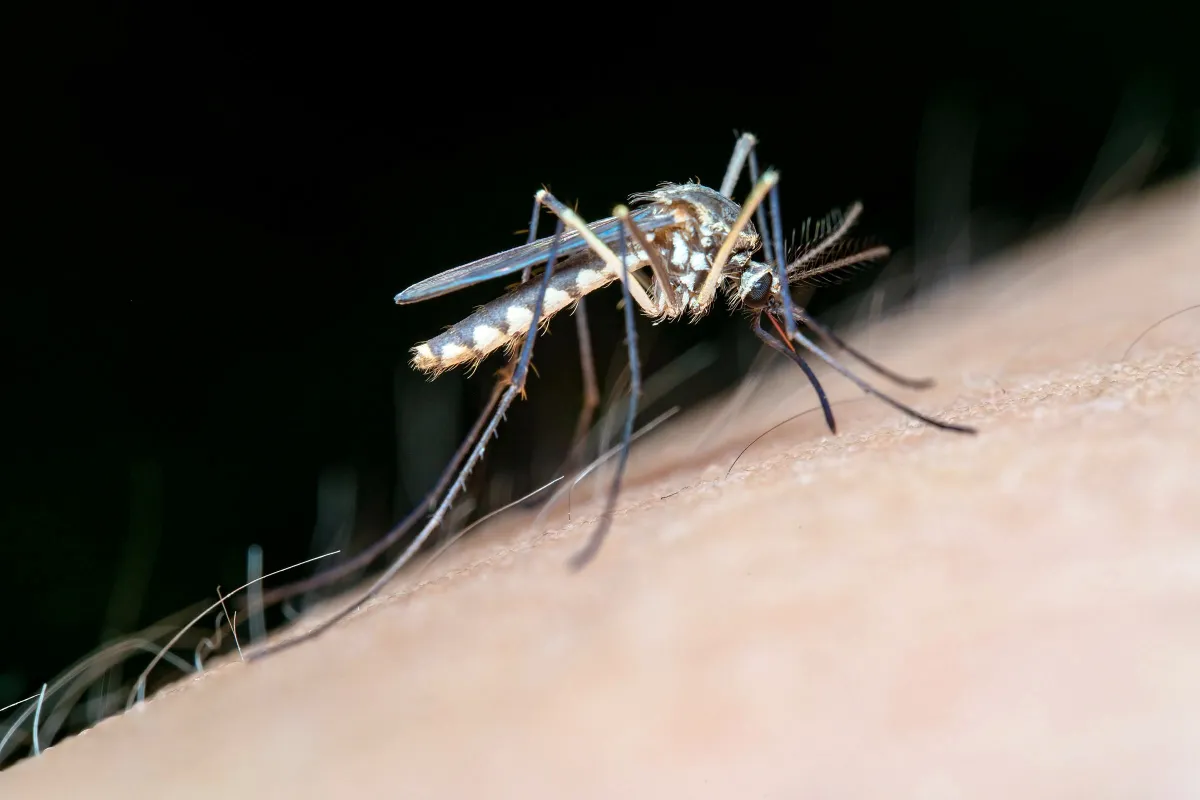
A 2010 lab study of three commercial devices and a computer program went further: frequencies from 9.6 to 18.2 kHz initially raised Aedes aegypti biting rates by around 20% to 50%. Those frequencies fall inside the human hearing range LSU lists (64 to 23,000 Hz), so the sound tested was audible rather than ultrasonic. For options with better evidence, see mosquito repellents that work.
Why it can seem to work
Victor, maker of the PestChaser, says ultrasound cannot penetrate walls, floors or ceilings or travel around corners, and recommends one unit for each average-sized room, more where furniture is in the way.
Victor's help page says rodents may ignore the device if they are starving, have a nest of babies or are deaf, and tells buyers to eliminate an infestation with traps first, then use the repeller to keep rodents away.
Cornell's IPM program notes that a mouse-free house may simply be well built and sealed. A researcher quoted by ICWDM says he thinks his team demonstrated that a rodent program with ultrasonics "was just as successful if the units were not turned on."
Pets that can hear it
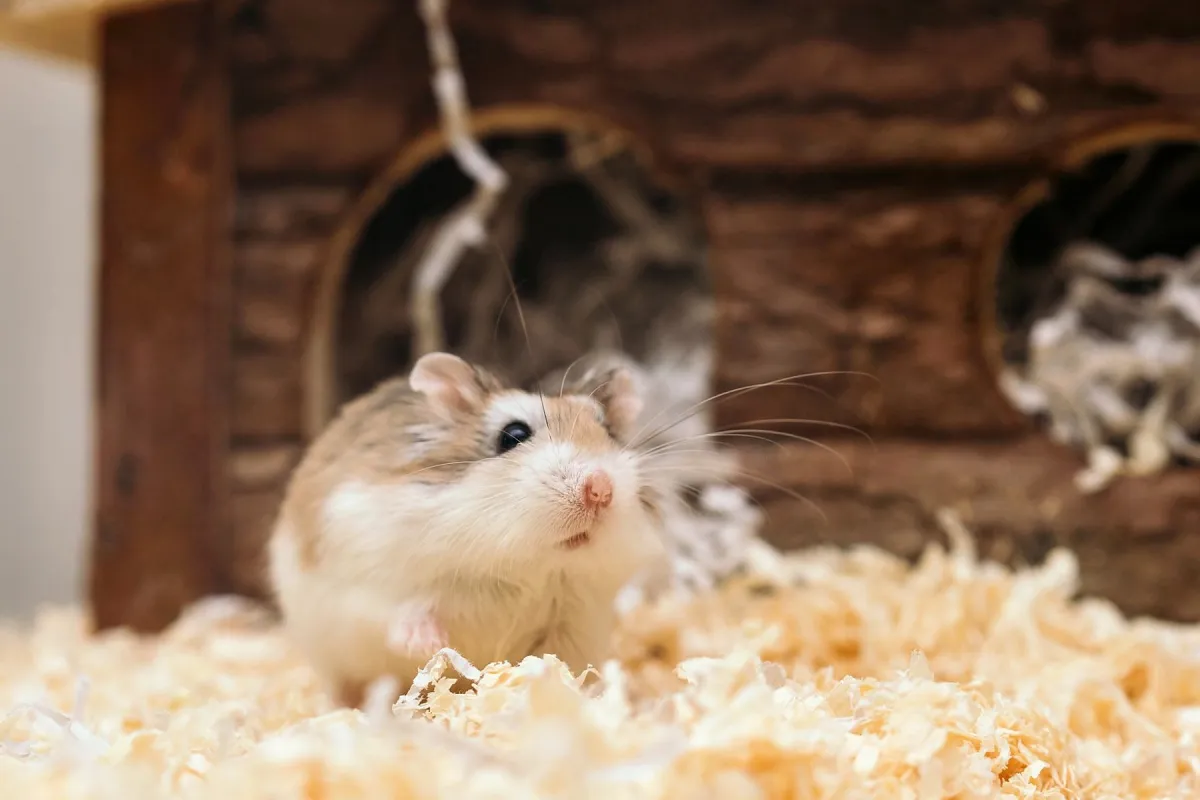
If you keep a hamster, read this first. LSU's School of Veterinary Medicine lists approximate upper hearing limits of 23,000 Hz for people, 45,000 Hz for dogs, 64,000 Hz for cats, 42,000 Hz for rabbits, 50,000 Hz for guinea pigs and 91,000 Hz for mice. Victor's FAQ sheet says the PestChaser's 32 to 62 kHz output is well above the hearing range of cats and dogs. That is 32,000 to 62,000 Hz, all within cat hearing on the LSU chart and, up to 45,000 Hz, within dog hearing. LSU cautions that its figures come from studies using different methods, and the chart shows hearing range only, not whether the sound bothers or harms a pet.
Victor's product pages say not to use PestChaser around rabbits or pet rodents such as gerbils, hamsters and guinea pigs, though a Victor reply on one product page told a buyer a bunny should not be able to hear it. Bird-X says small pets including gerbils, mice and rats should be moved out of range of its Pest-X. The makers' own warnings point to one step: keep rodent pets and rabbits in a room without a unit.
People can hear some units too. A 2018 Belgian study found one rodent repeller also gave off a faint but audible 4 to 5 kHz sound; short exposure caused no significant adverse effects on average, though several listeners found the sound disturbing. Cornell says some devices exceed OSHA limits for sound exposure.
Where the money works better
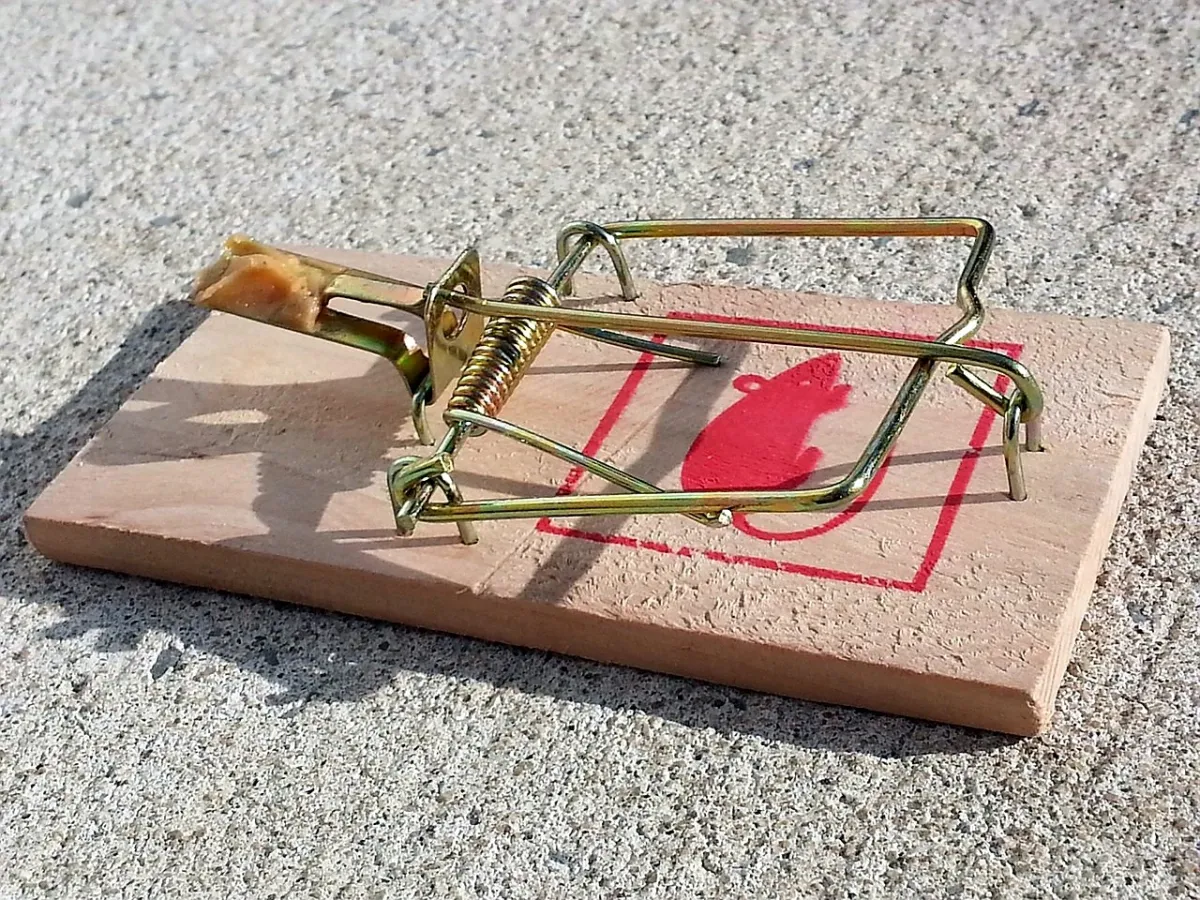
UC IPM says to seal structural cracks and openings larger than 1/4 inch with wire screen or coarse steel wool that mice cannot chew through. It also says to keep food and garbage containers sealed. It calls snap traps and glue boards the safest and most economical traps. NPMA, the pest control trade group, says mice can squeeze through openings the size of a dime (a nickel on another NPMA page) and suggests caulk, steel wool or both for cracks and holes outside the home. For a step-by-step plan, see mouse-proofing a home on a budget.
To try one anyway: Bird-X lists its plug-in Pest-X at $16.38 and its Transonic Bugchaser at $49.99 on its own site (checked Oct 27, 2026; prices elsewhere may differ). Pest-X is designed for an average-size room, so four rooms with mice would mean four units, or $65.52 at that price. Bird-X's 30-day performance guarantee covers only units bought directly from Bird-X, with return shipping at the buyer's expense.
For scent-based repellents, see the peppermint oil myth and essential oils for pests.
Safety note: UC IPM says to avoid poison baits indoors, because mice can die in hidden places, and to place any baits in tamper-proof bait stations out of reach of children and pets and wildlife; all rodent baits are toxic. The Timm chapter says not to use glue boards where children, pets or desirable wildlife can contact them. UC IPM says not to touch mice with your bare hands and to wash your hands thoroughly after handling traps. Victor says its PestChaser units are for indoor use only, and its FAQ says to plug the unit into the lower socket of a 110V-AC wall outlet.
To clean up droppings, CDC says to air the room out with doors and windows open for 30 minutes, staying out meanwhile, and not to vacuum or sweep rodent urine, droppings or nesting materials. Wear rubber or plastic gloves, spray until very wet with an EPA-registered disinfectant or fresh bleach solution, let it soak for 5 minutes or as the label directs, then wipe up with paper towels. Poison Control says not to mix bleach with ammonia or acid. Rat vs. mouse droppings lists every CDC step, including gear for heavy infestations. CDC says to contact a professional rodent exterminating service when there is evidence rodents have accessed heating and cooling ventilation systems.
Sources and how we checked
We read FTC and EPA documents and university extension publications. We also read study abstracts and maker pages from Victor and Bird-X; all were viewed on October 27, 2026. The FTC's May 3, 2001 release was read in Iowa State's verbatim reprint, and the Victor pages in Internet Archive copies, because the live pages blocked automated access. Several studies were read as abstracts or as summaries in extension reviews, and those are marked below. Retail store prices were not collected because store sites blocked automated access, so the only prices given are from the Bird-X site.
- FTC: FTC Warns Manufacturers and Retailers of Ultrasonic Pest-control Devices (May 3, 2001; Iowa State reprint, August 24, 2001); Lentek International analysis and agreement (2003); Global Instruments release (July 18, 2003).
- EPA: Pesticide Devices: A Guide for Consumers (updated September 29, 2026); Electronics For Industry decision (May 22, 1986); Impex Industries initial decision (scanned; the date is not machine-readable). NPIC: Non-Chemical Pest Control Devices (updated April 15, 2026).
- University of Arizona Cooperative Extension: AZ1639 Sonic Pest Repellents (revised October 2015; source of the 1969 study summary) and Ultrasonic Pest Control (January 14, 2023).
- Cornell NYS IPM: Ultrasonic Devices? Ultra-Ineffective (August 16, 2016). UC IPM: Quick Tips: House Mouse (June 2019).
- Robert M. Timm, House Mice, in Prevention and Control of Wildlife Damage (1994). ICWDM: Ultrasound (not dated).
- New Zealand Department of Conservation: Conservation Advisory Science Notes 151 (1997; summary of Bomford and O'Brien, 1990).
- Study abstracts: Enayati et al., Cochrane review (2007); Andrade and Cabrini, Journal of Vector Ecology (2010); Ahmad et al., Entomologia Experimentalis et Applicata (2007); Huang and Subramanyam, Insect Science (2006); Khan-Ahmadi et al., Journal of Arthropod-Borne Diseases (2023); Yturralde and Hofstetter, Journal of Economic Entomology (2012); Huang et al., crickets, ESA meeting abstract (December 11, 2001); Huang and Subramanyam, Indianmeal moth (conference proceedings, 2003).
- LSU School of Veterinary Medicine: How Well Do Dogs and Other Animals Hear? (not dated). Van Wieringen and Glorieux: short-term exposure to an ultrasonic rodent repellent device, Journal of the Acoustical Society of America (2018).
- Victor (Woodstream): PestChaser FAQ sheet (not dated); Answers from the Pros: PestChasers (archived April 12, 2026); Ultra PestChaser M793 (archived September 4, 2026); PestChaser M752PS (archived January 19, 2026).
- Bird-X: Pest-X and Transonic Bugchaser (prices checked October 27, 2026); Guarantee and warranties (not dated).
- CDC: How to Clean Up After Rodents (April 8, 2024). Poison Control: Chlorine gas (updated August 20, 2026).
- NPMA: Rodent Deterrents and 10 Easy Tips to Prevent Mice and Rodents (not dated).
Updated: October 27, 2026




0comments