

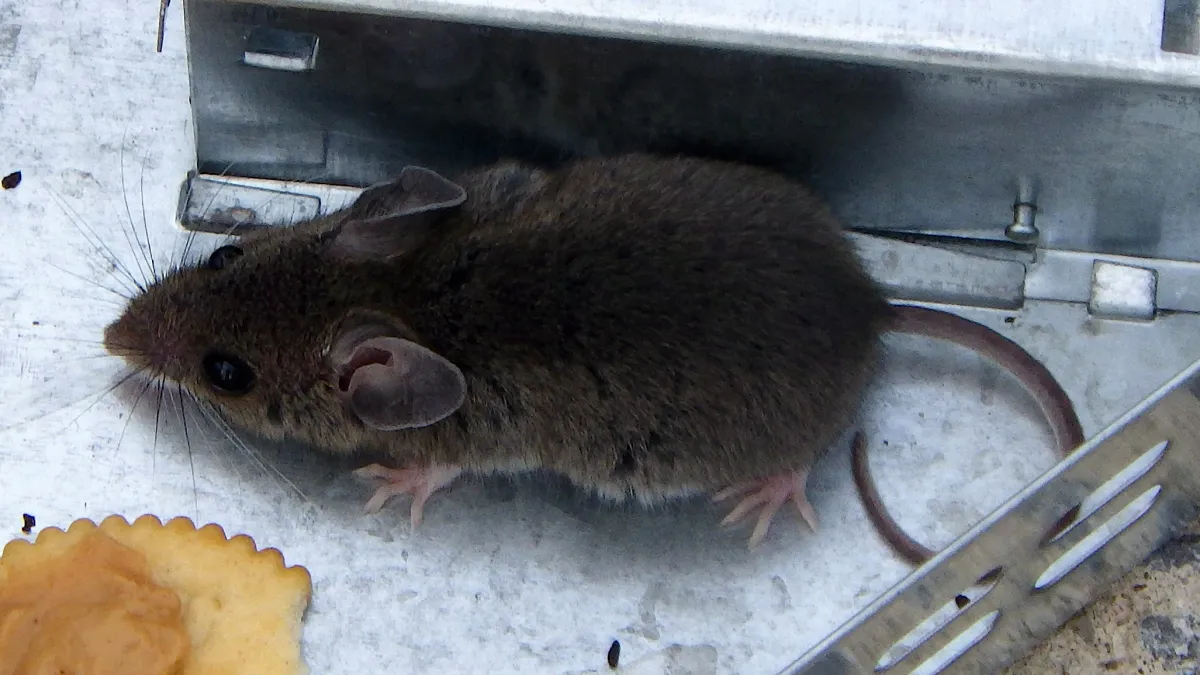
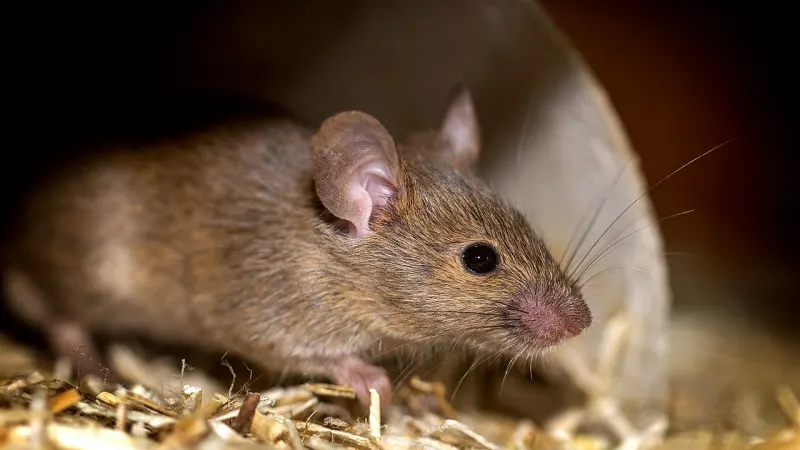
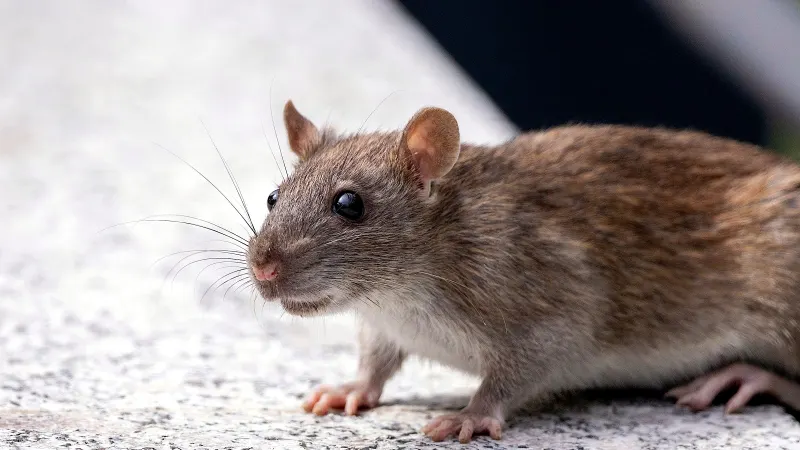
Mouse droppings turn up in the attic, and a box of mothballs sits in the back of a closet. The old advice says to scatter a handful and let the smell do the work. Do mothballs keep mice away, and is it even legal to try?
Do mothballs repel mice? Agencies say little or no effect
A strong smell makes mothballs look like a repellent. Agency and extension sources rate mothballs as a poor mouse repellent. The National Pesticide Information Center (NPIC), run by Oregon State University with the EPA, says mothballs have "little or no effect as repellents" for insects or animals. The University of California's pest program lists mothballs among the things that "do not work to repel rodents from your home," and NC State Extension calls repellents that include moth balls "not a reliable form of mouse management or prevention."
One older source leaves a small opening. A 1994 University of Nebraska handbook chapter on house mice says moth balls (naphthalene), in sufficient concentration, "may have at least temporary effects in keeping mice out of certain enclosed areas." The next sentence adds that they are "not specifically registered by the EPA as mouse repellents," and the chapter calls chemical repellents "seldom a practical solution to mouse infestations."
NPIC also notes that older product labels may have said it was okay to use mothballs as repellents. The Enoz Old Fashioned Moth Balls label that EPA accepted in 2021 claims one thing: it "Kills Clothes Moths, Eggs and Larvae in Air-Tight Containers and Storage Closets."
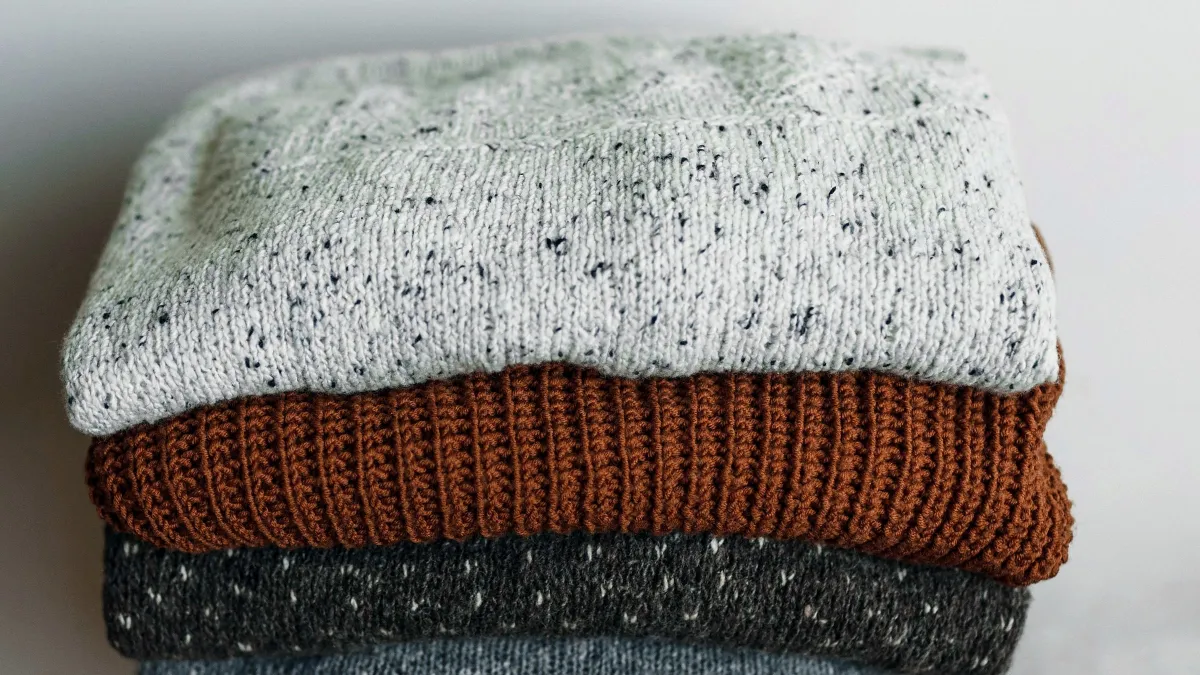
Is it legal to use mothballs in an attic or car? Only where the label allows
Mothballs are EPA-regulated pesticides, so the label is the law. The Enoz label states: "It is a violation of Federal law to use this product in a manner inconsistent with its labeling." EPA's labeling Q&A says registered mothball products specify the use site as "air-tight containers and storage closets," so applying them to a site not on the label is unlawful.
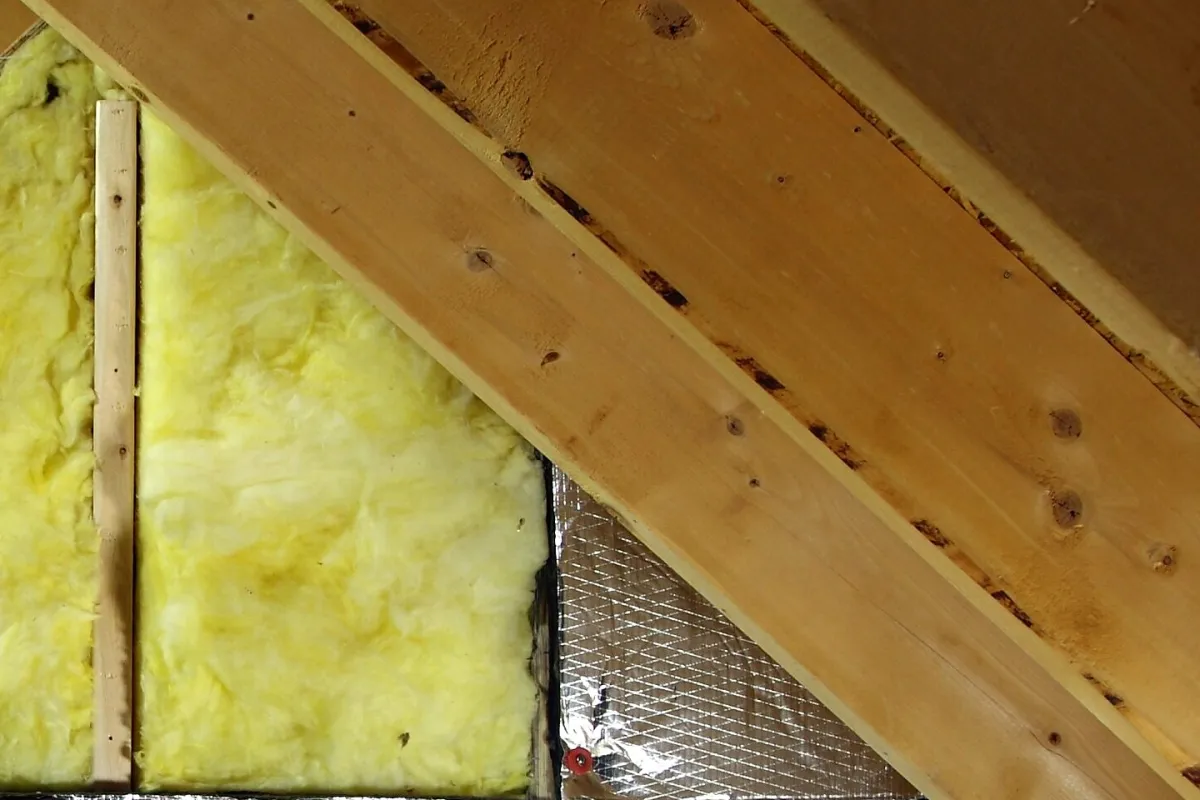
Oregon State University Extension puts the rule in plain terms: mothballs "should never be used in attics, crawl spaces, gardens, trash cans or vehicles." It lists mice and rats among the animals involved and says "Any such use is illegal and can be harmful to human health." These sources cite use outside the label as the violation.
Here is where people use mothballs and what the label says.
| Where | On a mothball label? | Main problem |
|---|---|---|
| Airtight container, garment bag | Yes, for moths | A smell outside means a leak |
| Attic | No | Vapor drifts down into the home |
| Garage, loose | No | Label lists only sealed spaces |
| Vehicle | No | Vehicles are on OSU's never list |
| Garden | No | Vapors reach plants and soil |
2026 Enoz labels add a test: a smell that persists after sealing means the container is not airtight. For clothes in a sealed bin, see the guide to storing seasonal clothes.
Some naphthalene products carry animal uses of their own. A 2026 Enoz label covers tree squirrels and bats in attics and wall voids, not mice; a 2025 Dr. T's granule label limits its mouse and rat use to outdoor garbage bags.
What mothball fumes do inside a house
Mothballs are nearly all active ingredient: naphthalene or paradichlorobenzene. NPIC says they turn slowly from solids to toxic vapor: "When you smell mothballs, you are inhaling the insecticide." Exposure can bring headaches, nausea, vomiting, diarrhea, eye and nose irritation, and coughing; longer exposure can damage the liver and kidneys.
Enoz's own FAQ, on attic use, says the vapor is "heavier than air and will drift downward penetrating living areas." Oregon State describes mothballs placed in an attic to repel squirrels, which "almost always results in a persistent and noxious odor throughout the home."
The federal ATSDR says a large exposure to naphthalene may damage or destroy some red blood cells and cause hemolytic anemia. It reports cases in children who ate mothballs. Poison Control adds that people with G6PD enzyme deficiency are most likely to suffer red blood cell destruction. Based on animal studies, the U.S. Department of Health and Human Services concluded naphthalene is reasonably anticipated to be a human carcinogen. Paradichlorobenzene is typically less hazardous, though not harmless.
NPIC says one mothball can cause serious harm if eaten by a small child. Pet Poison Helpline says cats are more sensitive to mothballs, dogs are more likely to eat them, and naphthalene mothballs are considered the most toxic type.
Safety note: Mothballs are pesticides. Use them only as the label directs: in an airtight container. Never leave them loose in an attic, crawl space, garage, garden or vehicle. Keep them out of reach of children and pets. Never mix naphthalene and paradichlorobenzene mothballs. If you can smell mothballs, you are breathing the pesticide, so ventilate. If someone has swallowed a mothball, call your poison center at 1-800-222-1222; if a pet has, contact your veterinarian. If someone breathes the fumes, move them to fresh air and call poison control; call 911 if breathing stops.
Already put mothballs out? How to clean up
NPIC wrote up this exact mistake: a homeowner scattered mothballs in the basement and attic for rats, and within two days the odor was so strong his wife had trouble breathing. NPIC's steps included removing the mothballs and ventilating by opening doors and windows. Wear gloves, because the label says to avoid skin contact. NPIC adds that people could leave the home while it ventilates and use a fan if needed. Disposal instructions are on the label or from a local household hazardous waste program. Poison Control says to wash clothing and bedding stored in mothballs before use.
What keeps mice out instead
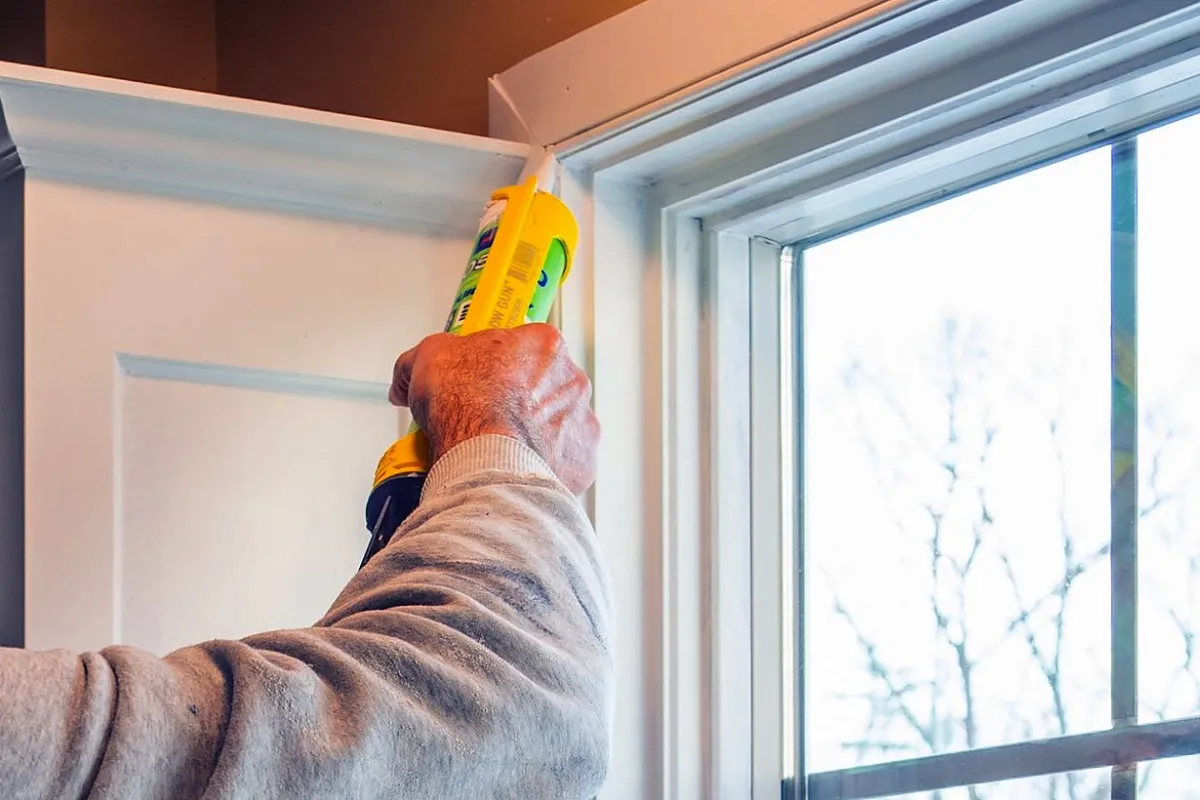
The University of California's pest program says to seal gaps larger than ¼ inch so mice and rats cannot enter. The Nebraska chapter gives the same size and names heavy-gauge hardware cloth among the materials. University of New Hampshire Extension adds snap traps for low populations.
For a low-cost version, see how to mouse-proof a home with steel wool and caulk. For the other smell-based remedy, see the peppermint oil myth. If you are not sure the droppings are mice, start with the signs of mice and what to do.
The short list: which claims hold up
Here is how the claims rate.
| Verdict | Claim | Basis |
|---|---|---|
| MYTH | Mothballs reliably drive mice out | "Little or no effect" (NPIC) |
| RISKY | Loose mothballs outside a sealed container | Off label; fumes reach the home |
| REAL | Mothballs for clothes moths in sealed containers | NPIC: gas kills moths in airtight containers |
Keep mothballs in airtight containers.
Sources and how we checked
We read federal and university extension pages first. Then we read the EPA-accepted labels and the maker's own FAQ. Every source was viewed on October 19, 2026. Where sources differ on one point, the guide says so. A 1994 handbook allows a temporary effect in enclosed spaces; NPIC says little or no effect and UC says they do not work, while UNH allows at best temporary control.
Limits of the search: we found no EPA consumer page on mothballs and no source that states a penalty for a homeowner. EPA's 2008 naphthalene decision noted outdoor naphthalene products registered to repel rabbits, snakes, rats and house mice; we read only the 2025 and 2026 labels named above, so other naphthalene products may list mice. The Enoz Old Fashioned label we read is the 2021 version, and the 2026 smell-persists wording comes from the 2026 labels of its sister products.
- NPIC (Oregon State University and U.S. EPA): Can I use mothballs to repel insects or animals? (updated September 8, 2025); Health Effects of Mothballs (updated April 14, 2026); Regulation, Proper Uses, and Alternatives of Mothballs (updated May 7, 2025); A mothball mishap? (undated).
- Oregon State University Extension: Use mothballs safely and sparingly to control clothes moths (published February 2024, reviewed 2025).
- University of Nebraska, Internet Center for Wildlife Damage Management: House Mice (R. M. Timm; Prevention and Control of Wildlife Damage, 1994); full text read from the Maine DACF copy.
- University of California: Debunking Pest Myths (May 20, 2025). NC State Extension: Surveillance and Management of Common Structure-Invading Mice (December 12, 2024). University of New Hampshire Extension: Ask Extension answer (March 6, 2025).
- U.S. EPA: Reregistration Eligibility Decision for Naphthalene (September 12, 2008); Pesticide Labeling Questions & Answers (answer dated June 26, 2009); accepted labels for Enoz Old Fashioned Moth Balls, 1475-74 (April 13, 2021), Enoz Repellent Stations, 1475-160 (January 23, 2026), Enoz Cedar Pine Moth Balls, 1475-120 (January 21, 2026) and Dr. T's Snake-A-Way, 58630-1 (December 16, 2025).
- Enoz (Willert Home Products): Frequently Asked Questions (undated).
- ATSDR (CDC): Public Health Statement: Naphthalene (August 2005). Poison Control: Mothballs can be poisonous (undated). Pet Poison Helpline: Mothballs (undated).
Updated: October 26, 2026



0comments