

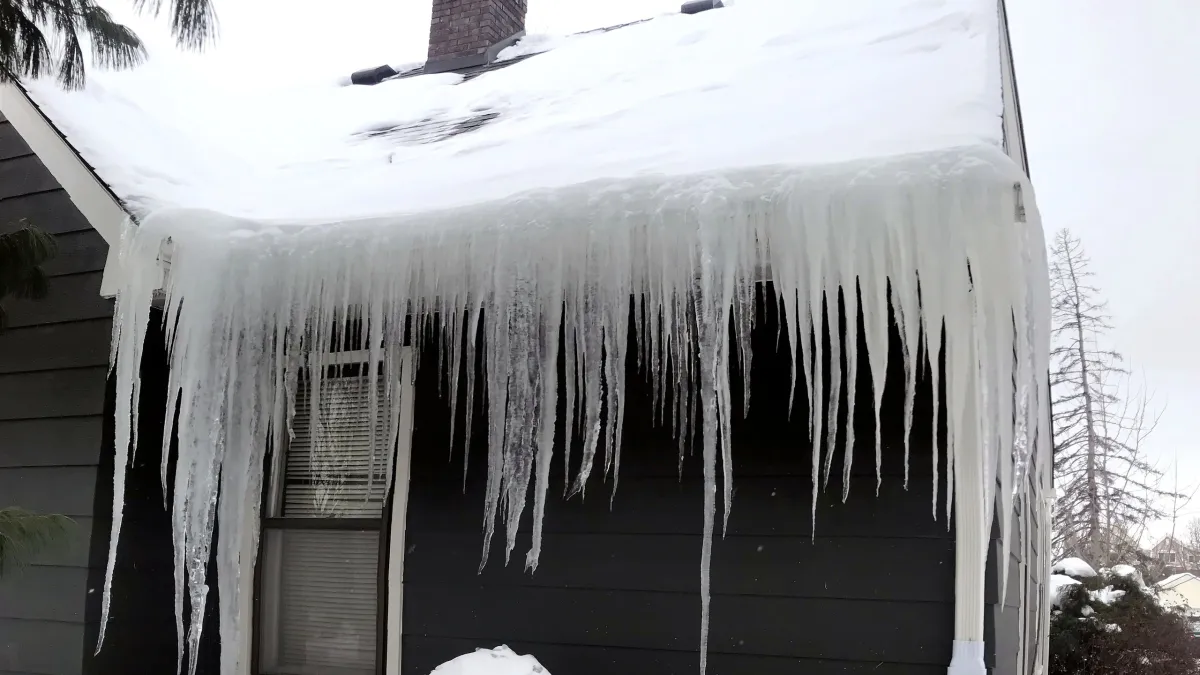
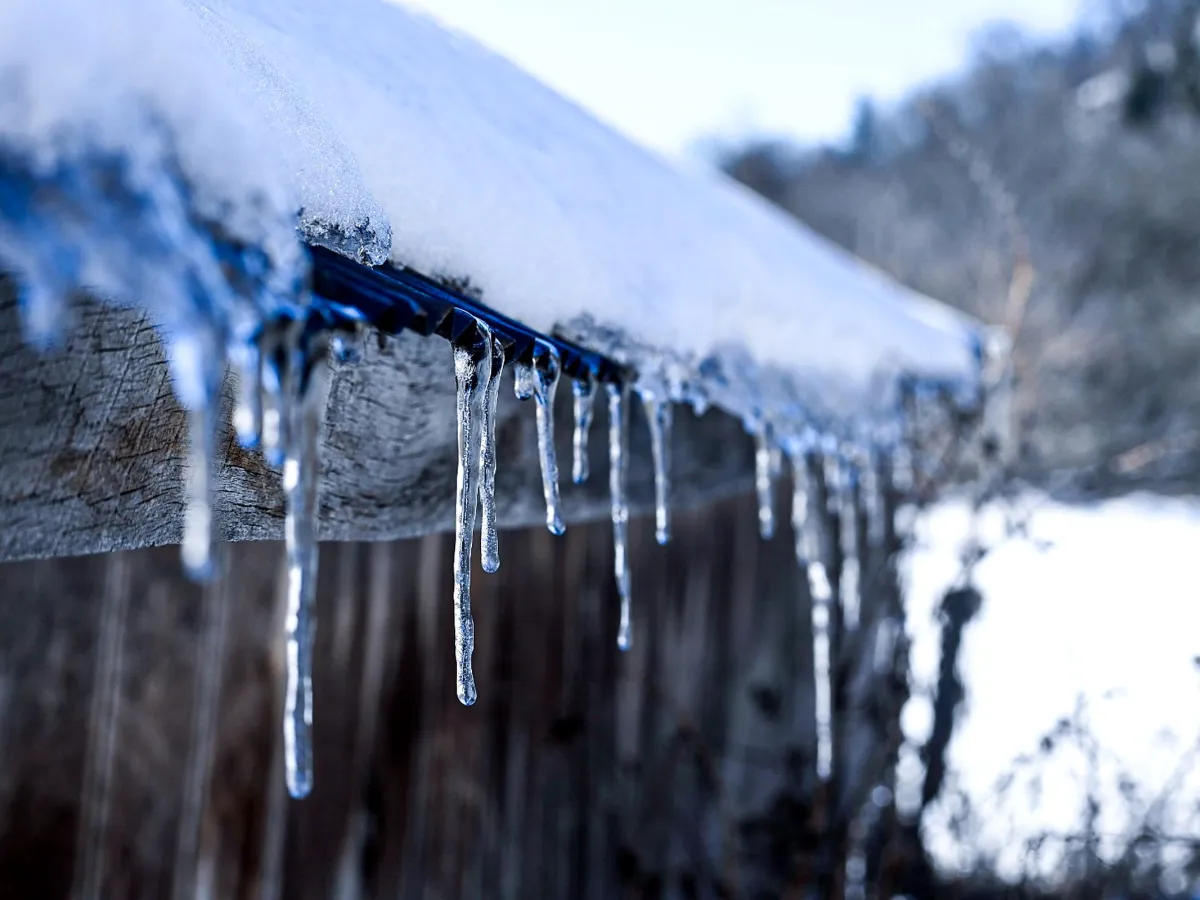
After heavy snow, a thick row of icicles hangs from the eaves. Days later a stain shows up on the ceiling, and a contractor offers to clip heat cables along the roof edge. Before paying for cables or a roof rake, know what each one does about ice dams.
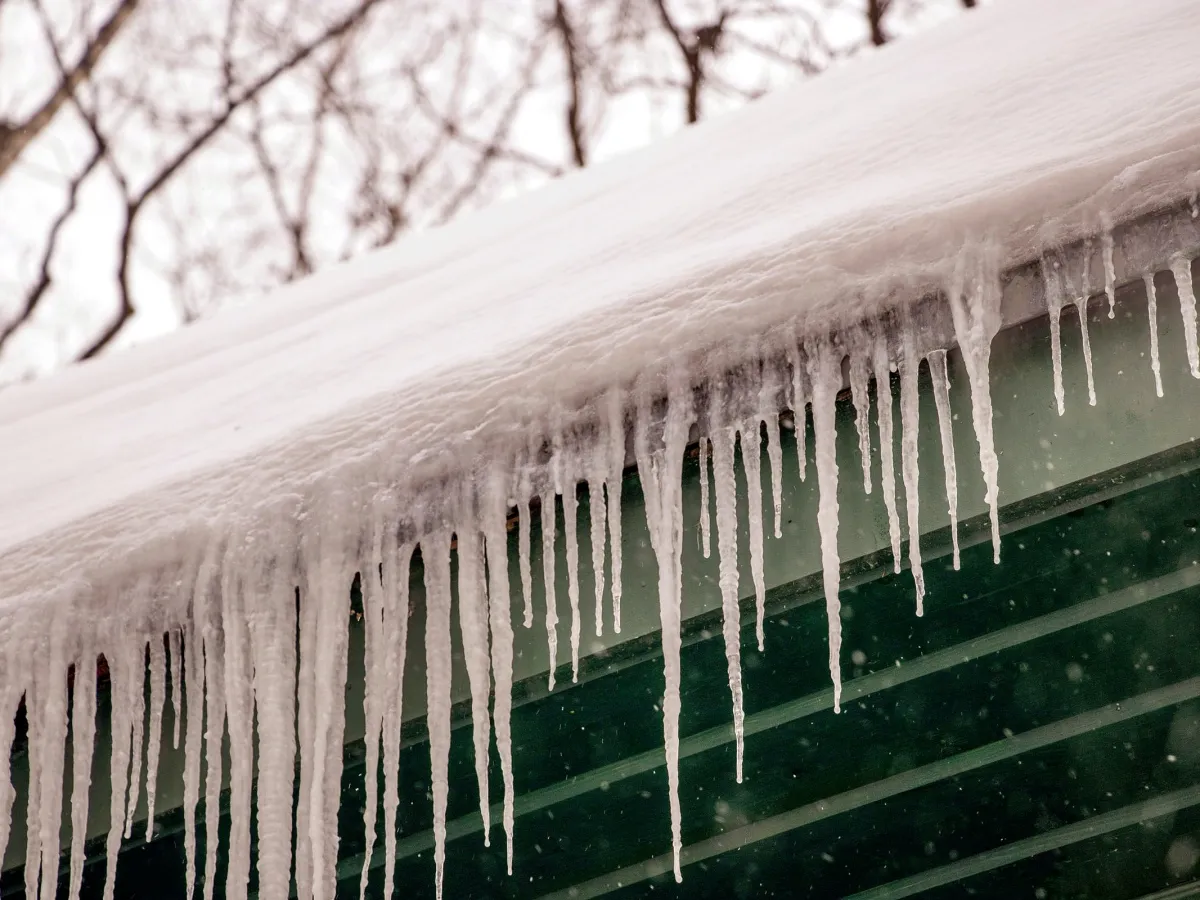
Do heat cables prevent ice dams?
Heat cables can help prevent ice dams only by keeping a narrow channel open so meltwater can drain; they do not melt the snow off your roof or clear an ice dam that has already formed. Easy Heat's manual says its cable "creates a path for melted snow or ice" to drain to the ground and "was not designed to melt snow." Frost King says its cable is not intended for use as a snow-melting system. Easy Heat and WarmlyYours say not to install their kits to remove ice dams that have already formed.
For that narrow job, the makers are confident. Raychem's IceStop manual says that as long as a heated path from the roof to a safe discharge area is maintained, "ice dams will not form."
The Minnesota Department of Commerce told homeowners in 2019: "Do not install heating cables. They will shorten the life of your roof and add to your energy costs." The National Roofing Contractors Association (NRCA) wrote in 2008 that it "advises against installing electric heat cables," mainly over safe operation and heat damage to roofing. A 2011 University of Massachusetts (UMass) article by a former faculty member says heat tape creates a fire risk and that "the electric cable creates an ice dam just above it."
Easy Heat says to run its cable only while roof snow or ice is melting and it is 15°F to 35°F outside; in very cold conditions the cable may not make enough heat to keep meltwater from refreezing.
What heat cables cost to run
The watts per foot on the box set the power bill. The common plug-in kits from Frost King and Easy Heat are rated at 5 watts per foot. Self-regulating cable draws more as it gets colder: Heat Tape Pro lists 9.6 watts per foot at 32°F, and Raychem says its IceStop cable draws about 12 watts per foot at 32°F in snow or ice.
At the U.S. average residential electricity price of 18.31 cents per kWh in July 2026, according to the EIA, here is what 100 feet of cable costs over 30 days:
| Cable and hours | Energy | Cost |
|---|---|---|
| 5 W/ft kit, 24 hours a day | 360 kWh | $65.92 |
| Self-regulating, 9.6 W/ft, 24 hours | 691.2 kWh | $126.56 |
| Self-regulating in snow or ice: 12 W/ft, 24 hours | 864 kWh | $158.20 |
Frost King suggests leaving the cable on from before the snow begins until it has melted from the roof, while Easy Heat says to run it only during melt-and-freeze conditions.
Is raking snow off the roof worth it?
Three extension services say removing roof snow helps against ice dams. University of Minnesota (UMN) Extension says it "eliminates one of the ingredients necessary for the formation of an ice dam." NDSU Extension says to use a roof rake so you avoid getting on the roof, and to focus near the bottom of the roof.
The roofing contractors' group NRCA generally does not recommend that homeowners remove ice dams or shovel snow off their roofs; it cites safety and possible damage to roofing and gutters. UMN Extension says a roof rake "may damage the roofing materials." FEMA advises leaving at least a couple of inches of snow on the roof. NRCA also says the snow left above a raked edge can form a secondary ice dam, while Avalanche, a rake maker, says keeping 5 feet of the edge clear "will typically prevent ice dams."
FEMA says roof snow removal is dangerous and should be done only by qualified people; for them, it says a long-handled non-metallic rake can in some cases be used from the ground, and that metal rakes "pose an electrocution risk." UMN Extension warns that working on the roof from below also risks injury and roof damage. It says it is important to contact professionals.
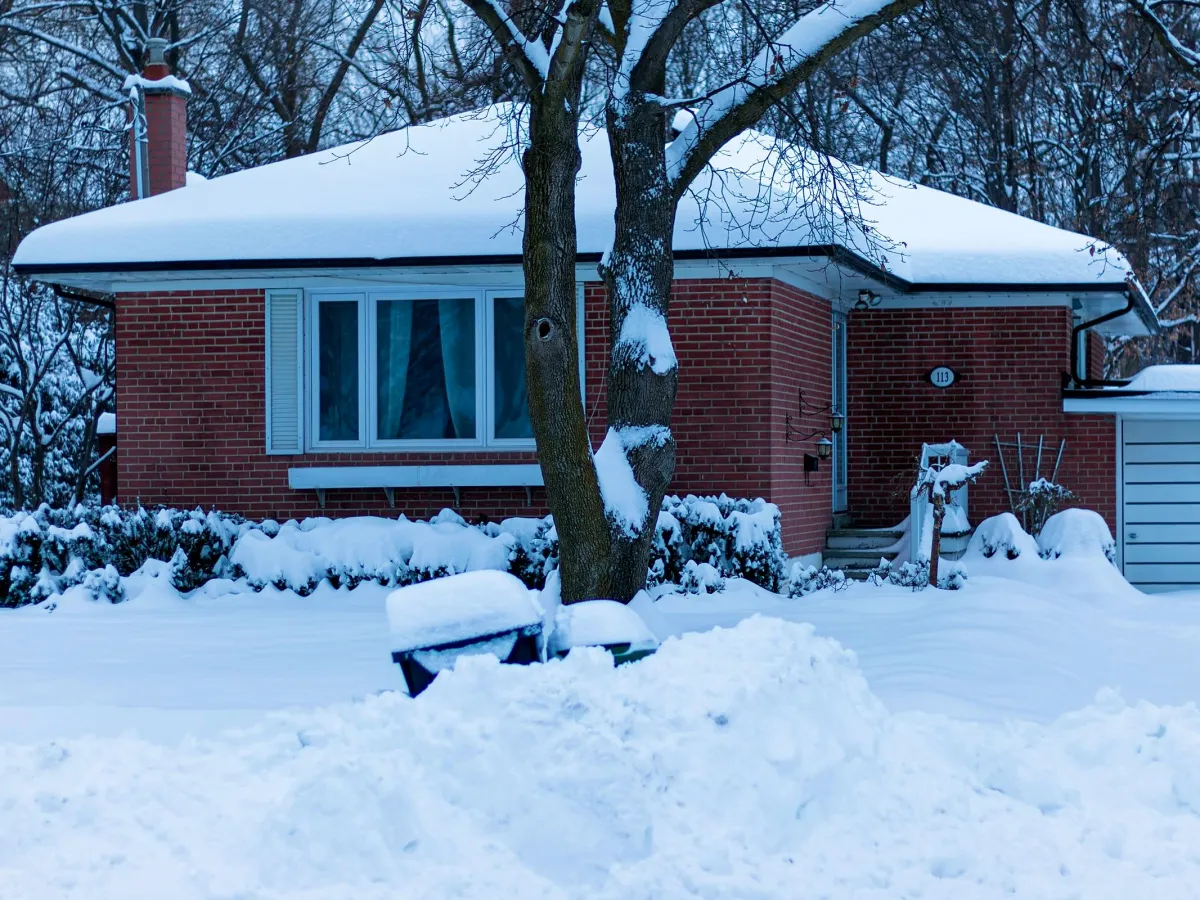
Why ice dams form, and how to prevent them
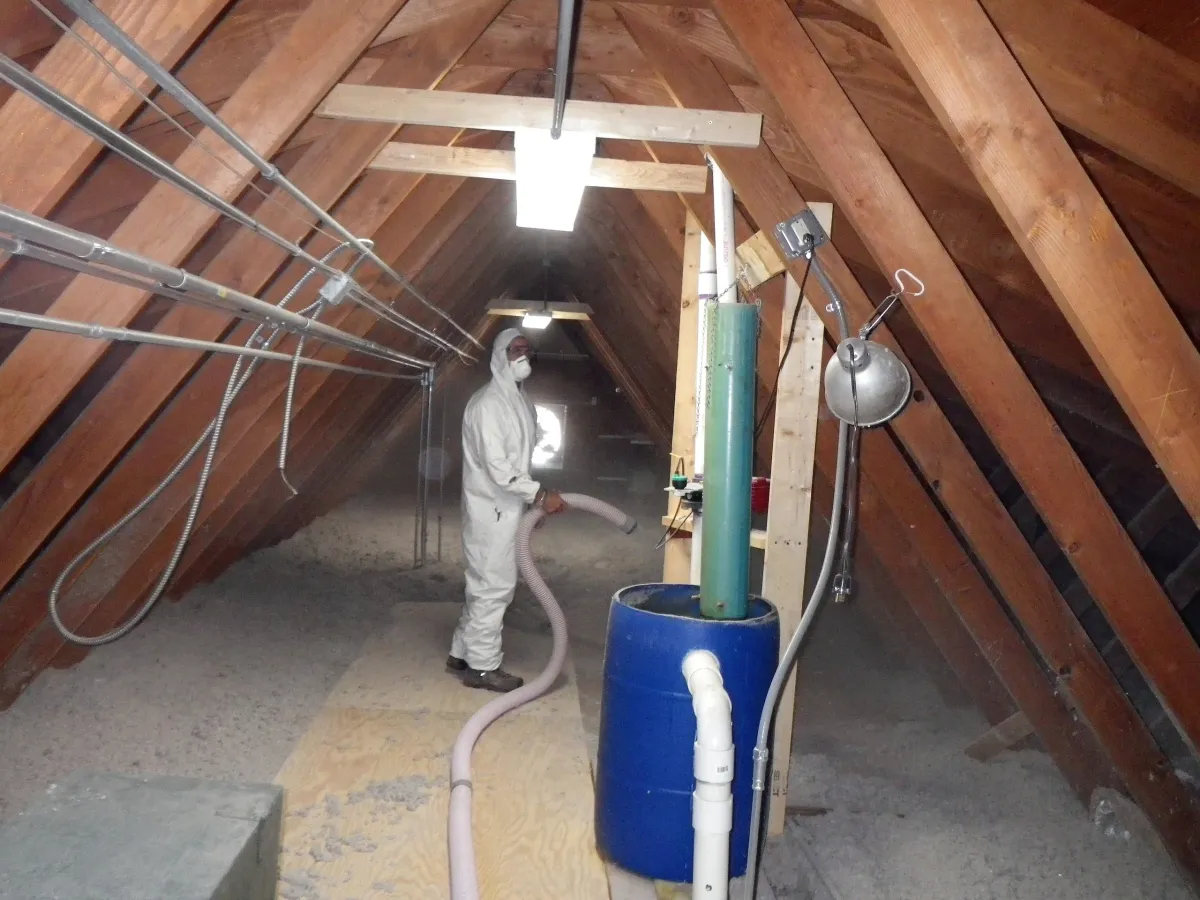
To prevent ice dams, look at the attic. UMN Extension says ice dams need snow on the roof while the higher part of the roof surface is above 32°F and the lower part is below it. UMN says it is "primarily heat flowing from the house" that warms the roof unevenly.
In many homes, UMN says, warm air leaking into the attic is the major mode of heat transfer behind ice dams, so make the ceiling airtight first and then consider more insulation. The Minnesota Department of Commerce recommends sealing leaks with caulking or expanding spray foam and insulating the attic to at least R-50 as space allows; Building Science Corporation says to go to R-60 if you can in cold climates.
Roof vents are where the sources split. Minnesota Commerce says not to add roof vents, including powered vents, because they "will not eliminate ice dams and often make the problem worse." NDSU and NRCA say proper attic ventilation helps, and UMN says natural roof ventilation can help keep roof temperatures even, but only small amounts are needed once heat loss is fixed. The guide to why your upstairs is an oven covers sealing and insulation.
What to do if water is already coming in
In an emergency, UMN Extension suggests making channels through the ice dam with tap water from a hose on a warm day; the channel stops working within days. When an ice dam is already damaging ceilings and walls, the Minnesota Department of Commerce says to hire an ice dam removal service that uses steamers.
Fixes that do more harm:
- Chipping the ice. Minnesota Commerce says not to remove ice with chippers, chemicals or heat, because these can damage shingles and gutters.
- Salt on the roof. Building inspectors in Muskegon Charter Township, Michigan, say not to routinely use salt or calcium chloride on a roof because they are very corrosive and can shorten the life of metal gutters and flashings. NRCA does not recommend de-icing salts.
The Asphalt Roofing Manufacturers Association (ARMA) says to keep gutters and downspouts free of debris; the guide to gutters and a damp basement starts with cleaning them.
Safety note: OSHA says falls cause the most worker fatalities and injuries during rooftop snow removal. FEMA warns that roof snow can slide at any moment, so stay outside the sliding range, and watch for dislodged icicles. UMN and FEMA say roof snow removal is a job for professionals. If you rake anyway, use a non-metallic rake from the ground, never from a ladder. Keep it away from overhead power lines; OSHA's guidance for workers calls for nonconductive poles and 10 feet between snow rakes and power lines. For heat cables, follow the maker's ground-fault rules: Raychem and WarmlyYours call for 30 mA ground-fault protection on each heating cable branch circuit, and Easy Heat requires a grounded, ground-fault protected outlet or its own Cable Sentry device. Easy Heat and WarmlyYours say not to use an extension cord. The Frost King and Easy Heat plug-in kits are made only for sloped roofs with tab shingles such as asphalt. Frost King says never to install its kit on a flat roof or on combustible materials, and not on a metal roof; Easy Heat says not to use its kit on wood shingle, rubber, tar-and-gravel, flat, slate, stone, ceramic or metal roofs or on wooden gutters, warning that other roofs raise the risk of electric shock or fire; slate, stone, ceramic and metal roofs need special consideration, so contact Easy Heat about them. Keep leaves and pine needles away from the cable, do not attach it to wooden parts of the eave, and call a roofing contractor if you are unsure. Hardwired self-regulating systems such as Raychem IceStop and WarmlyYours ET-SR are meant to be installed by a qualified person. Do not let constant-wattage cable touch or overlap itself, and do not use damaged cable. If water is already coming through the ceiling, or the job takes a ladder or getting on the roof, hire a professional.
Quick verdict on the common claims
How the claims hold up:
| Claim | Verdict | Why |
|---|---|---|
| Sealing attic air leaks | REAL | Heat loss causes ice dams (UMN) |
| Heat cables clear roof snow or ice dams | MYTH | Makers: drain path only |
| Chipping ice or climbing the roof | RISKY | Shingle damage, falls |
For a drain path, makers say cables work; Minnesota Commerce and NRCA advise against them. Roof raking is left out of the table: the sources split on it, as covered above.
Sources and how we checked
We used university extension pages and a Minnesota state bulletin for the causes and fixes. Federal safety guidance covers raking; the cable and rake makers' own manuals cover how the products work. All were viewed on October 22, 2026. Some sources are old; the list below gives each year. The DOE Energy Saver page on ice dams returned 404, and the Wayback Machine refused requests (HTTP 429) for the whole session, so we could not read an archived copy. The International Residential Code ice barrier rule could be read only through the Iowa edition on UpCodes, so we left it out. We did not include retail prices for cables or rakes because Home Depot and Lowe's blocked automated price checks, and Walmart and Ace did the same. Electricity costs are our own math: watts per foot times 100 feet, times hours a day, times 30 days, at the EIA price for July 2026.
- University of Minnesota Extension: Dealing with and preventing ice dams (reviewed 2022).
- Minnesota Department of Commerce: Got ice dams? (February 25, 2019).
- NDSU Extension: Reduce ice dam and icicle damage (January 4, 2023).
- UMass Amherst Building and Construction Technology: Preventing Ice Dams (2011).
- Building Science Corporation: BSI-046 Dam Ice Dam (February 8, 2011); BSI-097 De-Icing Ice Dams (October 16, 2018).
- FEMA: Snow Load Safety Guidance (PDF, posted July 2020).
- OSHA: Hazard Alert: Falls and Other Hazards to Workers Removing Snow from Rooftops (December 2017), copy hosted by Portland State University, because we found no live osha.gov address.
- Muskegon Charter Township, Michigan: Ice dams handout (2025).
- NRCA, Professional Roofing: Technical Elements (January 2008).
- ARMA: Preventing Damage From Ice Dams (August 27, 2024).
- Cable makers: Easy Heat, ADKS owner's manual; Frost King, roof cable instructions (2012) and roof cable support page; Raychem (Chemelex), IceStop installation manual (2025); WarmlyYours, ETC kit manual and ET-SR manual; Radiant Solutions, Heat Tape Pro.
- Avalanche: roof rake manual (2018).
- U.S. Energy Information Administration: Electric Power Monthly, Table 5.6.A (released September 24, 2026).
Updated: October 26, 2026




0comments