

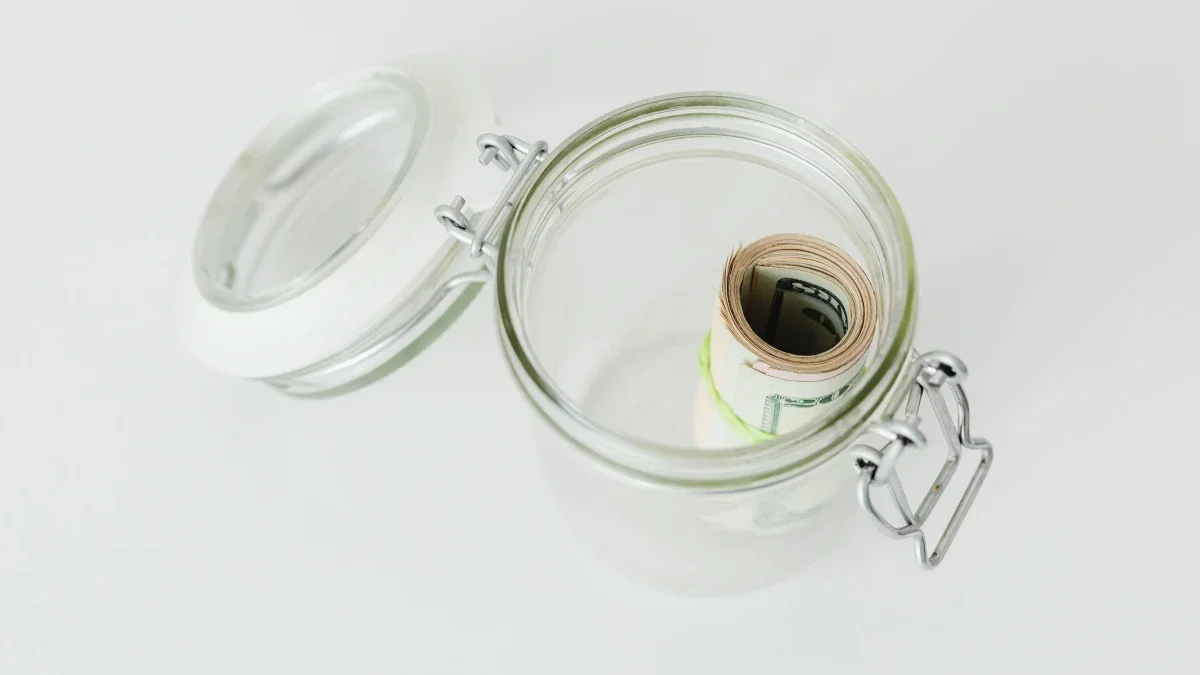
Here's the thing nobody tells you in a cramped apartment: the problem usually isn't too little space. It's too little usable space. There's a whole vertical world of empty wall above your counters, dead air under your bed, and the backs of doors doing nothing. Reclaiming it costs less than a nice dinner out, and if you rent, you can do almost every trick below without a single hole in the wall.
The hacks are sorted by room below. Prices are rough ranges that swing with store, size, and brand, so treat them as a ballpark, not a fixed quote. The point isn't buying more containers; it's waking up the space you already pay rent on.
Three rules before you buy anything
Burn these in before you spend a dime.
- Declutter first, buy second. A bin full of stuff you don't use is just clutter with a lid on it. Empty the space, sort, then measure. Buy containers first and you size them around junk you should have tossed.
- Go up, not out. Floor space is precious; wall and door space is nearly free air you already own. Any time you can hang something instead of setting it down, do it.
- Use clear or open containers. If you can't see what you own, you'll forget it and buy a second one. Clear bins and wire baskets keep your inventory honest.
One caveat: the popular organizer advice about not overpacking bins is a rule of thumb, not a measured standard. Just leave breathing room so you'll actually put things back. And the dollar figures throughout are honest estimates, not verified prices.
Renter-friendly means no holes and no regrets
Four tools do most of the work in a small home, and every one presses, hangs, or sits rather than drilling. A tension rod holds itself up by pressure between two surfaces. Over-the-door hooks hang on the door's top edge. Removable adhesive hooks peel off clean. Under-bed bins touch nothing but the floor. None asks you to open a drywall anchor.
For a renter, that matters because the damage that actually gets charged is the big stuff. HUD's guidance treats small nail holes from hanging pictures as normal wear and tear the landlord absorbs, while large or numerous holes that damage drywall or paint are tenant damage that can come out of your deposit. No-drill tools sidestep exactly that.
One honest correction to a common worry: a couple of small picture-nail holes generally aren't what loses you money — it's the wall-wrecking. Even so, deposit rules vary by state and lease, and HUD guidance is federal housing-program context, so check your own lease.
Adhesive hooks: do them right or they fall
Command and 3M hooks fail for boring, fixable reasons. The fixes come straight from 3M's own instructions:
- Wipe the spot with rubbing (isopropyl) alcohol, not a household cleaner. 3M is explicit that cleaners leave a residue that keeps the adhesive from sticking.
- If you've painted recently, wait. 3M's main guidance says wait 7 days after painting, and some packaging asks for longer, so treat a full week as the floor. Fresh paint hasn't cured, so it peels.
- Press the strip firmly for 30 seconds to seat the adhesive.
- Then wait a full hour before hanging anything. Skipping this cure is a top reason hooks drop.
- To remove, slowly stretch the tab straight down against the wall until it releases. Never pull it toward you — that tears paint.
These steps are specific to Command and 3M, and each product has its own weight limit printed on the package. Generic dollar-store hooks may behave differently, and textured walls may not grip.
Kitchen: mine the vertical and the hidden
Kitchens waste vertical space in plain sight. The insides of cabinet doors, the wall between counter and upper cabinets, and the gap beside the fridge are all fair game, and hanging things frees the cabinet floor and counter.
- Tension rod under the sink. Run a spring-loaded rod across the under-sink cabinet and hang spray bottles by their trigger handles, freeing the cabinet floor for a bin.
- Over-the-cabinet-door caddy. A wire basket that hooks over a cabinet door holds sponges, foil, or bags.
- Magnetic knife strip. A wall strip frees a knife block's worth of counter and holds metal spice tins, scissors, and openers.
- Riser shelves inside cabinets. A simple riser adds a second stacking level so short glasses aren't wasting the air above them.
Watch the weight ratings: tension rods and adhesive-backed magnetic strips have product-specific limits, so keep the big cleaver or a full bottle inside what they're rated to hold.
Bathroom: think up, behind, and keep it dry
Go vertical and get everything off the floor. Run a tension rod in the shower corner and clip a hanging caddy to it instead of a suction cup. Put a shelf over the toilet tank, the most under-used wall in the room. And material choice matters as much as placement: pick plastic, wire, and metal over cardboard and cheap fabric.
That's not fussiness, it's mold science. Mold needs moisture, and the EPA's core advice is to control it: keep indoor humidity below 60 percent (ideally 30 to 50) and dry anything wet within 24 to 48 hours. Missouri extension is more specific: mildew flourishes where it's damp, warm, poorly lit, and air isn't circulated, and grows most on cotton, linen, leather, wood, and paper, not metal, plastic, and glass. So a vented wire basket or plastic riser resists the funk while a cardboard box or fabric bin soaks it up.
The catch: smart materials cut mold risk but don't replace airflow. A genuinely damp, unventilated bathroom still needs a fan or an open window; the right material supplements ventilation, not replaces it.
Bedroom: the room under your bed
The footprint under your bed is roughly the square footage of a small closet, sitting empty. Slide flat, lidded, clear bins on wheels under there for off-season clothes, bedding, or shoes: clear so you don't forget what you own, wheeled so you don't crawl. If the frame sits low, cheap bed risers lift it for more clearance.
Two more freebies: hang an over-the-door shoe organizer on the closet door for socks, scarves, or chargers, and build a nightstand from a single adhesive hook plus a small stick-on shelf beside the headboard. That shelf must stay within its adhesive weight rating: phone and glasses, fine; a stack of hardcovers belongs on a real surface.
Doors, hallways, and closets: the highest-return space
A closet is mostly wasted vertical air, which makes it the best return on a few dollars in the home. Run a tension rod (or a hanging rod extender) below your existing bar to add a second row under short garments like shirts and skirts, which roughly doubles the hanging space in that zone. Stand up the tippy top-shelf sweater pile with cheap dividers, hang S-hooks for belts and bags, and swap bulky hangers for slim ones so more fits per foot. In the entryway, an over-the-door hook rack handles coats and bags, and a line of adhesive hooks makes a clean drop zone for keys.
Keep the wins honest: "roughly doubles" and "fits more" are qualitative gains from retailer and organizer sources, not a measured standard, so be skeptical of viral posts claiming an exact percentage. And a tension-rod second bar suits lighter garments; hang your winter coats on the real bar.
Common mistakes and the honest price picture
These are the traps that quietly waste money and space.
- Buying bins before you declutter. You size containers around clutter you should have tossed. Sort, measure, then buy.
- Packing bins too tight. Leave breathing room, or you'll stop putting things back.
- Opaque containers everywhere. If you can't see it, you'll rebuy it. Save solid bins for deep storage you touch twice a year.
- Ignoring weight limits. A light-duty hook won't hold a full tote. Per 3M, each product has its own printed rating, so check it.
- Skipping the alcohol wipe. Residue is a top reason adhesive hooks fail. 3M says clean with rubbing alcohol, not household cleaner.
- Forgetting to measure door thickness. Over-the-door hooks come in sizes; one made for a thin interior door won't sit right on a chunky exterior one.
And the rough price picture, so you have a target before you shop. Every figure is an estimate that varies by store, size, and brand — no authoritative source sets these prices, so treat it as a ballpark.
| Item | Roughly (varies) | Where it shines |
|---|---|---|
| Tension rod | A few dollars up | Under sink, shower, closet, window gap |
| Over-the-door hook rack | Low double digits | Entryway, bathroom, bedroom door |
| Over-the-door shoe/pocket organizer | Low double digits | Closet, pantry, bathroom, bedroom |
| Clear under-bed bin | Low-to-mid teens | Off-season clothes, bedding, shoes |
| Adhesive hooks (pack) | Single digits up | Any smooth wall, bedside "nightstand" |
| Shelf riser | Single digits up | Kitchen cabinets, closet shelf, vanity |
| Magnetic knife strip | Low double digits | Kitchen wall or backsplash |
| Bed risers (set) | Low double digits | Under bed for clearance |
| Slim hangers (pack) | Low double digits | Any closet rod |
| Shelf dividers | Low double digits | Closet top shelf, linen closet |
FAQ
Will adhesive hooks or tension rods damage my walls?
Done right, no. Tension rods press against surfaces and touch nothing else. Removable adhesive hooks come off clean if you wait at least a week after painting, wipe with alcohol, stay under the weight rating, and pull the tab straight down to remove. Textured walls are the one place they may not grip.
Do nail holes really cost me my deposit?
Generally, small picture-nail holes are treated as normal wear and tear, the landlord's cost. It's large or numerous holes and torn drywall that become chargeable, and no-drill tools avoid that damage entirely. Rules still vary by state and lease, so check yours.
How do I store things in a humid bathroom without mold?
Stick to plastic, wire, and metal, keep containers off the floor and out of direct shower spray, and skip cardboard and cheap fabric. The EPA notes mold grows fastest when things stay wet past 24 to 48 hours, and Missouri extension notes mildew feeds on cotton, leather, and paper, not metal or plastic. None of it replaces a fan.
What's the single best few dollars to spend in a small apartment?
Add vertical hanging space where you already store the most stuff — usually a tension rod as a second closet bar or an over-the-door organizer. Doubling your highest-traffic zone gives the biggest payoff.
The takeaway: small-space storage isn't about buying more, it's about waking up the empty vertical, under-bed, and behind-door space you already pay rent on, using no-drill tools that leave your deposit intact. Spend less. Live more. — The Thrifty Almanac






0comments