

A front-load washer that smells like a damp basement is not dirty the way you think. The odor is not in your clothes, and usually not the drain. It is a living film on three surfaces inside the machine, fed by something you add on purpose each week.
That sorts the internet's washer advice fast. A few fixes are free and permanent. Several waste an afternoon and may cost you a rubber seal. One can send you to the ER. Here is the tier list, built like our household repair playbook: mechanism first.
The smell is not in your clothes — it is a film in three places
Researchers who swab washing machines keep landing on the same spot. In a 2023 study of 50 household machines, 82% were positive for fungi, and the inner part of the rubber door seal was the most contaminated surface tested at 37.5% — ahead of the outer seal (36.1%) and the drawer (26.2%). Aspergillus and Penicillium led.
A 2025 study of 10 machines found front-loaders carried far heavier bacterial loads than top-loaders — 6.50 ± 2.46 Log10 CFU per swab versus 3.79 ± 1.73 — blaming residual water retained in the drum. Again the door seal was worst.
Ten and fifty machines are no national census — 37.5% is not a national figure. What both agree on is geography:
- The inner fold of the rubber door gasket — the lip you peel back to see behind.
- The detergent drawer and the cavity it slides into.
- The drain sump and pump filter, behind the panel at the bottom front.
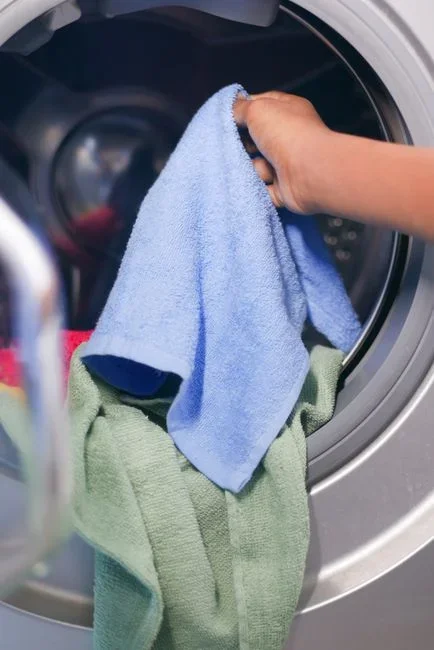
Why it keeps coming back: cold water, too much soap, a door you shut
Cold water does not fully dissolve detergent. LG says so plainly: "the detergent may not completely dissolve, resulting in buildup and/or odor." That residue coats surfaces water never reaches — and residue is food. The 50-machine study calls detergent and softener leftovers organic matter that "serves as a nutrient source for microbes." The softener you add for plush towels stocks the pantry — one reason to check what softener really does to your laundry.
Temperature closes the trap. A peer-reviewed review of laundry hygiene puts the median US cold wash at 14.4 °C (57.9 °F); pathogen control needs above 40 °C to 60 °C. The 2025 study measured an average of 13.98 °C: "detergent alone is not sufficient in reducing the overall bioburden." An earlier machine study adds that 40 °C "is only sufficient for disinfection when bleaches are used."
Two culprits, two jobs. The gasket is fungi plus biofilm bacteria — that review names Pseudomonas putida the most resilient biofilm former in washing machines. The damp stink on clothes is separate: Moraxella osloensis makes 4-methyl-3-hexenoic acid, the "wet-and-dirty-dustcloth-like" one.
Moisture finishes the job: "The key to mold control is moisture control," says EPA. No study measures a shut door as a cause by itself — that is inference: front-loaders hold water, moisture drives mold, makers say dry the gasket and leave the door open. Same principle as mold anywhere else in the house.
REAL: the fixes that actually clear it, graded
| Fix | Cost | Evidence | Effort | What it solves |
|---|---|---|---|---|
| Wipe the gasket fold dry each wash day | A rag | Strong — worst spot in two studies | Seconds | The main reservoir |
| Clean the drain pump filter monthly | Free | Strong — maker instruction | The long one | Standing water inside |
| Run Tub Clean monthly with a washer cleaner | One tablet | Strong — maker instruction | Hands-off | Biofilm you cannot reach |
| Hand-wash the drawer monthly | Free | Moderate — third-worst site | Quick | Residue reservoir |
| HE detergent, measured; no overloading | Saves money | Moderate — extension guidance | None | Stops refeeding the film |
| Leave door and drawer ajar | Free | Inferred — maker guidance | None | Dries the incubator |
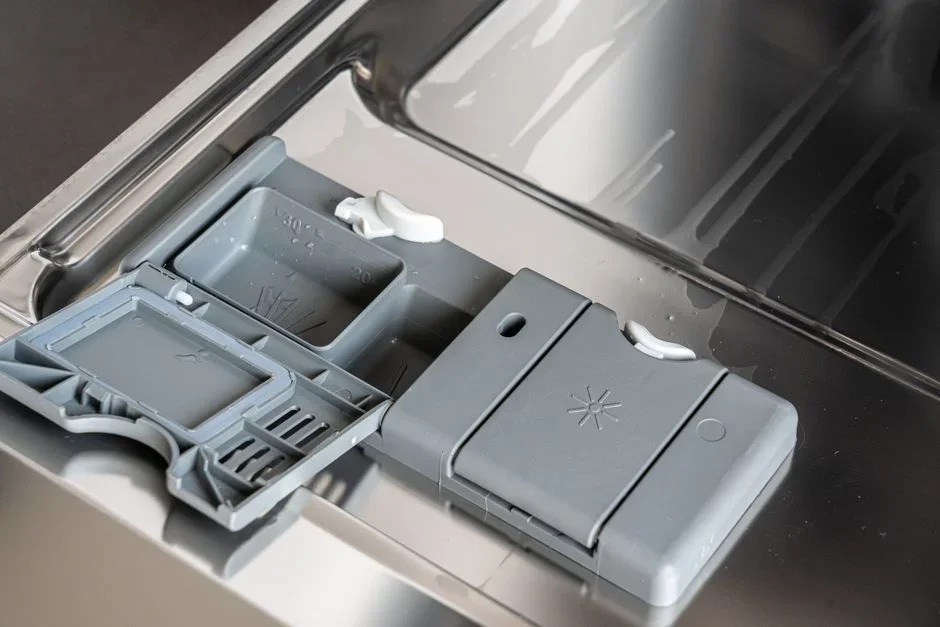
LG is blunt about the first row: "The door and gasket of the washer should be wiped dry at the end of each wash day." Same page: clean the dispenser drawer monthly, never in a dishwasher. For visible growth LG advises an oxygen-based bleach — oxygen, not chlorine, and read the safety section first.
The drain pump filter — the step nobody has done
What and why: a screw-in filter behind a small panel at the bottom front. LG warns that "a clogged drain pump filter can lead to poor draining, causing water to remain in the drum leading to odor over time."
How: LG recommends cleaning it monthly. Set a shallow pan and towel by the panel, pull the drain hose into the pan and remove its plug to drain fully, then turn the filter counter-clockwise. Do not pull the hose too far — kinking stops draining. Clear the lint, reverse.
Expect coins, hair and something gray. Limit: if the pan fills fast, plug the hose and empty in stages — a front-loader holds more water than one pan.
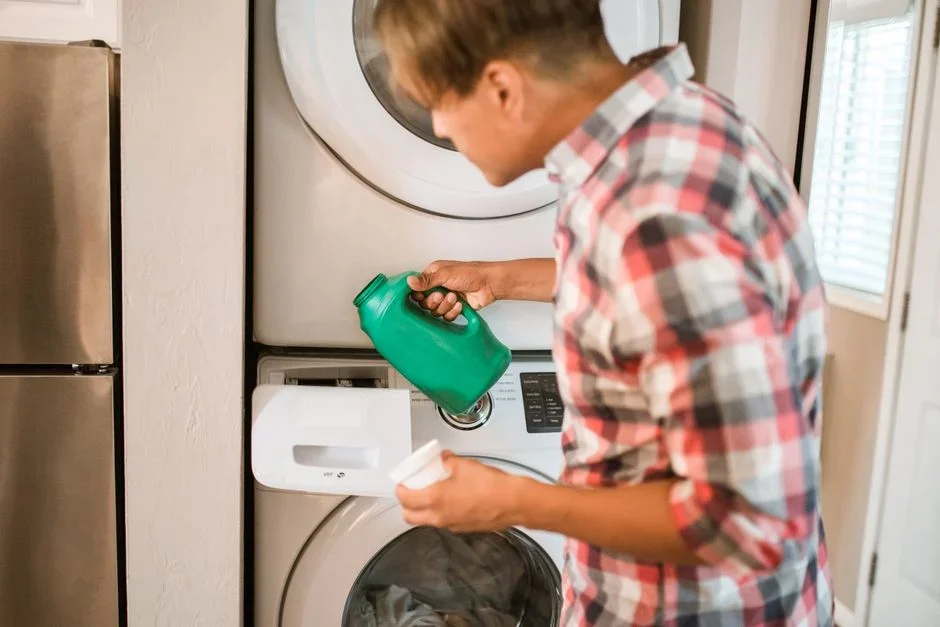
Whirlpool says clean the machine "once a month... and/or if odor is present" and adds: "Do not stop the 'Clean Washer' cycle." The limit: heat is not sterilization — that cycle works because of the cleaning product, not the temperature.
MYTH: the monthly vinegar cycle "sanitizes" your machine
The most-shared washer hack fails on two independent grounds. First, the word: "sanitize" is a regulated claim. EPA calls a product "intended to disinfect, sanitize, reduce, or mitigate growth" of microbes an antimicrobial pesticide, and it "regulates and registers antimicrobial pesticides and approves the label language." Vinegar is sold as a food, not a registered product with a reviewed sanitizing claim.
Second, the cost. Maytag and Bosch both tell owners not to put vinegar or citric acid in the drum, because the acid degrades rubber seals and hoses over time. The free fix is the one that can cost you a gasket.
The disclosure we owe you: no peer-reviewed study measures vinegar degrading seals. That rests on manufacturer advisories, and those makers sell the tablet they would rather you buy. Our read — a vinegar-damp cloth on the gasket is not a cup of acid in the drum, and only the second is worth avoiding, and only if no chlorine bleach has been in the machine.
MYTH: baking soda plus vinegar does something
They cancel each other. The American Chemical Society's curriculum spells out the acid-base reaction: atoms rearrange into sodium acetate, water and carbon dioxide. The fizz is the two consuming each other, not cleaning power. Full teardown in the chemistry of the fizz.
MYTH: more detergent equals cleaner
The opposite is true, and over-dosing is the root of most washer odor. Texas A&M AgriLife Extension explains it: HE machines take detergent marked HE, and "regular detergent produces too many suds in low water levels and makes it difficult to remove all of the soap." It adds that overloading "can create extra lint, leave detergent on clothes," and that detergents work better above 65 degrees.
Soap that cannot be rinsed becomes the nutrient film. Check the bottle for the HE symbol, measure the dose, load loosely. This is where homemade laundry soap deserves a hard look, since undissolved DIY mixes cause exactly this. Limit: no source supports "cut your dose in half" — use the machine's dose line.
DANGEROUS: never let bleach and vinegar meet in the same drum
The two most-recommended washer hacks online — run vinegar, run bleach — are the pair that must never meet. Poison Control: "You should never mix vinegar with chlorine bleach. The combination creates highly irritating chlorine gas."
The New Jersey Department of Health hazard alert carries the case that ends the argument: an asthmatic restaurant worker opened a dishwasher, was overcome by fumes from an acid cleaner mixed with bleach inside the machine, and later died. When bleach meets an acid, chlorine gas forms, and "very high levels can be fatal."
- Bleach + vinegar, or any acid cleaner → chlorine gas. NJDOH lists vinegar as producing "harmful vapors, including chlorine and chloramine, which can burn the eyes and lungs."
- Bleach + ammonia → chloramine gas, linked in the same alert to coughing, shortness of breath, chest pain.
- Hydrogen peroxide + vinegar → peracetic acid, which NJDOH says can irritate the eyes, skin and lungs.
Sequential use counts as mixing: a vinegar cycle then a bleach cycle without a full rinse puts both in the same wet drum, as does spraying one cleaner into a gasket holding the other. If exposed, Poison Control says "leave the area immediately and breathe fresh air." US Poison Help is 1-800-222-1222, free, around the clock; call 911 if breathing is hard. Asthma raises the risk — as does the mold, which EPA says "can also cause asthma attacks in people who are allergic."
What this costs versus what a technician costs
| Route | What you spend | What you get |
|---|---|---|
| Do it yourself | A rag, ten minutes, at most a monthly tablet | Hits the reservoirs research keeps finding |
| Service call | $50 to $100 just to diagnose; average repair around $300, range $150 to $400 (market estimate, January 2025) | Needed for pump, drain or seal failures |
Those figures come from a commercial aggregator, not a government source — an estimate, not a quote. Call a professional if the smell survives a clean filter, clean drawer, dried gasket and a month of cleaning cycles; if water stays in the drum; if the odor is sewage, not mildew; or if the gasket is torn or hardened.
Common mistakes
- Cleaning the drum, never the gasket fold — the dirtiest surface in the machine.
- Adding more detergent because clothes smell. More soap is more residue, and residue is food.
- Washing the detergent drawer in the dishwasher, which can warp it.
- Running a vinegar cycle and a bleach cycle on the same day.
- Shutting the door as the load comes out, sealing moisture in.
FAQ
Will washing everything in hot water fix it?
Not alone. Pathogen control needs temperatures above roughly 40 °C to 60 °C, and 40 °C only disinfects with a bleaching agent present. Hot water helps dissolve detergent, but it is not sterilization.
Can I use bleach in the tub clean cycle?
Many manufacturers permit it — check your model's manual and dose. The absolute rule: no vinegar, acid or ammonia before or after, and rinse the drum between cleaning products.
Is the mold in my washer a health risk?
EPA states molds produce allergens and irritants, cause hay-fever-type symptoms, and can trigger asthma attacks in people allergic to mold. No article can judge your machine — persistent symptoms are a doctor's call.
The takeaway: Dry the gasket fold, clean the drain filter, run a real cleaning cycle monthly — and keep vinegar and bleach in separate rooms. Spend less. Live more. — The Thrifty Almanac






0comments