

Nobody sets out to become an amateur exterminator. It usually starts with one ant on the counter, a mouse dropping behind the toaster, or a papery gray nest tucked under the porch eave. You grab your phone, type something frantic into the search bar, and suddenly you're staring at forty products and forty different opinions. Take a breath. Most common household pests are things you can handle yourself, cheaply and safely, once you understand the handful of ideas that sit underneath all of it.
This page is the calm starting point. Think of it less as a product list and more as a way of thinking. Get the core principles down and you'll make smarter calls on any critter that wanders into your home, whether it's covered in one of our guides or not.
The one idea that does most of the work: prevention first
Here's the thing seasoned homeowners figure out eventually, usually the hard way. Killing the pests you can see is the smallest part of the job. If you seal up the ways they get in and take away the food and water that drew them, you've done maybe 80% of the real work before you spray anything at all.
Pests aren't invading out of malice. They're following three simple needs: a way in, something to eat, and something to drink. A trail of ants on your windowsill is a symptom. The open bag of sugar, the leaky pipe under the sink, and the gap around the door frame are the actual causes. Poison the ants and you've treated the symptom. New ants will find the same open door tomorrow.
Prevention is cheaper than treatment. A $6 tube of caulk and ten minutes with a sponge will out-perform a $40 spray you have to keep re-buying, every single time.
So before you reach for any product, walk your kitchen and bathroom like a detective. Wipe down crumbs, fix the drip, take the trash out, and run a bead of caulk along the gaps where pipes and wires enter the wall. It's unglamorous. It also works.
The honest line: what DIY handles, and what it doesn't
We're not going to pretend a spray bottle solves everything, because it doesn't, and pretending otherwise gets people hurt or costs them more money in the end. So here's the honest version.
DIY handles the majority of everyday pests just fine: the usual ants, the occasional mouse, a wasp nest you can safely reach, spiders, silverfish, the odd fly problem. For those, a patient homeowner with the right basics will usually match what a pro would do, minus the invoice.
But there's a real line, and crossing it is where people get into trouble. Call a professional when:
- Anyone in the house has a serious allergy — a wasp or bee nest is not worth an ER trip if someone reacts badly to stings.
- The nest is large, high up, or inside a wall. A basketball-sized hornet nest or one you can hear buzzing inside the siding is a pro job, full stop.
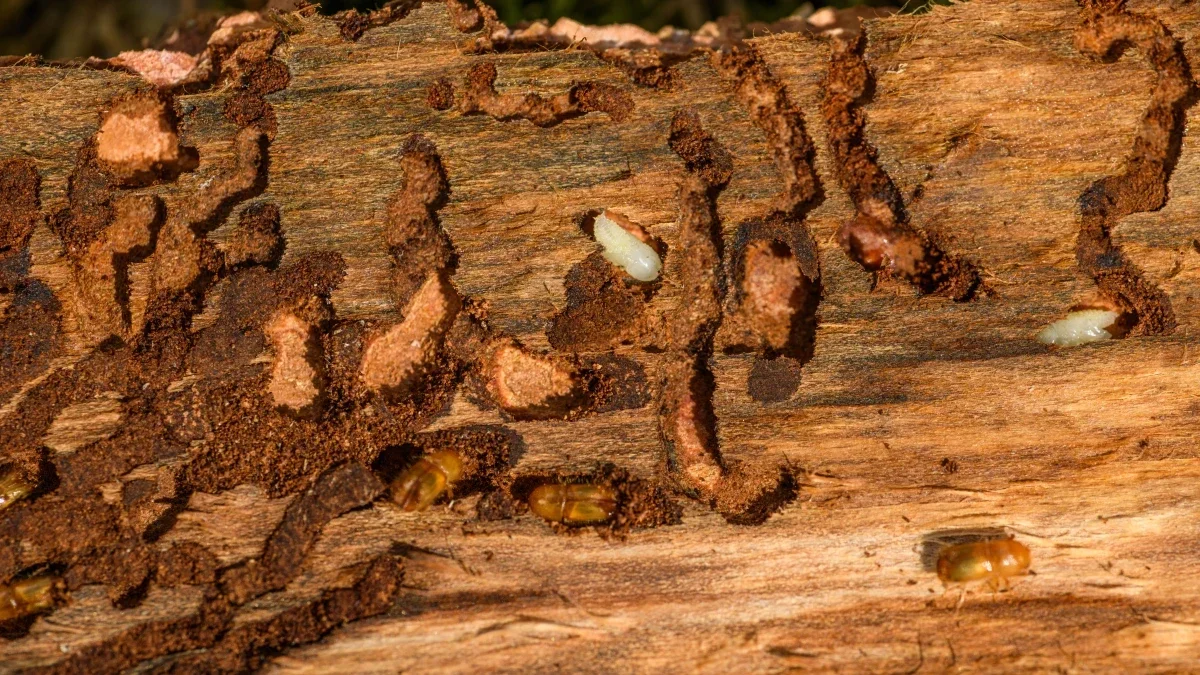
- You suspect termites (or carpenter ants) in the structure. These damage the bones of your house. Getting it wrong is far more expensive than the inspection.
- The infestation is heavy or spreading — think roaches by the dozen, a rodent problem you can't get ahead of, bed bugs, or anything that comes back within days no matter what you do.
In those cases, calling someone isn't giving up. It's usually the cheaper and safer choice once you add up wasted products, damaged property, and your own risk. Knowing where the line is makes you better at DIY, not worse.
Five rules that work on any pest
Whatever's bugging you, these five principles apply. Learn them once and you can adapt to almost anything.
1. Identify before you treat
This is the step everyone skips, and it's the one that wastes the most money. The treatment for one pest can be useless (or backfire) on another. Ant baits are keyed to how ants share food, so the wrong bait gets ignored. Sugar ants and grease ants want different things. A "spider" might be a harmless helper eating other pests. Spend five minutes confirming what you actually have before you spend a dime treating it.
2. Seal and deny
Close the doors and clear the table. Caulk gaps, add door sweeps, fix screens, and stuff steel wool into rodent-sized holes (mice fit through a gap the width of a pencil — about a quarter inch). Then remove the buffet: sealed food containers, no standing water, crumbs wiped, pet food put away at night. This is the prevention work, and it's permanent in a way spraying never is.
3. Least-toxic first
Start with the gentlest thing that could work and escalate only if you need to. Physical removal, traps, and simple barriers come first. Then baits. Chemical sprays are a later resort, not a reflex. This protects your family, your pets, and honestly your wallet, since the mild stuff is usually cheaper.
4. Be patient with bait
Bait feels slow because it's supposed to be. The whole point is that the pest carries it back to the nest and shares it, wiping out the colony you can't see. If you spray the visible ants, you cut off the delivery route and the hidden nest survives. With bait, resist the urge to also spray nearby. Give it a week or two. Slow and complete beats fast and pointless.
5. Keep kids and pets safe
Read the label, every time — it's a legal document and it tells you exactly how to use the product safely. Place baits and traps where curious hands and noses can't reach: behind appliances, inside cabinets, up on ledges. Store everything in its original container, up high and locked away. When in doubt, pick the option you'd feel fine about with a toddler crawling nearby.
Quick reference: DIY or call a pro?
| Situation | Good DIY candidate? | Why |
|---|---|---|
| A trail of ants in the kitchen | Yes | Bait plus cleanup usually solves it |
| A mouse or two in fall | Yes | Traps and sealing entry points work well |
| Small wasp nest you can reach safely | Usually | Doable if no allergies and you can retreat fast |
| Large or high hornet nest | No — call a pro | Sting risk and access make it dangerous |
| Anyone with a sting or pest allergy | No — call a pro | The safety math changes completely |
| Suspected termites or carpenter ants | No — call a pro | Structural damage; inspection is worth it |
| Roaches or bed bugs, more than a couple | No — call a pro | These spread fast and resist DIY treatment |
What this section covers
From here, our pest guides all build on the same foundation you just read. Right now that includes practical, honest walkthroughs for the pests most homeowners actually meet:
- Ants — reading the trail, choosing the right bait, and closing the door behind them.
- Mice and rodents — trap placement that works, and sealing the pencil-width gaps they sneak through.
- Wasps and hornets — how to tell a manageable nest from a call-the-pro nest, and how to treat one safely.
- Natural approaches — the gentler, low-toxicity methods for people with pets, kids, or a general dislike of harsh chemicals.
Each one uses the same five rules. Identify, deny, go gentle first, be patient, stay safe.
Common mistakes
- Spraying the bait ants. The most common self-sabotage there is. Killing the visible foragers stops them from carrying bait home to the colony. Let them walk.
- Treating before identifying. Buying the first product on the shelf for a pest you never confirmed. Half the time it's the wrong tool for the job.
- Skipping the cleanup. Treating the pests but leaving the crumbs, the drip, and the open gap means you're signing up for a rerun.
- Going nuclear on day one. Reaching for the strongest chemical first, around kids and pets, when a trap or a bead of caulk would have done it.
- Ignoring the honest line. Trying to DIY a wall-sized wasp nest or a termite problem to save money, and ending up spending far more.
FAQ
Do I really need to identify the pest first?
Yes, and it's the cheapest step you'll take. Treatments are often specific to one pest's behavior, so the wrong product wastes money and time. Five minutes of confirming what you have saves you a wasted trip to the store.
Are natural methods actually effective?
For prevention and light problems, often yes — sealing gaps, removing food, and simple deterrents go a long way. For a heavy, established infestation, gentle methods usually aren't enough on their own, and that's your cue to escalate or call in help.
How long before I know something worked?
It depends. Traps can show results overnight, while bait meant to reach a hidden colony often needs one to two weeks. If you're using bait, resist the urge to "help it along" by spraying — patience is doing the work.
When is calling a pro the frugal choice, not the lazy one?
Whenever DIY risks your safety or your home's structure: allergies, large or wall-hidden nests, termites, or an infestation that keeps roaring back. In those cases a professional almost always costs less than the wasted products, repairs, and risk you'd take on alone.
The takeaway: master the prevention basics, learn the five rules, and stay honest about where the line is — do that, and you'll handle most of what comes your way for the price of a tube of caulk and a little patience.





0comments