

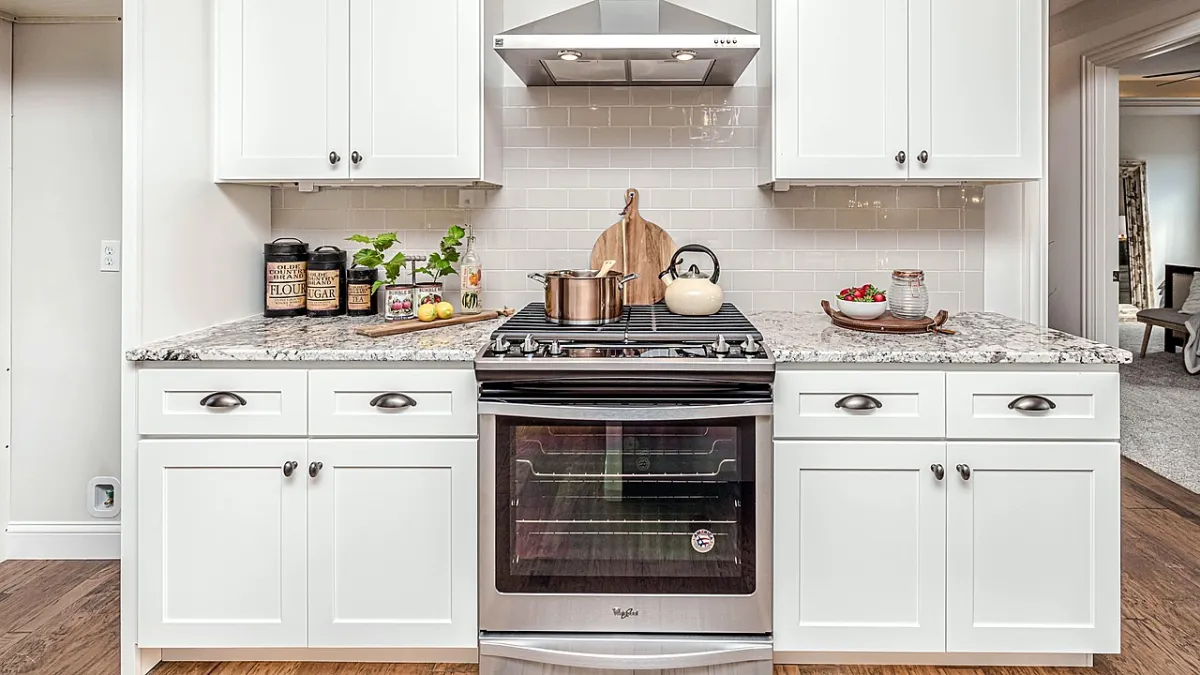
Thanksgiving falls on November 26, 2026, the oven floor is crusted with old spills, and the panel has a Self Clean button. So is a self-cleaning oven safe to run with family and pets at home, and can the heat break the oven before a holiday?
Is the self-cleaning cycle safe?
Whether the cycle is safe depends on who is home and how dirty the oven is. Self-clean failures are uncommon, showing up in only 1 percent of self-cleaning ranges in Consumer Reports' reliability ratings, but in a California test home a gas oven's cycle polluted the air more than any cooking test, and oven makers warn that the fumes can kill some pet birds.
How the common claims hold up:
| Claim | Verdict | Why |
|---|---|---|
| The cycle fills the house with pollutants | REAL | A California test home measured high levels |
| Running it with a pet bird at home | RISKY | Whirlpool: fumes may kill some birds |
| Self-clean ruins most ovens | MYTH | CR: problems in 1 percent of ranges |
| Spraying oven cleaner first | RISKY | GE and Illinois Extension say no |
A 1 percent rate is low, not zero.
What an air test in a real house found
For the California Air Resources Board (CARB), researchers ran 32 cooking tests on gas and electric ranges in a test home in northern California. The ovens were dirtied on purpose before the 2000 tests.
The gas oven's cleaning cycle produced the most pollution of any test, with particles (PM10) peaking above 3,600 micrograms per cubic meter. The electric oven reached nearly 1,000. Formaldehyde during the 5-hour cleaning tests measured 417 micrograms per cubic meter with the gas range and 224 with the electric one; California's 1-hour reference level is 94. Carbon monoxide rose moderately for several hours, going above the state's 8-hour standard of 9 parts per million.
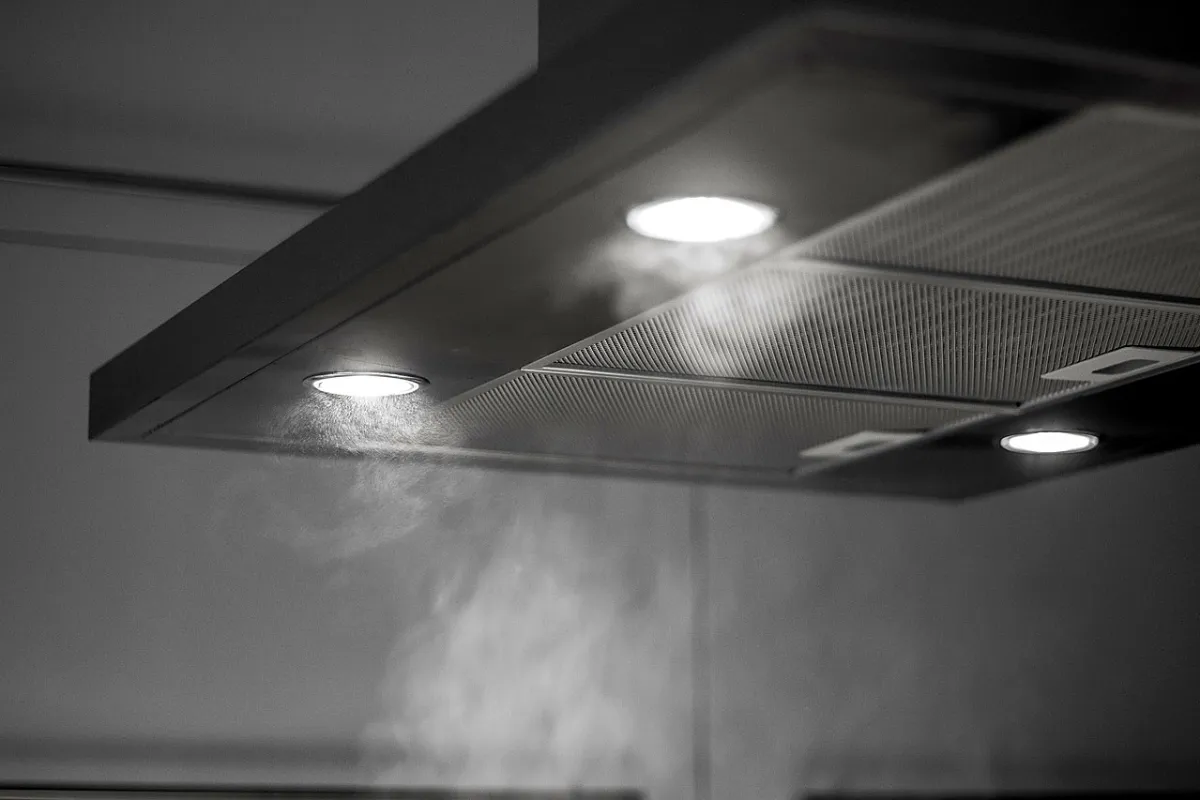
CARB's advice: "Use the self-cleaning oven cycle only when the house is not occupied and is well ventilated, especially during the first hour or two."
Cornell Cooperative Extension in Herkimer County, New York, gave different advice in 2020: "You should stay at home while the oven is self-cleaning just in case anything goes awry," but stay out of the kitchen and vent the room. Either way, a working carbon monoxide alarm helps; see the guide on when smoke and CO detectors expire.
Pet birds: the warning in the manual
Whirlpool's help page says "Exposure to the fumes may result in the death of certain birds" and tells you to always move birds to another closed and well-ventilated room. GE and Samsung print similar warnings.
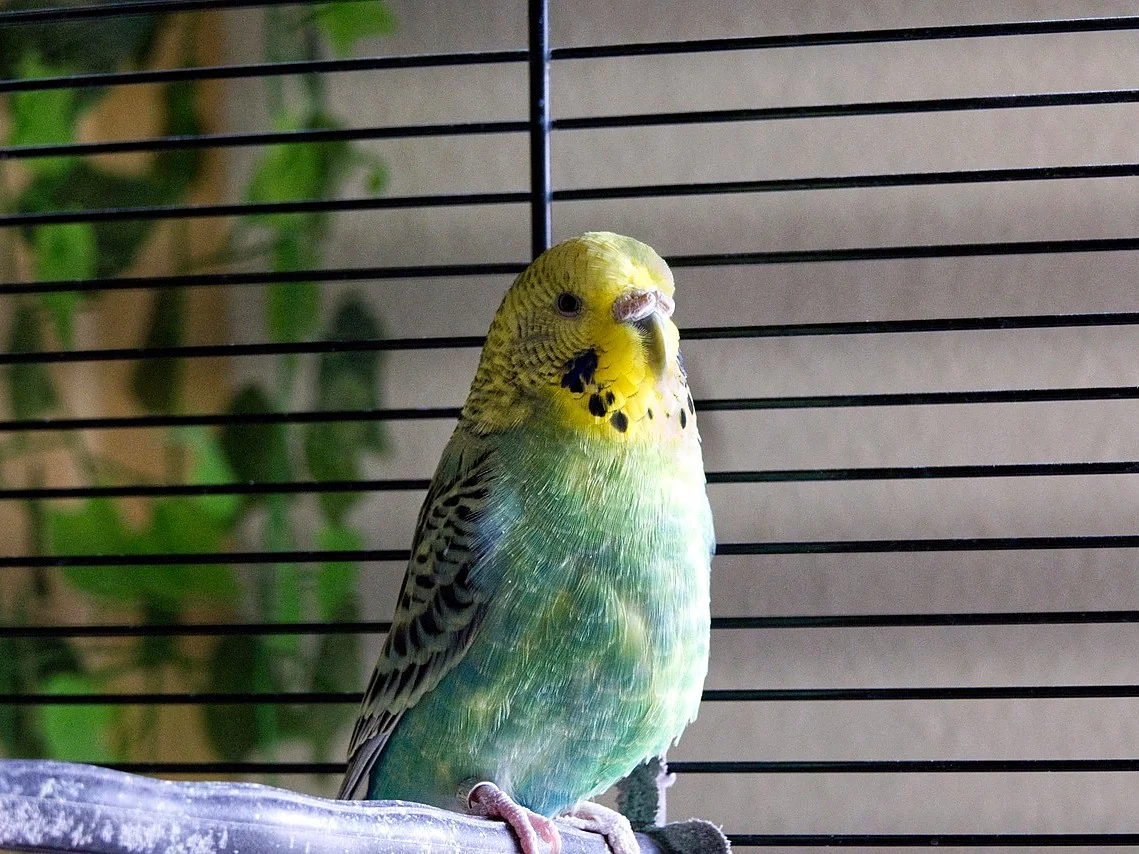
The Merck Veterinary Manual lists "some self-cleaning ovens" among sources of PTFE gas, the same gas overheated nonstick pans give off, and says "Often, the only clinical sign of PTFE gas poisoning is acute death." It names no models. Cornell adds that "you and your pets should stay out of the kitchen."
What the heat can damage
GE says its ovens reach about 880°F during cleaning, for 1.5 to 3 hours depending on the soil.
Whirlpool says the heating and cooling of porcelain on steel "may result in discoloring, loss of gloss, hairline cracks, and popping sounds," and calls that normal. An older GE manual says racks left in will darken and get hard to slide. Whirlpool and LG say to take them out, as does Frigidaire. GE's current page lets self-clean racks stay but says stainless steel racks must come out.
Chris Zeisler of Repair Clinic told Consumer Reports that some parts can break during a cycle: door latches; bake or broil elements; gas-range igniters; gaskets; electrical components. He advised running it several weeks before a big gathering like Thanksgiving.
In 2008, GE recalled about 244,000 wall ovens because self-clean heat could escape if the door had been removed and put back on incorrectly; GE knew of 28 incidents of minor cabinet damage and no injuries.
How to clean an oven without the self-clean cycle
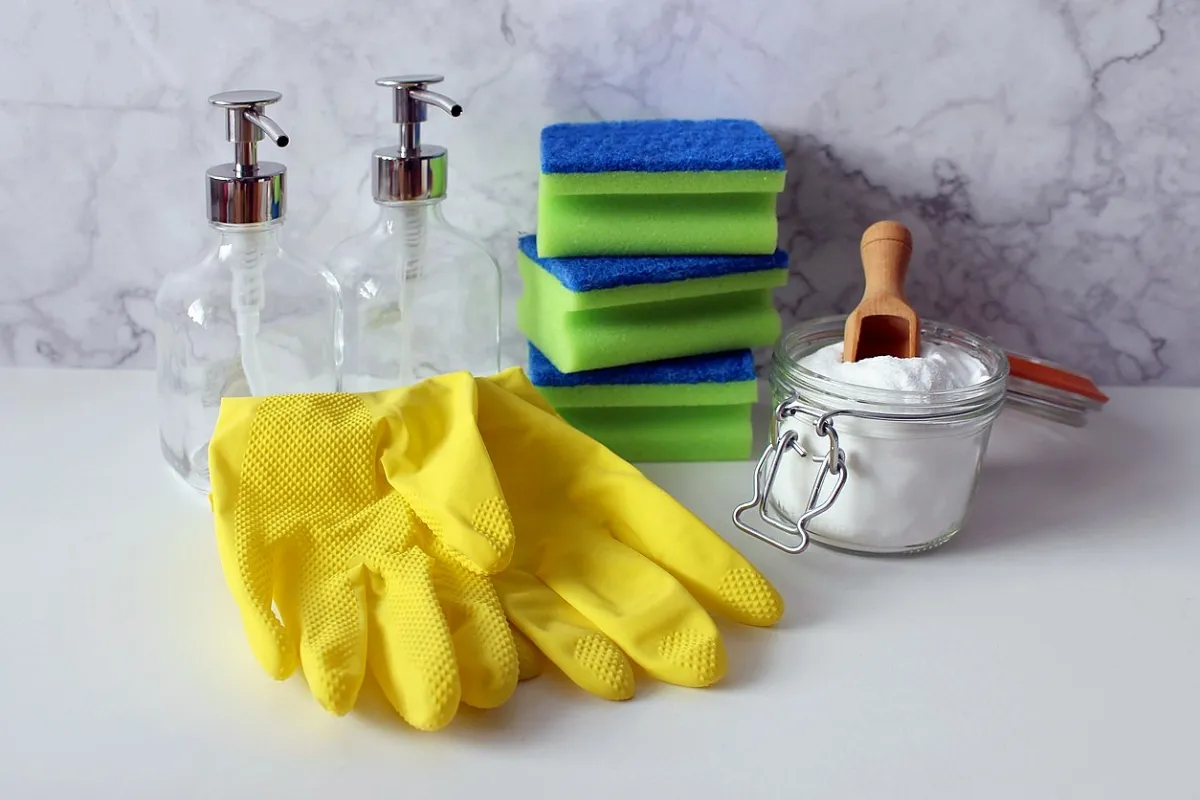
A paste and a pad handle most messes without the heat. Cornell's method: mix 1/2 cup of baking soda with 2 to 3 tablespoons of water and spread it inside, away from an electric heating element or a gas inlet. Close the door for 30 minutes to overnight. Iowa State University Extension finishes with a synthetic scrubbing pad dipped in vinegar. Cornell calls the paste method "by far the safest" for any oven. See also the vinegar and baking soda myth.
A steam setting handles light soil. Whirlpool's AquaLift takes 40 minutes with cool-down, LG says EasyClean works "in just 20 minutes," and GE's Steam Clean takes about 30 minutes with 1 cup of water. For microwaves, see how to clean a microwave with vinegar.
Spray oven cleaner is where sources split. GE and Samsung say no commercial oven cleaner should be used in their self-cleaning ovens, and University of Illinois Extension warns that it "may damage the oven's surface." Easy-Off's Heavy Duty label says "Do not use on self-cleaning or continuous cleaning ovens," but its Fume Free label allows use on self-cleaning ovens, except convection or continuous-cleaning models, "provided that the self-cleaning cycle is not used in combination" with it. When the label and your oven manual disagree, this guide suggests following the manual.
If you run it anyway
Set the kitchen up first. Iowa State says to wipe up spills before starting so the smoke detectors do not go off. Take out the racks and any foil. University of Kentucky Extension wrote in 2006 that the cycle "should never be operated without the exhaust fan on," so run the hood and open windows.
Keep the door shut; LG says forcing the locked door open will damage it. And run the cycle before the oven gets very dirty: Whirlpool says "heavy soil results in longer cleaning and more smoke."
Safety note: Move pet birds to another closed, well-ventilated room before the cycle starts, as Whirlpool advises. Poison Control says most oven cleaners are highly alkaline and can burn skin; always wear gloves, and if cleaner splashes on skin, rinse right away with lots of room-temperature water for at least 15 minutes, then call Poison Control at 1-800-222-1222. Easy-Off Heavy Duty contains lye (sodium hydroxide) and Fume Free contains ethanolamine; both labels say keep them from children, and Heavy Duty says use only with adequate ventilation. Do not open the oven door during the cycle: a 2001 U.S. Consumer Product Safety Commission (CPSC) recall notice warns that letting oxygen in can make leftover material ignite. For the GE wall ovens in the 2008 recall, the CPSC said that if the door was put back on incorrectly, you should not use the self-clean cycle and should call GE for a free repair.
Sources and how we checked
We relied first on a state air agency study, university extension pages, a veterinary manual, CPSC recall notices and Poison Control. Oven makers' manuals and help pages and the cleaner labels came next. All were viewed on November 3, 2026. Consumer Reports is the only consumer magazine cited here; we used it for its own reliability data and for a repair supervisor it quoted. The CPSC pages and the Poison Control tip blocked automated access, so we read Wayback Machine copies. We left out repair-part prices because they vary by model and store.
- California Air Resources Board: Residential Cooking Exposure Study Finds Unhealthful Levels (2001 summary) and Fortmann et al., Indoor Air Quality: Residential Cooking Exposures, final report (November 30, 2001).
- Cornell Cooperative Extension Herkimer County: Cleaning Your Oven for Holiday Roasting and Baking (December 15, 2020).
- Iowa State University Extension and Outreach: Smelly Drains and Grimy Oven? (January 22, 2024).
- University of Illinois Extension: Clean and Sanitize the Kitchen (2025).
- University of Kentucky Cooperative Extension: Clean It Healthy! Clean It Right! (FCS4-412, January 2006).
- Merck Veterinary Manual: Toxicoses of Pet Birds (last updated May 2026).
- U.S. Consumer Product Safety Commission recall notices: GE wall ovens (November 18, 2008); Thermador thermal/microwave ovens (May 17, 2001).
- Poison Control (National Capital Poison Center): Oven cleaners (September 2021 snapshot).
- Consumer Reports: Is It Safe to Run Your Oven's Self-Clean Cycle? (updated November 11, 2024).
- Oven makers: GE Cleaning Options for Your Gas or Electric Oven and owner's manual for JBP ranges; Whirlpool High Temperature Self-Clean Cycle Information and AquaLift Clean cycle; Frigidaire self-clean; Samsung oven cleaning; LG Self Clean and EasyClean vs. Self Clean (April 2026).
- Easy-Off: Heavy Duty Oven Cleaner and Fume Free Oven Cleaner product labels.
Updated: November 3, 2026



0comments