

A water bill that doubles overnight feels like a billing mistake. It almost never is. Before you spend an afternoon on hold with the utility, run two tests that cost nothing but a bottle of food coloring — enough to tell you whether you're chasing a worn rubber part or a buried pipe.
Start here: your meter is probably not wrong
Pittsburgh Water says meters are built so that when they fail they under-register, not over-register, and that accuracy declines in one direction rather than swinging up and back. A bad meter makes your bill smaller. Aransas Pass, Texas adds that it automatically rereads any meter showing a big jump, so the misread theory has usually been checked already.
Rule out two things first. If your meter was recently swapped, the same city notes older meters run slower, so an accurate new one can produce a higher but correct bill. And a change in use pattern is the most common cause of high consumption: houseguests, a pool fill, a new sprinkler schedule. Clear the easy stuff first, as in our library of household fixes.
The limit: a meter can read high; it just isn't the failure mode meters trend toward. Ask for a meter test once the tests below come back clean.
Free test #1: the meter test
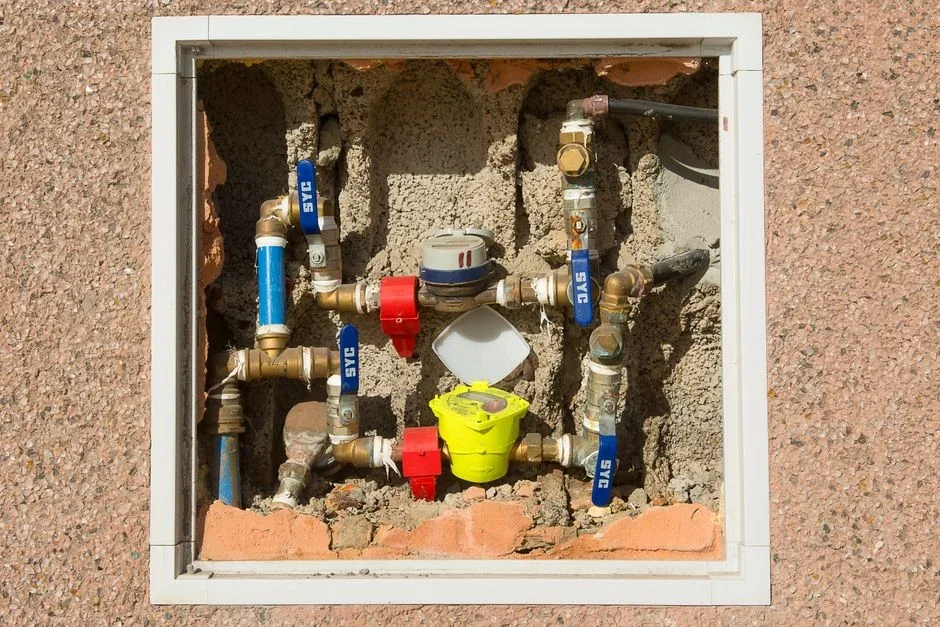
What and how. A go/no-go check on whether water is moving with nothing running. Portland's water bureau says to shut off all water inside and out, then watch the low-flow indicator — a small triangular blue or red dial, sometimes a star or snowflake. Charlottesville, Virginia warns it can take 10 minutes of watching. For slower leaks, EPA WaterSense compares readings two hours apart with zero use.
Why it beats every other step. Close the main shut-off valve — Portland notes it's usually near the water heater — and read again. Meter stops: the leak is inside. Still moving: it's between the meter and the house. That branch decides whether you buy a part or call a trade — the free-diagnosis-first order behind the habit changes that trim an electric bill.
The limit: silent water users wreck this test. Disable the icemaker, any recirculating pump, a softener on a regeneration timer, and the irrigation controller first.
Free test #2: the toilet dye test
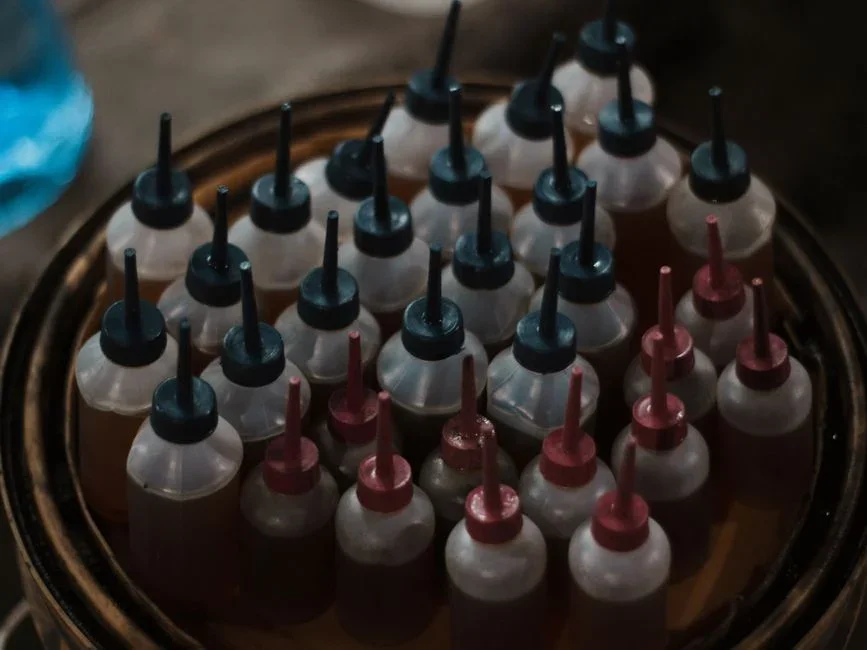
What and how. A free check for water leaving the tank without a flush. Food coloring or a dye tablet goes in the tank, not the bowl. EPA says color in the bowl after 10 minutes means a leak, and Frederick County, Maryland prints the non-negotiable rule in its instruction: do not flush during the wait. Flush right after — EPA says that avoids staining the tank — and repeat on every toilet.
Why the wait is a range. Sources disagree: EPA says 10 minutes, UC Berkeley 15, UF/IFAS Extension 30, Aransas Pass 45 to 60. Ten to fifteen catches an obvious flapper leak; the full hour catches a slow seep.
The limit: this clears toilets and nothing else. Dye clear but the meter still ticking? The water is leaving elsewhere. Charlottesville hands out free dye strips, so ask your utility first.
Why the flapper is suspect number one
EPA WaterSense puts toilets at nearly 30 percent of indoor water use and says most toilet leaks come from worn flappers — the inexpensive rubber, plastic or silicone part controlling flow into the bowl. Once it stops sealing, tank water slides continuously down the drain. UF/IFAS Extension reports a leaky toilet can waste up to 200 gallons a day — an upper bound, not a typical figure — with no puddle and often no sound: the silent flap-valve leak Frederick County describes. Different from a toilet you can hear running, which Aransas Pass puts at 1,000 to 4,000 gallons a day.
The limit: this article names the part and stops. EPA says only that replacement parts don't require a major investment; the swap itself belongs to our roundup of cheap parts that replace a pricey service call.
Outside: irrigation, hose bibs, and the summer spike
If the meter kept moving with the main closed, or the bill balloons only in warm months, the water is going into the ground. EPA puts outdoor use at more than 30 percent of household water, up to 60 percent in arid regions, and above showering and laundry combined. An irrigation leak 1/32nd of an inch across wastes about 6,300 gallons a month, and UF/IFAS Extension estimates roughly 33% is wasted to leaks and misaligned heads. Its tells: sand washed onto the driveway, a spongy patch where grass struggles, a morning puddle on pavement.
Then hose bibs. EPA suggests checking the spigot connection and replacing the hose washer. The bigger trap is leaving the bib open with a hose attached: Frederick County warns hoses aren't built for continuous pressure and nozzle valves are less reliable than the bib valve. Bibs left on in freezing weather can burst pipes; EPA advises a spring check for freeze damage.
The limit: outdoor figures swing hard by climate — read them as scale, not your yard.
The myth: "a leak that big would be visible or audible"
Arithmetic kills this one. Frederick County publishes the loss from a continuous leak at 60 psi — ordinary household pressure:
| Diameter of stream | Water lost per day |
|---|---|
| 1/32 inch | 264 gallons |
| 1/16 inch | 822 gallons |
| 1/8 inch | 3,289 gallons |
| 1/4 inch | 13,128 gallons |
That top row is a stream EPA calls about the thickness of a dime — and none of it makes a puddle if it runs down a drain or into soil. Charlottesville says it flatly: toilet leaks can also be silent. Even a two-drop-per-minute drip runs more than 1,000 gallons a quarter.
The precise version: a leak big enough to wreck your bill is often inaudible through the air — but a pressurized underground line can often be heard through the pipe. Frederick County suggests closing the main valve and putting an ear on the incoming line. So don't overcorrect into "leaks are always silent."
Real, myth, dangerous
| Verdict | Claim | Why |
|---|---|---|
| REAL | A worn flapper is the top indoor suspect | EPA: the cause of most toilet leaks |
| REAL | Two free tests split the whole diagnosis | Meter check, then dye test — both EPA guidance |
| MYTH | "The meter is reading high" | Meters under-register when they fail |
| MYTH | "I'd see or hear a leak that bad" | A dime-thick stream loses 264 gallons a day |
| DANGEROUS | Digging to find a service-line leak | 811 comes first; striking a line can kill |
A last myth, about the numbers themselves: most articles still quote EPA's archived fact sheet — 10,000 gallons, ten percent of homes, 90 gallons a day. The live page now says more than 9,300 gallons a year, nine percent of homes, 50 gallons or more a day. National averages either way: proof hidden leaks are common, not that yours has one.
When to stop: continuous flow, nothing visible
If the meter runs continuously with the house shut off and nothing is visible, suspect the buried service line or piping under the slab. Frederick County's warning signs: wet spots between the meter vault and the house, a persistent hiss, water near the crawl space, lost pressure, bills climbing unexplained.
Ownership surprises people: Portland puts the owner in charge of pipes from the meter to the house, and Denver Water of service lines and meter pits. That pipe is yours — though it's also the category most likely to qualify for the adjustment below.
The hard line: licensed plumber and permit, never a weekend project, never the meter vault — Frederick County says not even licensed plumbers may access it. Any digging requires contacting 811; locators mark lines with paint or flags, need a few business days (notice varies by state), and striking one can cause serious injury or death. Nor does a ticket make digging safe: 811 marks public lines, while private ones — your service line, irrigation piping — are the owner's to locate.
Ask about a leak adjustment — before you fix it
Most utilities have a written leak adjustment policy, and they differ on every axis. Raleigh, North Carolina wants twice your monthly average, once per twelve months, base fees never adjusted. Cobb County, Georgia gives partial credit once in a rolling 12 months, two months at most. Oregon City, Oregon allows one every 24 months, at half the water rate. Frederick County covers underground service lines only, once per house, never interior plumbing, and wants the plumber's receipt with license number plus a permit copy.
The limit: those four show how much policies vary, not what yours will do. So the action is procedural: ask whether a written policy exists, what proof it needs, and whether interior leaks count — then get an itemized receipt with the license number and a permit copy at the time of repair. Nobody gets credit for paperwork they didn't collect. Ask before calling the utility out: Frederick County charges an investigative fee with no adjustment if a toilet, faucet, or hose bib turns out to be the cause.

Common mistakes
- Assuming a misread. Meters under-register when they fail, and big jumps get rechecked.
- Skipping the use-pattern check. Guests and pool fills explain more spikes than leaks.
- Leaving the icemaker, softener, or sprinkler timer live during the meter test. One cycle ruins the reading.
- Dye in the bowl, or flushing during the wait. Either gives a false negative.
- Repairing before asking about an adjustment. The receipt and permit are the claim.
- Digging to find it. Contact 811 first; hire a licensed plumber.
FAQ
Can I ask my utility to test the meter?
Yes, and you should if both tests come back clean. Know the odds: meters under-register when they fail, so a bad one usually means under-billing.
How long should I wait during the dye test?
EPA says 10 minutes, UC Berkeley 15, UF/IFAS 30. Start at 10 to 15; rerun for an hour if the meter moved but the test looked clean.
My bill only spikes in summer. Is it still a leak?
Maybe not. Outdoor use is more than 30 percent of household water, so a new irrigation schedule alone moves the bill. Run the meter test with the controller off: still creeping means a leak on top of the season.
The takeaway: Two free tests tell you within an hour whether you're chasing a worn flapper or a buried pipe — a better answer than any argument with the utility. Spend less. Live more. — The Thrifty Almanac






0comments