

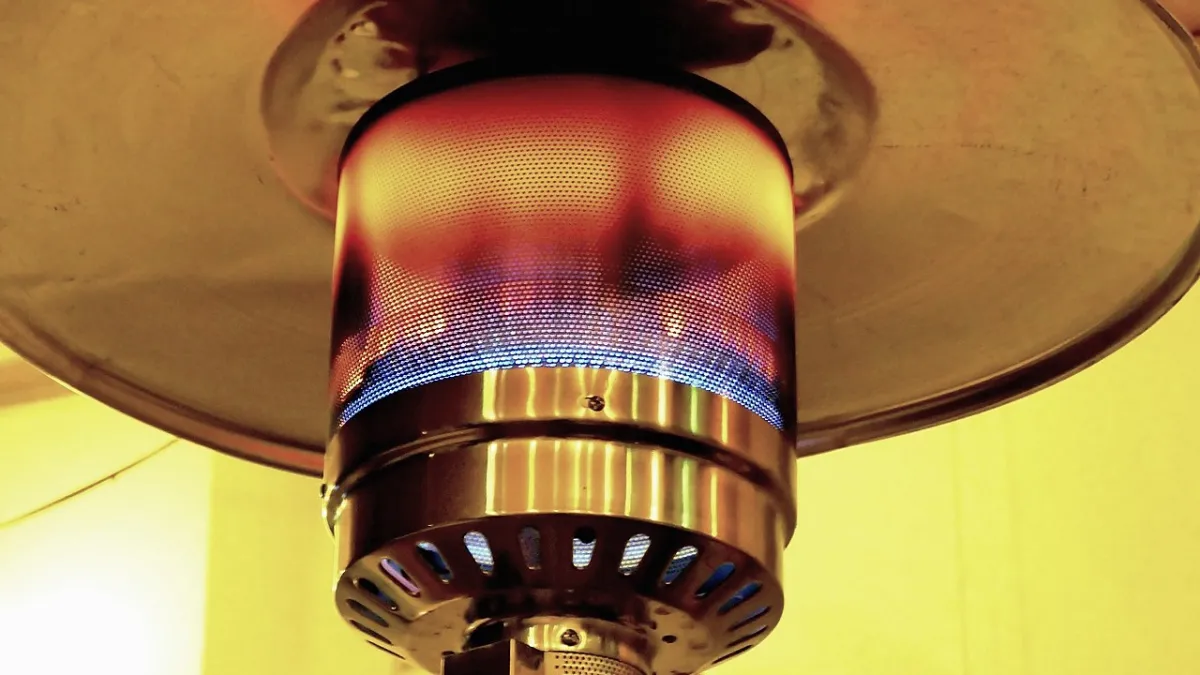
The power goes out on a freezing night and the furnace goes quiet. The propane heater in the garage starts to look like the answer. So can you use a propane heater indoors? The box on one heater says one thing, the box on another says the opposite, and the real answer changes with the heater you own.
This guide covers which propane heaters are made for indoor use, what Mr. Heater's manuals require, what federal carbon monoxide numbers show, and where the answer is no.
Can you use a propane heater indoors? Only a model made for it, run as its manual says
Start with the label on the heater. A propane heater can be used indoors only if it is designed specifically for indoor use, and then only as the manufacturer's directions say and where local rules allow it. The Consumer Product Safety Commission (CPSC) and the US Fire Administration put the first two conditions that way in a 2011 winter alert, and New York City's fire department says propane space heaters are illegal there. For the portable Mr. Heater Buddy models, the directions mean small recreational enclosures with ventilation, or emergency heating from disposable 1 lb cylinders, with openings for fresh air.
The table sorts common heaters by that rule.
| Heater | Indoors? |
|---|---|
| Portable heater labeled for indoor use | Only within the manual's limits |
| Wall-mounted vent-free propane heater | Installed appliance, with room limits |
| Patio or "outdoor use only" heater | No |
| Construction (tank-top) heater | No: not for residential indoor use |
| Gas oven, range, grill, camp stove | No: never for heat; no camp stoves indoors |
Indoor-labeled portable heaters are a narrow group. The US editions of Mr. Heater's manuals for the Portable Buddy (model MH9BX) and the Big Buddy (MH18B) describe them as portable propane heaters for "recreational and emergency indoor use" and say they are certified to ANSI Z21.103-2017, the requirement for unvented portable gas camp heaters for indoor and outdoor use.
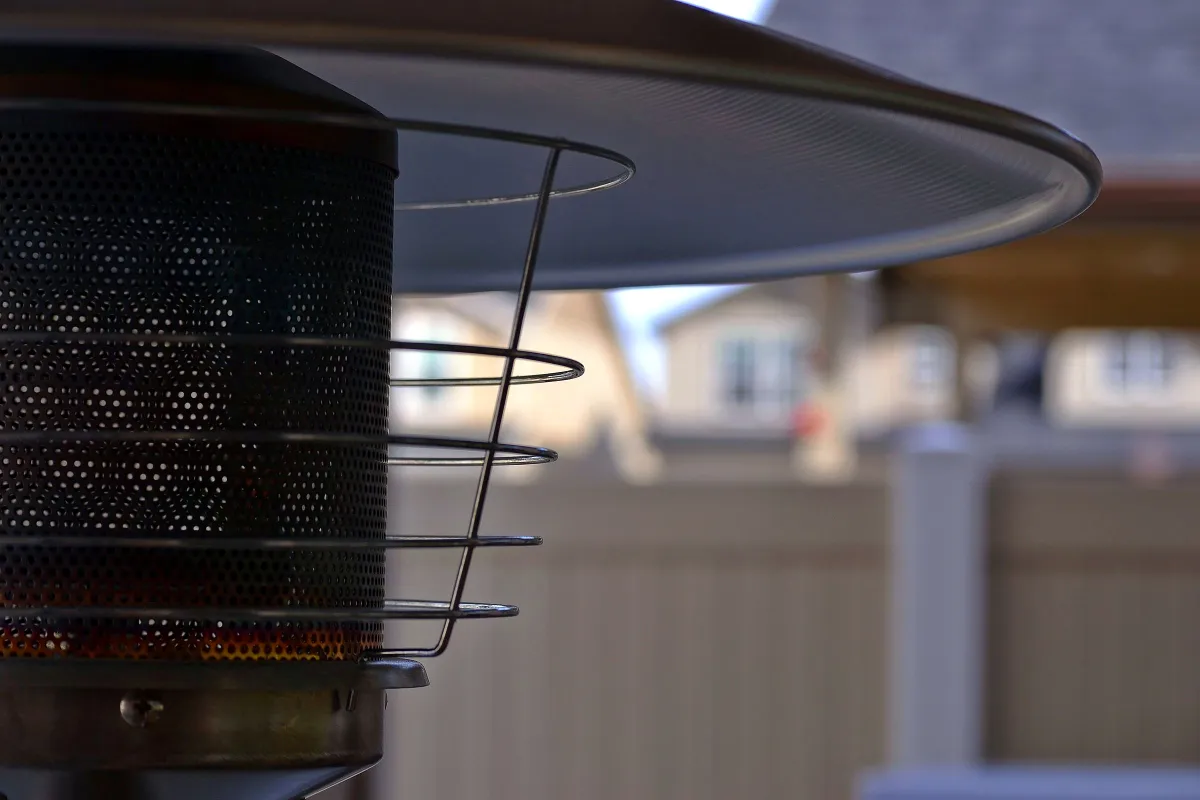
A patio heater carries the opposite label. A Style Selections patio heater manual sold at Lowe's says "For Outdoor Use Only," and North Carolina's Department of Agriculture says heaters specified for outdoor use build up carbon monoxide faster than heaters rated for indoor use.
Construction heaters are a separate case: Mr. Heater's tank-top heater manual (models MH15T and MH30T) is labeled "NOT FOR RESIDENTIAL INDOOR USE."
Gas ovens and ranges are not heaters at all. Grills and camp stoves are not heaters either. The CDC says never to heat a house with a gas oven or use a portable gas camp stove indoors, and Weber's grill guide says its grill "is not intended for and should never be used as a heater."
Wall-mounted vent-free heaters are installed appliances with room limits: Dyna-Glo's manual allows only its smallest series, the BF10 (10,000 BTU maximum), in a bedroom, where it must be mounted to the wall. It does not approve its heaters for bathrooms; the same manual says Massachusetts prohibits unvented propane heaters in bedrooms and bathrooms. CPSC's fact sheet says never to operate unvented fuel-burning appliances in any room where people are sleeping, so the two sources differ on bedrooms. The rest of this guide is about portable heaters.
How many people die: what the federal numbers show
CPSC estimated 274 non-fire carbon monoxide (CO) poisoning deaths tied to consumer products in 2022, and 64% resulted from CO exposure in a home location, a category that also counts places such as detached garages and sheds. Heating systems were associated with an estimated 76 of them (28%), and propane (LP gas) heating with 43. About 70% of those 43 involved unvented portable propane heaters, which CPSC describes as camping heaters or heaters for other temporary spaces.
The report's Table 2 lists estimated deaths from portable LP-gas heaters ranging from 6 to 30 a year between 2012 and 2022, with 30 in 2022 and an average of 25 for 2020 through 2022. CPSC says the estimates for 2018 through 2022 may be only partially complete, and the report does not split these heaters by cylinder size or by whether they have an oxygen sensor, so the count describes the category, not any one model.
For all sources of CO combined, the CDC's January 2026 page says more than 400 Americans die each year from unintentional CO poisoning not linked to fires. A CDC power-outage message says more than 500; the two pages give different totals, and neither gives a separate figure for propane heaters.
What "indoor-safe" requires in a Mr. Heater manual
These conditions come from the US editions of the MH9BX and MH18B manuals. Other models or older manuals can differ.
- The MH9BX manual says the heater is safe for indoor use in small recreational enclosures that have a way to bring in combustion air and ventilation, such as an enclosed porch or a cabin. It also says the heater may be used for emergency indoor heating on a disposable 1 lb propane cylinder. It says not to use the heater inside an enclosure that has no window or roof vent.
- The US Big Buddy manual defines emergency use with two 1 lb cylinders: the permanent heating system is temporarily out of service, heat is needed to prevent damage to the building or its contents, the heater is never left unattended, and it is removed once the permanent appliances work again.
- The MH9BX manual (Rev. F) calls for a vent opening of at least 9 square inches (for example 3 inches by 3 inches) at the ceiling and another at floor level. The MH18B manual asks for 18 square inches (for example 4.25 inches by 4.25 inches) in both places. Both say not to use other fuel-burning appliances inside.
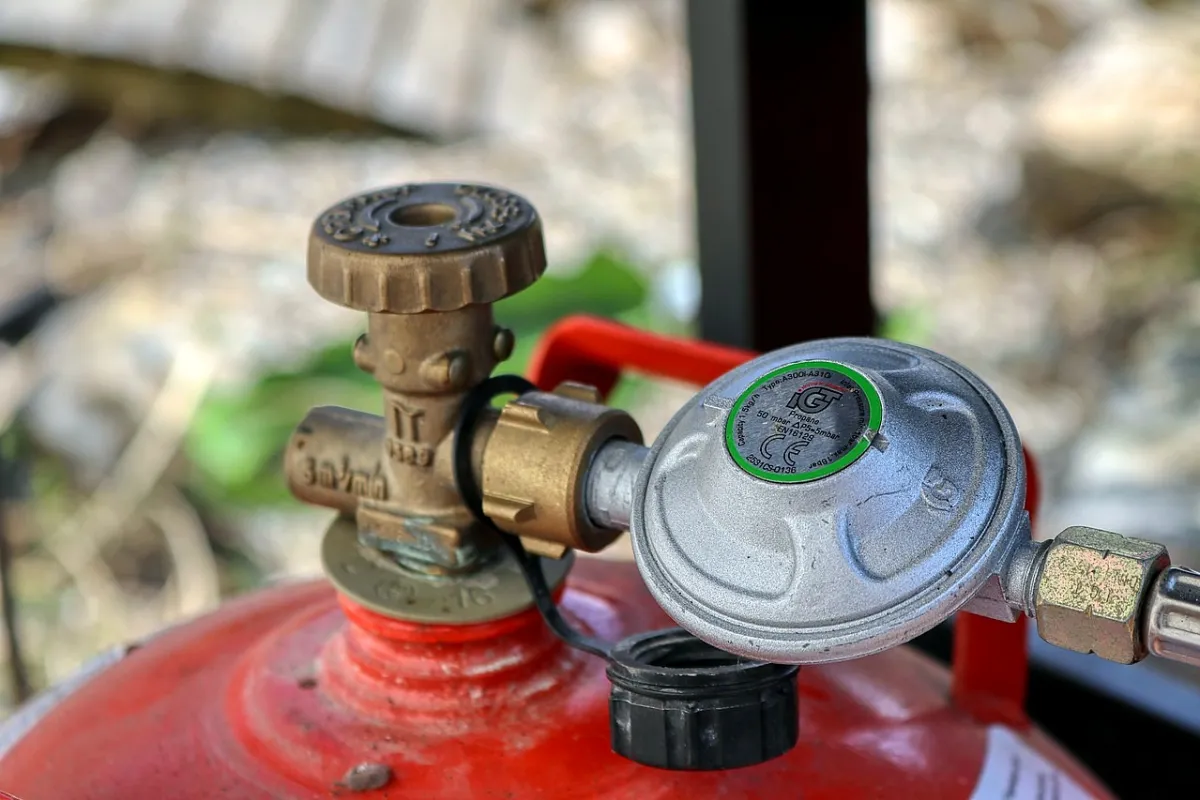
- Both manuals say never to bring a refillable propane cylinder indoors and warn that a fire or explosion can occur and cause serious injury or death. The MH9BX manual says to attach or detach any cylinder outdoors and away from flames, and only once the heater is cool. The US Big Buddy manual allows a remote refillable cylinder of up to 20 lb only when the cylinder is located outdoors and Mr. Heater's hose and fuel filter are used.
- The MH9BX manual says "NEVER OPERATE THE HEATER WHILE SLEEPING!" and not to leave the heater unattended or where children may cause it to tip over. The MH18B manual repeats the sleeping warning. CPSC's carbon monoxide fact sheet goes further and says never to operate unvented fuel-burning appliances in any room where people are sleeping.
- If the heater shuts off, the manual says not to relight it until you provide fresh air, and to have it serviced if it keeps shutting off.
One part of the MH9BX manual needs careful reading. Its specifications table lists bedroom settings, and a line says an emergency-use heater in a bedroom should not be set above 10,000 BTU per hour (5,000 in a bathroom). The bedroom limit is not permission to run the heater overnight: the same manual says never to run it while sleeping, and CPSC's fact sheet is stricter still.
Then there is the safety system. Mr. Heater says it is designed to turn the heater off if not enough fresh air is available, and CPSC's 2011 alert says a heater that meets safety standards will shut off if oxygen levels fall too low. Neither passage says the shutoff detects carbon monoxide. North Carolina's Department of Agriculture warns that a heater with an oxygen depletion sensor (ODS) will generate a higher concentration of CO as it lowers the oxygen in the room, and CPSC says a CO alarm is no substitute for proper use of appliances that can produce CO.
Safety note: Carbon monoxide has no odor, and its common symptoms are headache, dizziness, weakness, upset stomach, vomiting, chest pain and confusion, often described as flu-like, the CDC says. If you notice them while a heater is running, Mr. Heater's manual says to get fresh air at once and have the heater serviced, and CPSC says to get outside, then call 911. The CDC says people who are sleeping or drunk can die before they have symptoms, and North Carolina's agriculture department says not to depend on symptoms in place of a detector. Infants, older adults and people with chronic heart disease, anemia or breathing problems are more likely to get sick, and CO can poison animals too.
Never run a portable propane heater while you sleep or leave it unattended. Keep it where children cannot tip it over, and never bring a refillable cylinder indoors. If you smell gas, Mr. Heater's manual gives four steps: do not light the heater; put out any open flame; disconnect the fuel supply; leave the area immediately. It also gives clearances to combustibles of 24 inches in front, 30 inches above and 6 inches at each side. Use the heater only where the manual's vent openings at the ceiling and floor are provided (at least 9 square inches for the MH9BX and 18 for the MH18B). Never use it in an enclosure with no window or roof vent. Keep a battery-operated or battery backup CO alarm near every sleeping area. If the heater keeps shutting off, have it serviced. If you cannot confirm that it is made for indoor use, do not run it indoors, and check that your city and state allow it.
Where the label or the law says no
Even a heater certified for indoor use can be off limits where you live.
The US edition of the MH9BX manual carries the notice "Not for use in a 'dwelling home' in California," and the US editions of both manuals say "FOR US SALE EXCEPT MASSACHUSETTS." The Canada/Massachusetts edition of the Big Buddy manual instead says "For Outdoor Use Only" and warns against using it in a camper, tent, car or home. The two MH18B manuals give opposite answers for the same model, and neither says why.
Cities and states add their own rules. A page on the Fire Department of New York's safety site says the use of kerosene or propane space heaters is strictly prohibited and illegal in New York City.
Official advice differs. The Oregon State Fire Marshal said in December 2025 to use only heaters intended for indoor use, but the Union County, North Carolina, fire marshal's office told residents in January 2026 never to warm their homes with propane or fuel-burning heaters. A CDC power-outage message says never to use generators, grills or other propane-, gasoline- or charcoal-burning devices inside your home, garage or carport; it does not mention indoor-rated heaters.
If the power is out: CO basics before you light anything
Put these in place before any flame is lit.
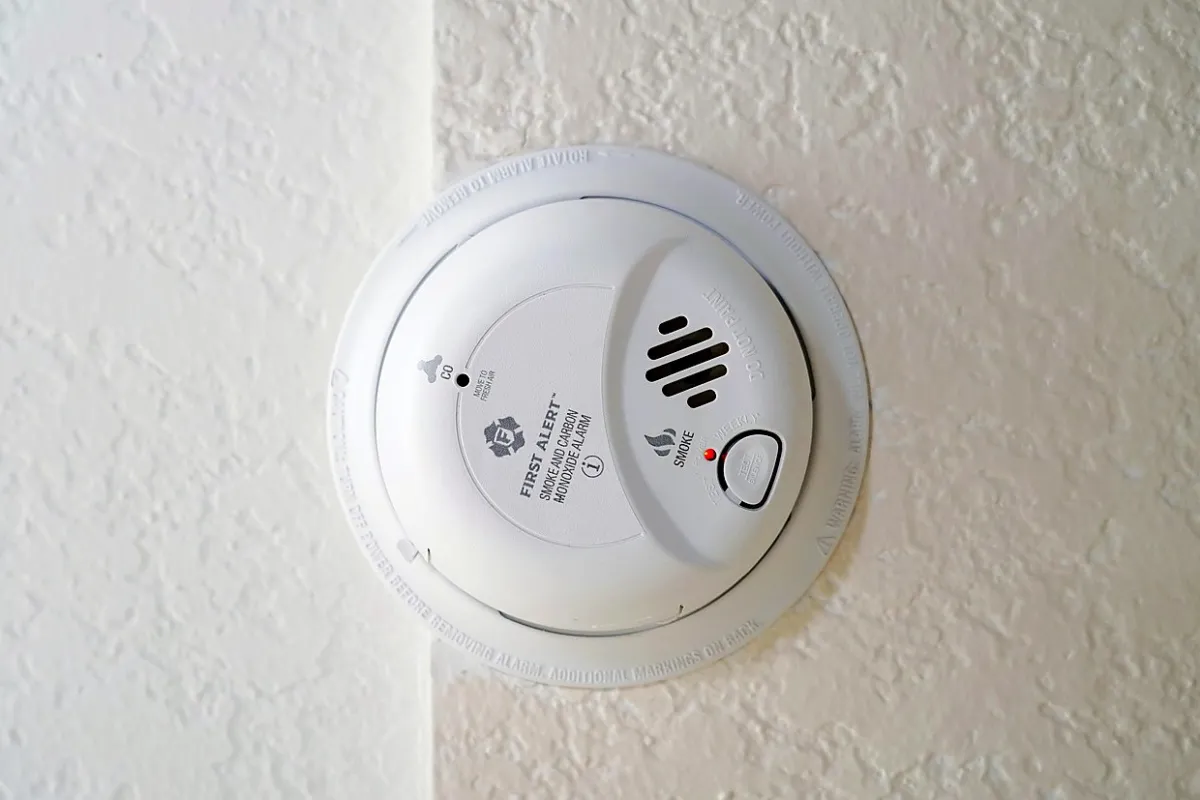
- The CDC says to put battery-operated or battery backup CO detectors near every sleeping area, and CPSC adds every level of the home. CPSC advises against placing them in kitchens or in spots that furniture or drapes can cover. The CDC says to replace a detector following the manufacturer's instructions or every 5 years; the guide to smoke and CO detectors that expire covers where sources disagree.
- Do not heat with a gas oven or range: the CDC names gas ovens; CPSC and Ready.gov add ranges and stoves.
- The CDC says to run generators only outside, more than 20 feet from windows, doors and vents. For other ways to keep a phone and a router running, see the guide to cheap backup power in an outage.
The short list: which claims hold up
The short version, by label:
| Label | Claim | Why |
|---|---|---|
| REAL | Indoor-labeled; within manual and local rules | Emergency use, vents, 1 lb cylinders |
| MYTH | A built-in shutoff makes overnight use safe | Mr. Heater manuals say never while sleeping |
| RISKY | Patio heaters, grills, ovens, refillable cylinders indoors | Labels and agencies say never |
In short: a propane heater belongs indoors only if its label says so, only as its manual allows and only where local rules allow it. Never run it while you sleep. Keep a battery-operated or battery backup CO alarm near where you sleep.
Sources and how we checked
We started from government agencies at every level (the CDC, CPSC, Ready.gov, the North Carolina Department of Agriculture and Consumer Services, the Oregon State Fire Marshal, the Union County, North Carolina, fire marshal, the Fire Department of New York), then read owner's manuals from four brands (Mr. Heater, Dyna-Glo, Style Selections, Weber). Every source was viewed on October 17, 2026. Mr. Heater's own download links returned errors, so we read copies of its manuals hosted by Lowe's and a tool retailer and cannot confirm they are the latest editions. We could not open the New York City fire code or the Massachusetts regulations, so those rules are described through the pages listed below, and we found no statute text banning portable propane heaters in homes statewide; the California and Massachusetts items above come from manufacturers' notices. No figure in this guide comes from a forum or a retailer's blog.
- Centers for Disease Control and Prevention: Carbon Monoxide Poisoning Basics (January 12, 2026); Avoiding carbon monoxide poisoning, public service announcement toolkit (August 26, 2026).
- U.S. Consumer Product Safety Commission: Non-Fire Carbon Monoxide Deaths Associated with the Use of Consumer Products, 2022 Annual Estimates (May 2026); Winter Weather Warning: CPSC and USFA Issue Home Heating Safety Alert (January 20, 2011); Carbon Monoxide Fact Sheet (undated); Carbon Monoxide Information Center (undated).
- Ready.gov (FEMA): Power outages (last updated 06/04/2026 as printed on the page).
- North Carolina Department of Agriculture and Consumer Services: Propane Heater Safety (undated).
- Oregon State Fire Marshal: carbon monoxide safety tips (December 17, 2025). Union County, North Carolina, Fire Marshal's Office: news release (January 25, 2026).
- FDNY Smart: Don't use kerosene or propane space heaters (undated).
- Mr. Heater: Portable Buddy MH9BX owner's manual (Rev. F, copy hosted by Lowe's); Big Buddy MH18B manual, US edition (Rev. A, copy hosted by toolsid); Big Buddy MH18B manual, Canada/Massachusetts edition (copy hosted by toolsid); MH15T and MH30T tank-top heater manual (copy hosted by Lowe's).
- Other manufacturers: Dyna-Glo vent-free wall heater manual (2019 edition); Style Selections gas patio heater manual (undated); Weber Q-series grill owner's guide (undated).
Updated: October 17, 2026



0comments