

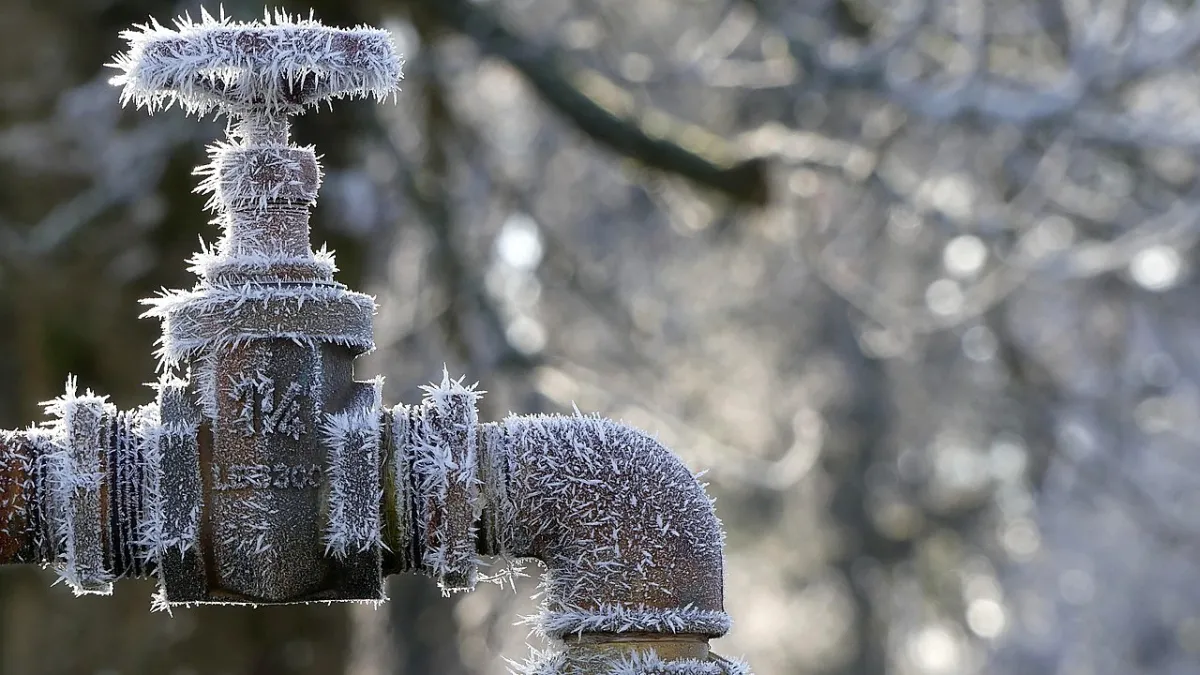
If you are searching for how to prevent frozen pipes before a cold night, the advice arrives as a pile of tricks: drip a faucet, open the cabinets, wrap the pipes, keep the heat on. The bills are not small. In a January 2026 post on frozen pipes, State Farm said more than 20,000 frozen-pipe and winter water damage claims were filed from 2024 through June 2025, totaling over $628 million in paid losses, and that the average claim payment exceeded $30,000.
Two questions come first. Does a dripping faucet actually stop pipes from freezing, and at what outdoor temperature does a pipe really start to freeze? Some popular tricks are also dangerous, so the guide below labels each one real, myth or risky.
Does dripping a faucet stop pipes from freezing?
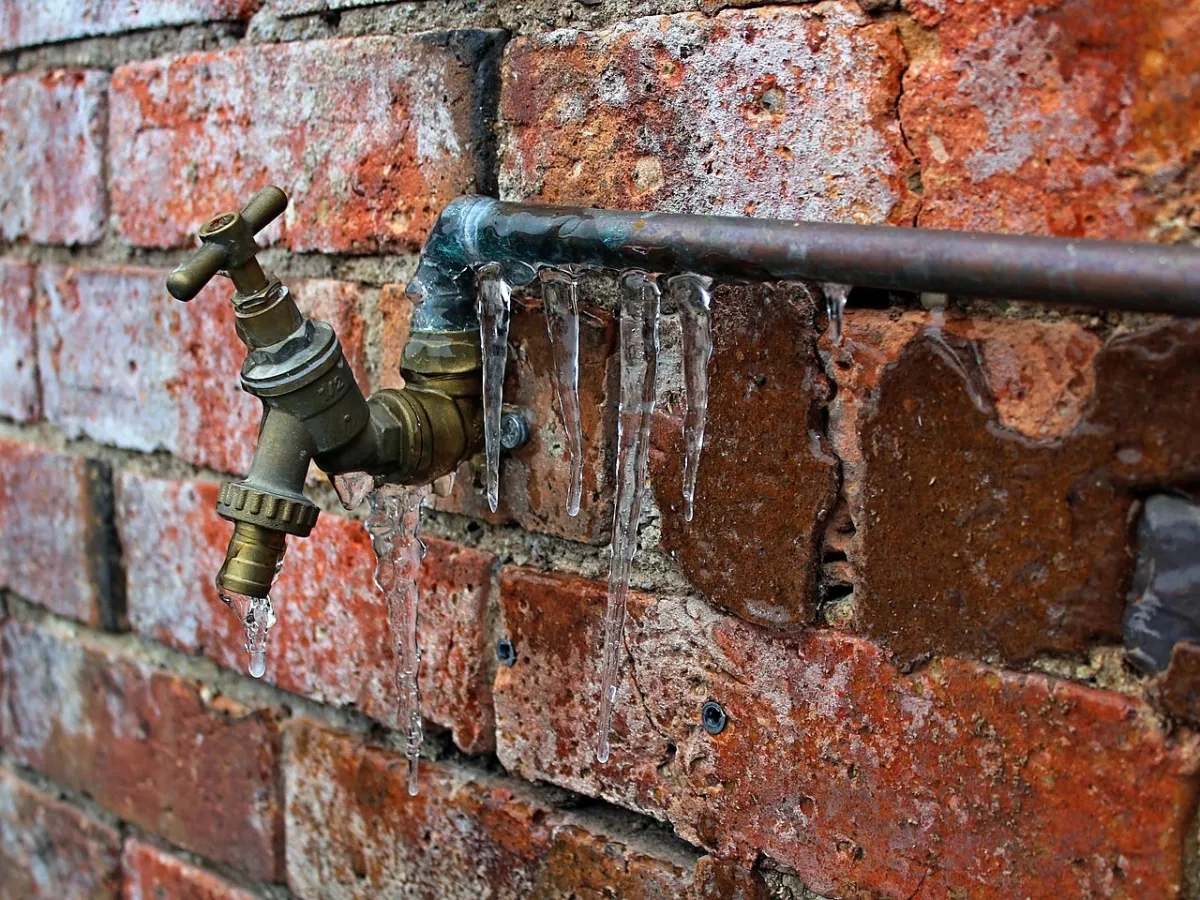
On the night before a hard freeze, one faucet on an outside wall runs at a slow drip. A dripping faucet can delay freezing, but it does not guarantee that pipes stay unfrozen.
A 1996 report by Jeffrey Gordon of the Building Research Council at the University of Illinois tested water pipes in a commercial freezer and copper pipes in an attic at its wood-frame Building Research Laboratory. It called letting the faucet drip "common advice and good advice," then added: "Water flow will delay freezing, but it may not prevent it in all cases."
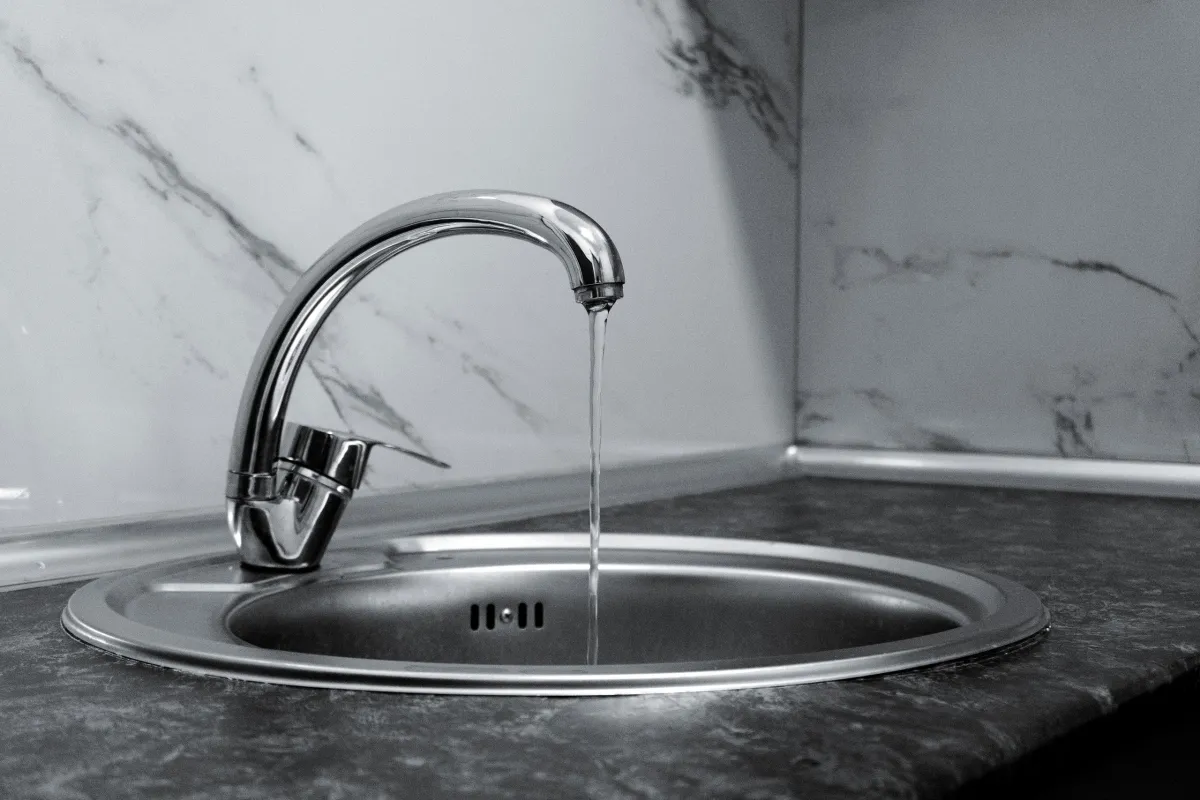
Pipes do not burst because ice pushes outward on the pipe wall; they burst when ice blocks the pipe and further ice growth puts dangerously high pressure on the confined water. By opening a tap even slightly, the report said, pressure relief is provided at the furthest downstream point, which prevents pressure buildup and ultimately bursting. In one test, a garden-hose faucet that was found dripping kept an ice-blocked pipe from going above about 450 psi over 14 hours, more than ten times the roughly 40 psi of the test water system but well below the 4000 psi and up that the report associated with bursting, and the pipe did not burst. The report added that relief at the downstream end would be ineffective if a pipe had two separate ice blockages, a case its tests did not produce.
Many of the agencies cited in this guide recommend dripping, though some urge caution. The American Red Cross says that when the weather is very cold, you should let cold water drip from the faucet served by exposed pipes. The sources differ on how well it works. Utah State Extension, under the heading "Don't count on the running water technique," says leaving a faucet running "will work" but wastes water and should be done only when more permanent methods can't be used. The Illinois report says flow may not prevent freezing in all cases.
So a drip is a real but limited measure: it can delay freezing and relieve pressure, and the idea that it guarantees pipes won't freeze is a myth.
At what temperature do pipes actually freeze?
Water freezes at 32°F, but a pipe's temperature depends on more than the outdoor reading. In University of Illinois field tests, an uninsulated copper pipe sitting outside the attic insulation in a vented attic started to freeze when the outdoor temperature was just at or below 20°F. The researchers explained the gap from 32°F with supercooling, where water stays liquid below its freezing point, and the slightly warmer attic.
That 20°F figure is a worst case: the pipe was uninsulated, it sat outside the attic insulation, and the attic air averaged only 3.2°F warmer than outdoors. The authors proposed 20°F as an alert threshold for the southern United States and expected isolated, infrequent freezing incidents between 20°F and 32°F, noting that holes in a house's exterior shell can play a major role for pipes that would otherwise appear protected.
No single outdoor temperature fits every house, because the report said a pipe's temperature also depends on its place in the building shell, wind, holes or cracks, insulation and the indoor temperature. The table puts the figures from the sources side by side.
| Pipe | Reported | Source |
|---|---|---|
| Bare copper, above attic insulation | Started to freeze at or below 20°F outdoors (measured) | Illinois, 1996 |
| Water pipes in general | Could freeze and burst at 20°F or below | Texas A&M |
| South Carolina home pipes | Some may freeze: 2+ cold days or single digits | Clemson, 2026 |
| Insulated copper, 5°F, 5 mph wind | About 2.9 hours to freeze (calculated) | Clemson, 2026 |
What sits behind each row: the Illinois pipe was bare copper outside the attic insulation in a vented attic, and its 20°F was measured. Texas A&M's figure is adapted from the Red Cross and the Insurance Institute for Business & Home Safety (IBHS), so it is not an independent test. Clemson says some pipes under homes may freeze after extended cold spells (two days or more) or single-digit temperatures, depending on pipe location, such as near an open crawlspace vent. Its 2.9 hours is a calculation, not a measurement: a 0.5-inch copper pipe with 0.5 inch of insulation, 20 feet exposed, no flow, a 5 mph wind and 5°F air, counted from the moment the water reaches 32°F.
The Illinois tests used pipes in a freezer and in an attic, not inside exterior walls, where the report said the placement and installation of the pipes are critical to their vulnerability to freezing temperatures. The table's figures are also tied to southern conditions: Illinois proposed 20°F as an alert threshold for the southern United States, Clemson says its recommendations are for South Carolina conditions and "may not apply to other areas," and Texas A&M addresses homeowners in the south. This guide suggests having protection in place before the temperature drops to 20°F, and not treating 20°F as a safe line, because the same report expected occasional freezes between 20°F and 32°F. The Red Cross frozen-pipes page, viewed October 16, 2026, gives no outdoor temperature threshold for freezing.
How much water does dripping use, and which faucet?
Greenville Water in South Carolina said in January 2026 that dripping a faucet all day during freezing temperatures uses approximately one gallon of water, costing just pennies. Mississippi State University Extension said its recommended trickle will fill a gallon pitcher in about an hour. At one gallon an hour, a faucet would use 24 gallons a day, 24 times Greenville's figure, and neither page explains the gap.
Clemson Extension's March 2026 fact sheet says there is no single flow rate answer for every situation in South Carolina. For a 20-foot stretch of 0.5-inch copper pipe at 5°F with a 5 mph wind and 55°F water, its calculation found that about 2.42 gallons per hour keeps a bare pipe from freezing, and 0.57 gallons per hour with 0.5 inch of insulation.
Greenville Water priced 1,000 gallons of its water at approximately $2.43, so 24 gallons a day comes to about 6 cents, and Clemson's 2.42 gallons per hour (about 58 gallons a day) to about 14 cents.
- Which faucet: Mississippi State says the faucet farthest from your water meter will draw water all the way through the house, and Nebraska Extension and Oklahoma State say one on an outside wall.
- Hot or cold: Mississippi State and the Red Cross say cold water, Nebraska Extension says warm water, and the Illinois report says both, because hot and cold water reach a fixture in separate lines that can each freeze.
- When to start and stop: the Red Cross says when it is very cold, Greenville Water says when the temperature drops below freezing (32°), and the Illinois report says to keep the faucet slightly open even if the dripping slows or stops.
Check these before you drip:
- Houston's water system: Houston Public Works, in a 2025 statement that KPRC 2 quoted in January 2026, "does NOT advise people to drip their faucets" because its system runs on re-pump stations rather than water towers, and a mass amount of people dripping could hurt the system's water pressure. The same article says homes on water-tower systems should keep faucets trickling, and quotes the City of Katy saying to let cold water drip. Ask your water utility which kind of system you are on, and follow its advice.
- Septic: ask your septic professional first. The University of Minnesota's septic program says that when freezing is a concern, raising low water use to normal use can help, but "DO NOT leave water running all the time, as this will hydraulically overload the system." For a system that has already frozen, it says "Do not run water continually to try to unfreeze system."
Cheap ways to protect pipes, with prices
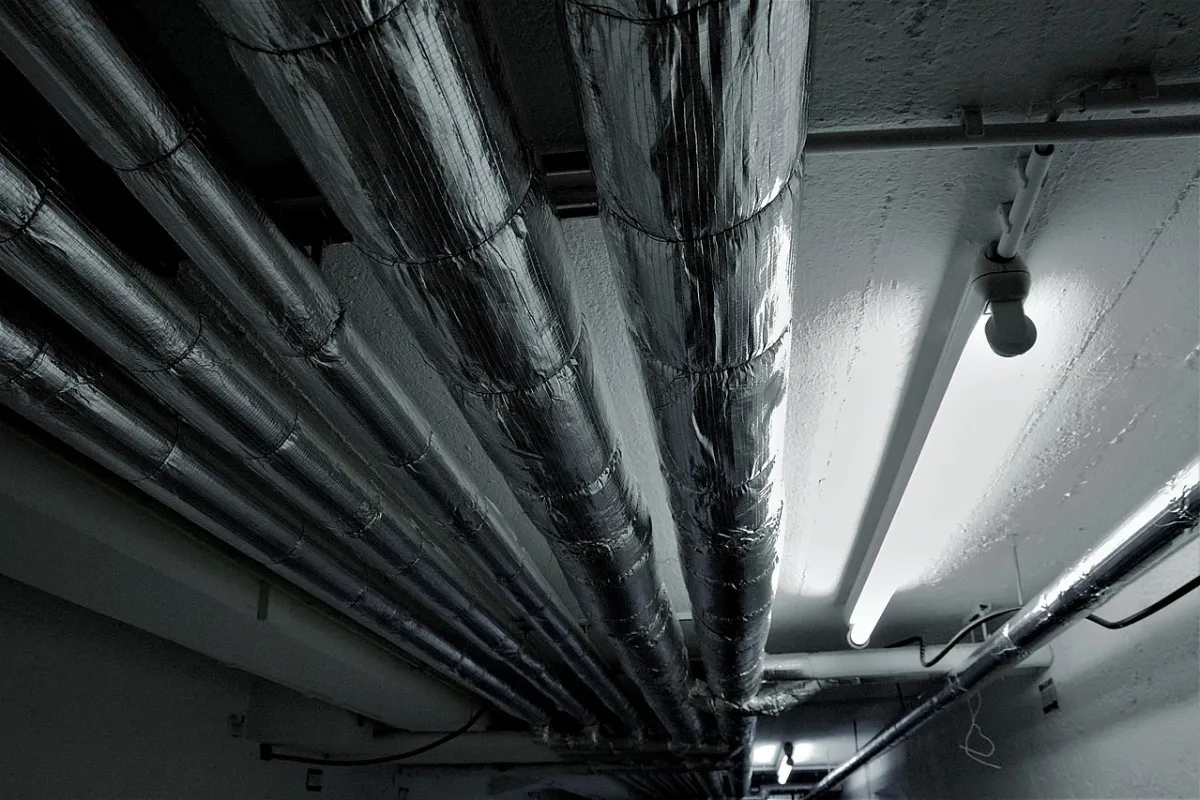
In Illinois freezer tests at 20°F, 1/8 inch of insulation delayed ice blockage by 3 hours and 5/8 inch by 8 hours. Utah State Extension adds the limit: "insulation will not protect pipes from prolonged freezing temperatures unless there is some source of heat and/or periodic water flow." The Illinois report said commercial insulation 1 inch or thicker "will outperform the thinner hardware store variety," stressed installing it without gaps, and warned that a poor pipe insulation job could be more hazardous than no insulation at all.
The prices below were checked on October 16, 2026.
| Item | Price range | Retailers |
|---|---|---|
| Foam pipe sleeve, 6 ft | $2.68–$4.59 | Lowe's, Ace |
| Basic faucet cover | $4.58–$11.99 | Lowe's, Ace |
| Heat cable with thermostat | About $32–$55 | Lowe's, Ace, Walmart |
| Frost-free outdoor faucet | $38.98–$69.99 | Lowe's, Ace |
Price by retailer, checked October 16, 2026:
- Foam pipe sleeve, 6 ft, for 1/2 to 1 inch pipe (no heat cable): Lowe's $2.68–$3.98, Ace $3.59–$4.59.
- Basic faucet cover (foam, plastic or fabric): Lowe's $4.58–$8.97, Ace $7.99–$11.99.
- Heat cable with built-in thermostat, 6 to 30 ft: Walmart.com $36.99 for 24 ft, Lowe's $31.98–$53.98, Ace $35.99–$54.99.
- Frost-free outdoor faucet (sillcock), faucet only: Lowe's $38.98–$59.98, Ace $69.99.
Lowe's and Ace prices are for the default store each site picked, in Alaska, so yours may differ by location. The foam sleeve is priced for pipe without heat cable; over a heat cable, use the insulation its label allows.
Cabinet doors cost nothing. The Red Cross says to open kitchen and bathroom cabinet doors so warmer air circulates around the plumbing, and to move harmful cleaners and household chemicals up out of the reach of children. Mississippi State says opening them helps, typically in kitchens and bathrooms, but that most pipe problems happen in less accessible places.
Air leaks matter too: the National Weather Service's New York office says cracks and holes in outside walls and foundations near water pipes should be sealed with caulk to keep the cold air out. Caulk and weatherstripping are covered in the guide to draft-proofing windows and doors.
Outdoor faucets and hose bibs
The Red Cross lists outdoor hose bibs among the pipes exposed to severe cold that freeze most often, and it gives four steps for them:
- Remove, drain and store hoses used outdoors.
- Close the inside valves that supply outdoor hose bibs.
- Open the outside hose bibs so water can drain.
- Keep the outside valve open so any water left in the pipe can expand without breaking it.
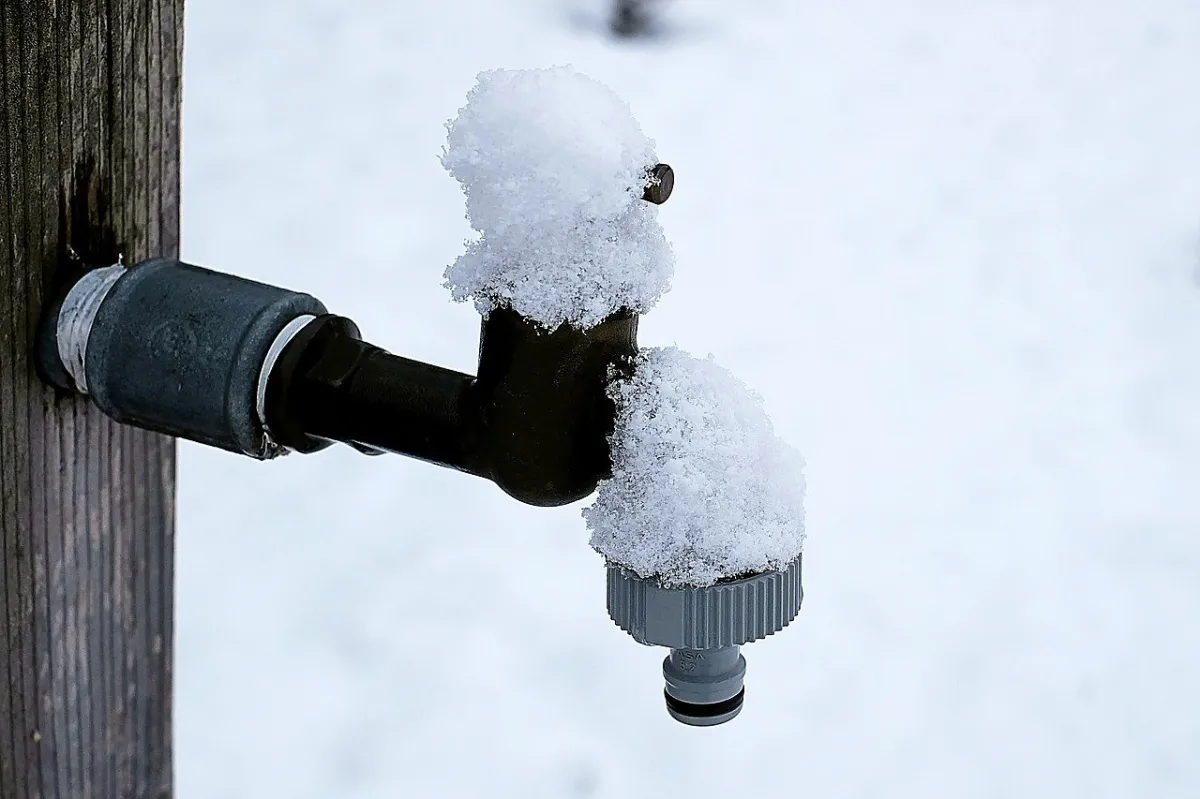
If you don't have frostproof outdoor faucets, the IBHS says to shut off and insulate the valves, and that homes built before 2010 typically don't have them. Missouri Extension suggests an insulating foam dome or other covering over the faucets. A basic cover costs $4.58–$11.99 and a frost-free faucet $38.98–$69.99, from the price table above.
If you are away or the power goes out
Freezing weather while you are away, or with the power off, takes away the heat the other fixes rely on. If you will be going away during cold weather, the Red Cross says to leave the heat on, set to a temperature no lower than 55°F, and the IBHS and State Farm also say at least 55°F; the winter thermostat guide covers the usual setback rules. The Illinois report warned that turning thermostats down when leaving home for a few days multiplies the likelihood of freezing if vulnerable pipes already exist.
For more than a week away with subfreezing temperatures ongoing or in the forecast, the IBHS says to consider shutting off the water by closing the main valve slowly and letting a couple of faucets slowly drain on the lowest floor. State Farm notes that shutting off water can prevent freezing but disables fire sprinklers.
In a power outage, the IBHS says indoor temperatures can drop quickly to dangerous levels, and advises opening cabinet doors and letting faucets drip. Heat tape and cable cannot help: the Illinois report said they will not work in a power outage. For keeping lights and Wi-Fi running during an outage, see the guide to cheap backup power.
What to do if a pipe has already frozen
If you turn on a faucet and only a trickle comes out, the Red Cross says to suspect a frozen pipe; likely places are against exterior walls or where your water service enters your home through the foundation.
- Keep the faucet open. The Red Cross says running water through the pipe helps melt the ice.
- Heat the pipe gradually. The Red Cross lists an electric heating pad wrapped around the pipe, an electric hair dryer, a portable space heater kept away from flammable materials, or towels soaked in hot water, and Utah State Extension says not to use boiling water, to avoid burns. The safety note below covers electrical cords and water.
- Work from the open faucet toward the frozen section, NC State Extension says, so steam is not trapped by ice and does not burst the pipe.
The sources split on doing it yourself. The Red Cross gives the methods above and says to call a licensed plumber if you cannot find the frozen area, cannot reach it or cannot thaw the pipe. NC State Extension says thawing yourself can lead to greater damage and can be a hazard, and tells readers to call a plumber.
The frozen pipe may already be broken, Texas A&M AgriLife Extension warns, and it will leak when the water thaws; if so, turn off the main water valve to the home until the leak is repaired. Utah State Extension puts the main valve earlier: if you thaw a pipe yourself, it says to shut off the main supply line first. State Farm says that if pipes burst you should shut off the main water valve, leave faucets open and contact your insurance company. If the water bill jumps after a freeze, the hidden-leak guide explains the meter check.
Tricks that are risky
Three tricks to avoid: open flames, car antifreeze and heat tape used against its label.
- Open flame: the Red Cross says not to use a blowtorch, kerosene or propane heater, charcoal stove or other open flame device. Missouri Extension explains why: a blowtorch can make water in a frozen pipe boil and cause the pipe to explode.
- Car antifreeze: the Red Cross says not to put antifreeze in pool or sprinkler lines unless directed, because it is dangerous to humans, pets, wildlife and landscaping. A Michigan state policy for public drinking water supplies says ethylene glycol antifreeze, the type used in car radiators, must never be used in drinking water distribution systems and is a poison, and the CDC's ATSDR says untreated ethylene glycol poisoning can be fatal.
- Heat tape: the Consumer Product Safety Commission (CPSC) estimated in 1996 that each year about 1,500 fires, 10 deaths and 100 injuries resulted from faulty electric heat tapes. That is a 1996 estimate.
Heat cable labels are strict, and they differ by model, so follow the one on your product. Frost King and EasyHeat's AHB cable both say never to let the cable touch or cross itself, never to spiral it around the pipe, never to install it in walls, floors or ceilings, and never to use more than 1/2 inch of fiberglass or other non-flammable pipe insulation over it. EasyHeat's AHB manual allows foam insulation only if it is non-flammable, and CPSC's 1996 heat tape guidance says not to use foam or vinyl insulation that could catch fire from a failing heat tape, so check which insulation your cable's label allows before you wrap it. They differ on GFCI protection: EasyHeat's AHB manual says the cable requires it, Frost King says it strongly recommends it, and CPSC says to plug heat tapes into an outlet protected by a GFCI. EasyHeat's HB cable, which has no built-in thermostat, is for metal pipes only and says never to use thermal insulation or overwrap on it.
Safety note: Do not thaw a frozen pipe with a blowtorch, a kerosene or propane heater, a charcoal stove or any other open flame, the Red Cross says; Texas A&M adds that such devices release lethal carbon monoxide fumes. Do not pour car antifreeze into drinking-water plumbing. If you use heat cable, follow the label for your exact model, never let it touch, cross or overlap itself, never install it inside walls, floors or ceilings, and cover it only as the label allows (EasyHeat's HB label says not to insulate it at all), never with foam or vinyl that could catch fire from a failing cable, the CPSC says.
Keep electrical cords, heating pads, hair dryers and heaters out of any water, and do not use them while you stand in water or beside pooled water: a pipe that is thawing may leak, Texas A&M says electrical cords must not come into contact with water, and Utah State Extension says to be cautious using electrical appliances in wet locations. NC State Extension adds a warning about electric shock in and around water.
If you cannot find, reach or thaw the frozen section, call a licensed plumber.
Real, myth or risky: the short list
Here is the short version, grouped by label.
| Label | Trick | Why |
|---|---|---|
| REAL | Wrap pipes, seal air leaks, keep heat on; drip if your utility and septic pro allow it | Cheap fixes, drip checks |
| MYTH | A dripping faucet guarantees pipes won't freeze | Drip section |
| RISKY | Open flame thawing, car antifreeze in drinking-water pipes, heat tape against its label | Risky tricks |
In short: protect the pipe and the room around it first, use a drip as a backup, and keep flames and car antifreeze away from the plumbing.
Sources and how we checked
We started from agency, university-extension and insurer sources (the University of Illinois, Clemson, Mississippi State, Nebraska, Oklahoma State, Missouri, Utah State and NC State Extension, Texas A&M AgriLife Extension, the University of Minnesota's septic program, the American Red Cross, the Insurance Institute for Business & Home Safety, the National Weather Service, State Farm, CPSC, a Michigan state policy, the CDC's ATSDR, KPRC 2 and one water utility), added manufacturer labels for heat cable, and took prices from Lowe's, Ace and Walmart.com on October 16, 2026. We found no controlled test comparing a dripping faucet with a closed one, so the advice rests on the Illinois report's measurements, a Clemson calculation and agency recommendations. We found no second study that measured the outdoor temperature at which pipes freeze, and no source on how dripping a supply faucet affects a septic system. Cost figures in the dripping section are our arithmetic: 24 gallons a day is 1 gallon per hour for 24 hours, about 58 gallons a day is 2.42 gallons per hour for 24 hours, and the cents use Greenville Water's price of approximately $2.43 per 1,000 gallons. Lowe's and Ace prices come from the stores their sites selected by default, in Alaska, and we left out Home Depot and Amazon because their pages could not be read as national prices. Several agency pages block automated readers, so we read the Clemson, Texas A&M, Missouri Extension, Oklahoma State Extension, Minnesota septic, CPSC and Michigan pages from Internet Archive copies. Every source was viewed on October 16, 2026.
- University of Illinois Building Research Council: Jeffrey R. Gordon, An Investigation into Freezing and Bursting Water Pipes in Residential Construction, Research Report 96-1 (1996).
- American Red Cross: Preventing & Thawing Frozen Pipes.
- State Farm: Frozen pipes, not so nice (January 2026).
- Insurance Institute for Business & Home Safety: Winter Weather Ready guide (November 14, 2024); Winter Ready guides (November 16, 2023).
- National Weather Service, New York: extreme cold public statement (December 26, 2017).
- Clemson Extension: Preventing Pipe Freezing by Flowing Water in South Carolina Homes (March 3, 2026).
- Texas A&M AgriLife Extension: Winter storms and frozen pipes (PDF).
- Greenville Water: Winter Preparedness: Best Practices for Preventing Frozen Pipes (January 21, 2026).
- Mississippi State University Extension: How to Properly Drip a Water Faucet (undated).
- Nebraska Extension: Problematic frozen pipes can be prevented (October 29, 2021).
- Oklahoma State University Extension: Take Steps To Prevent Water Pipes From Freezing (Internet Archive copy saved January 23, 2026).
- University of Missouri Extension: Frozen pipes create big problems during cold weather (December 12, 2017; Internet Archive copy).
- Utah State University Extension: Advice to prevent frozen pipes (January 4, 2016).
- NC State Extension: Preventing frozen pipes (January 2, 2018).
- KPRC 2 (Click2Houston): To drip or not to drip faucets? (January 21, 2026, updated January 30, 2026).
- University of Minnesota Onsite Sewage Treatment Program: Seasonal care (Internet Archive copy saved June 8, 2026).
- U.S. Consumer Product Safety Commission: CPSC re-issues heat tape guidelines (January 22, 1996; Internet Archive copy).
- Michigan drinking-water policy DWMAD-399-030: Approved Methods to Winterize Distribution Piping (effective May 1, 2017; Internet Archive copy).
- Agency for Toxic Substances and Disease Registry (CDC): Ethylene Glycol and Propylene Glycol Toxicity: What is Ethylene Glycol? (last reviewed October 6, 2022).
- Manufacturer labels, used only for the heat cable instructions: EasyHeat AHB owner's manual (Rev. 11, 2017); EasyHeat HB installation instructions (2013); Frost King heat cable instructions.
- Prices, checked October 16, 2026: Lowe's Frost King pipe sleeve, EasyHeat AHB cable, frost-free sillcock search; Ace pipe insulation, Easy Heat AHB cable, Arrowhead frost-free hydrant; Walmart.com Frost King HC24A.
Updated: October 16, 2026



0comments