

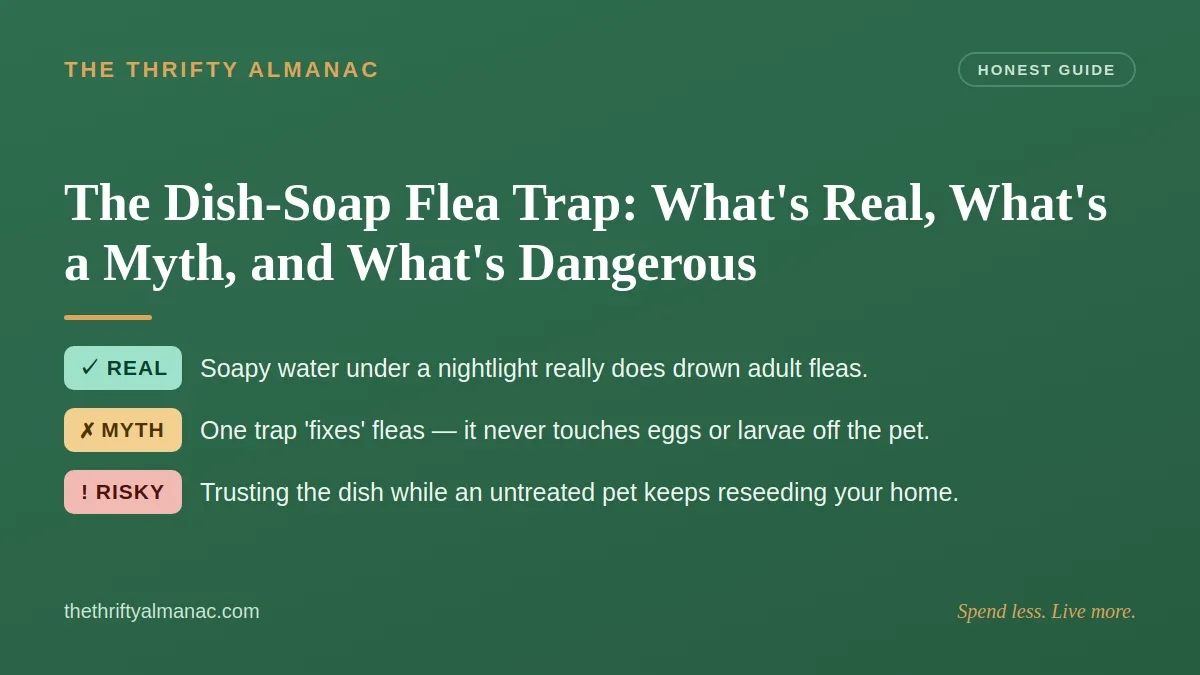
You saw the trick on your feed: a shallow bowl of water, a few drops of dish soap, a small lamp glowing over it overnight. By morning, dead fleas floating in the dish. It looks like proof that you've solved the problem. You haven't — but the trap isn't a scam either.
The honest version is a tier-list. This dish-soap trap is REAL at what it physically does, a MYTH as a cure, and mildly DANGEROUS only in the sense that trusting it can let an untreated pet keep reseeding your whole house. Here's each tier, with the boring fix that actually works at the end.
The soapy-water flea trap, in one honest sentence
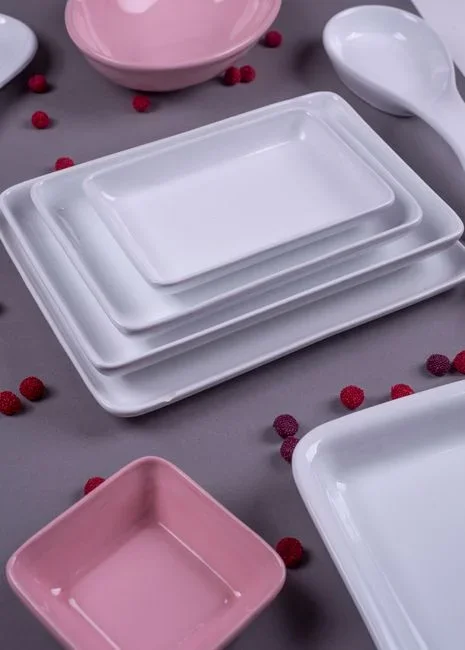
A light-colored dish of water with a couple drops of dish soap, sitting under a warm nightlight, really does drown adult fleas that are active at night — but it's a spotlight on the problem, not a solution to it. Keep that sentence in your head and you won't get fooled by a bowl of dead bugs. Everything below is just the three tiers spelled out.
REAL: why the dish-soap trap actually catches fleas
This part is legitimate, and university extension services describe the exact setup. According to University of Florida IFAS Extension, adult fleas are highly mobile and gravitate toward warmth and light, and they're drawn to a light placed over a shallow, light-colored dish while they forage at night. They jump toward the glow, land in the water, and drown.
The dish soap is doing one specific, physical job. Plain water has enough surface tension that a light insect can sit on top and crawl back out. A drop of liquid detergent breaks that tension, so a flea that lands sinks instead of floating — the same reason the same source notes fleas would otherwise float on the surface. The soap isn't only mechanical, either: Texas A&M AgriLife Extension calls soap "a gentle insecticide" that helps control light infestations on your pet.
How to build one
- Use a shallow, light-colored bowl or pie plate (pale bottoms show the light better).
- Fill with an inch or so of water and add a few drops of ordinary dish soap; swirl gently.
- Set a small lamp or nightlight low over the dish so warmth and light reach the water.
- Run it overnight in the room where pets sleep and where you get bitten most.
That's the whole build. It's cheap, it's real, and if you wake up to drowned fleas, you've confirmed you have active adults. What you have not confirmed is that you're winning.
MYTH: "this will get rid of my flea problem"
Here's the trap inside the trap. The dish only reaches adult fleas that happen to be out, hungry, and hopping near the light. But the biting adults you see are the small, visible minority of a flea population. As University of Kentucky Entomology explains, adult fleas spend most of their time on the dog or cat — not in the carpet — while "hundreds or thousands of eggs, larvae, and pupae" develop elsewhere in the home.
Those immature stages are the engine. Female fleas living on your pet lay 30 to 50 eggs per day, according to the National Pesticide Information Center, and those eggs roll off the animal into carpet, furniture, cracks, and bedding. A dish of soapy water on the floor never touches a single egg, larva, or cocooned pupa. So even a trap that drowns adults all night is bailing a boat while the hull keeps filling. New adults keep emerging from the environment, and the problem rebounds within days.
This is exactly why a tier-list beats a one-trick post — and it's the same pattern behind most home remedies that promise more than they deliver. The trap isn't fake. The claim that it "fixes fleas" is.
What actually clears fleas: the boring three-part fix
Real flea control is integrated and unglamorous. There's no single gadget — it's three chores done together, and skipping any one lets the population survive. This is the same integrated logic that runs through our whole-home approach to handling pests without overkill.
1. Treat the pet — this is non-negotiable
Because adults live on the animal, treating the pet hits the source. UC Integrated Pest Management recommends a spot-on or systemic oral product from your veterinarian or a reputable online source, noting that several very effective and safe products are available. University of Kentucky is blunt that treating the pet is "an essential step in ridding a home of fleas." Ask your vet which product fits your specific animal — never put a dog product on a cat, and follow the label exactly.
2. Wash pet bedding weekly
The pet's bed is a nursery. UC IPM says to launder pet bedding in hot, soapy water at least once a week. That single load removes eggs and larvae you'd otherwise never reach with a vacuum.
3. Vacuum often, for about two weeks straight
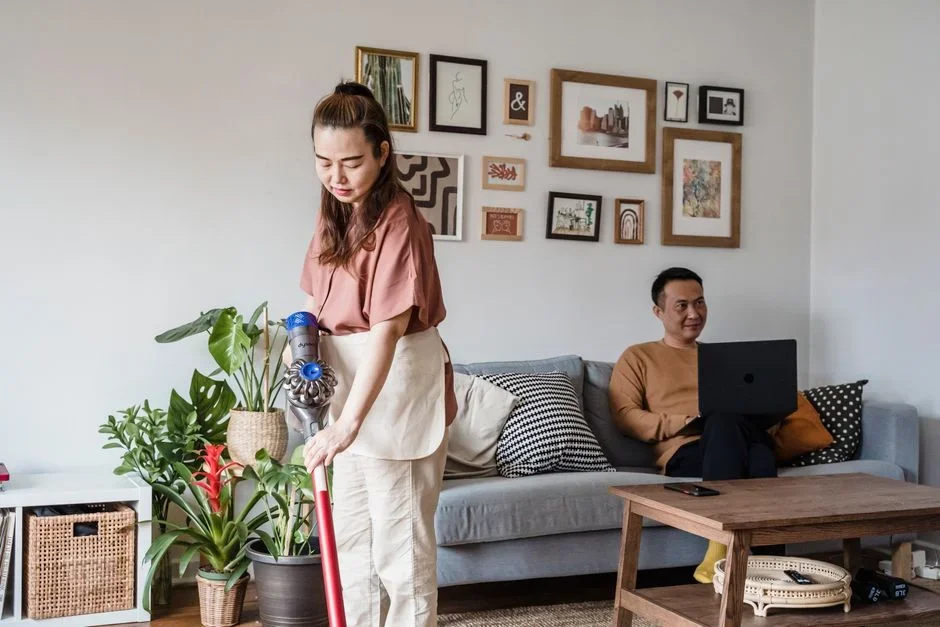
Vacuuming does double duty, and it's the step people quit too early. It physically removes eggs and larvae, and the warmth and pressure of the vacuum stimulate the toughest life stage — the cocooned pupae — to emerge. That matters because sprays don't kill pupae inside their cocoons; you have to coax them out into the open. UC IPM advises you continue vacuuming for 10 days to 2 weeks to catch the adults that keep emerging. University of Kentucky adds that vacuuming both removes the developing stages and hastens fleas out of their cocoons sooner.
| Source | Flea eggs removed | Flea larvae removed |
|---|---|---|
| Clemson HGIC | More than half | About a quarter |
| Texas A&M AgriLife | Up to 60% | Up to 30% |
| Ohio State Extension | Up to 95% | Some |
The numbers differ by study and technique — a beater-bar brush and frequent passes push you toward the higher figures. Ohio State recommends vacuuming every other day for it to work. Whatever the exact percentage, the lesson is the same: no single vacuum session finishes the job, so keep going. Empty the canister or bag outside after each pass so nothing crawls back out.
The REAL / MYTH / DANGEROUS verdict at a glance
| Tier | The claim | Reality |
|---|---|---|
| REAL | The soapy dish drowns fleas | True — warmth and light draw active adults in; broken surface tension sinks them |
| MYTH | It gets rid of the infestation | False — it never reaches eggs, larvae, or pupae, which are most of the population |
| DANGEROUS | A bowl of dead fleas means you're done | Risky — the untreated pet keeps reseeding the home while you feel finished |
CAUTION: use the trap as a scout, not a substitute
The trap's honest job is reconnaissance. It's a cheap way to confirm fleas are active and, once you've started the real fix, to gauge whether nightly catches are dropping. That's genuinely useful — just never let it stand in for treating the animal. Because adults spend nearly their whole lives on the pet, a home program without a vet-treated pet is a program that fails.
Two bits of plain common sense, not sourced science: you're setting an electric light directly over an open dish of water, so use a stable surface and keep cords tidy. And it's a bowl a curious dog, cat, or toddler could drink from or knock over — put it where that can't happen, and follow the directions on any product you use, per NPIC's general guidance to read the label. If a flea problem is severe, if anyone in the house is reacting badly to bites, or if your pet seems ill, that's a call to your veterinarian, not a bigger bowl of soap.
Common mistakes
- Treating the dish as the cure. It catches adults only; the eggs and larvae off the pet are untouched.
- Skipping the pet. Adults live on the animal — no vet product means endless reinfestation.
- Vacuuming once and quitting. Pupae keep hatching for up to two weeks; you have to keep going.
- Never washing the pet's bed. It's the single richest source of eggs and larvae in the house.
- Chasing one vacuum percentage. Removal rates vary by source and technique — frequency beats any single number.
FAQ
Does the type of soap matter?
Not much. The soap's main job is breaking surface tension so fleas sink instead of floating; ordinary liquid dish soap does that. Texas A&M also notes soap acts as a gentle insecticide, but don't expect any dish soap to substitute for a vet-approved flea product on your pet.
How long until the trap "runs out" of fleas?
It won't, as long as adults keep emerging. Because pupae in the environment continue hatching for roughly 10 days to two weeks per UC IPM, you may keep catching fleas the whole time — which is a sign the environment is still seeding, not that the trap is winning.
Do I still need to treat my yard?
Sometimes, if pets spend time outdoors in shaded, humid spots where larvae survive. That's a separate job — see our guide to clearing fleas from the yard without poisoning your cat — but indoors, the pet-plus-vacuum-plus-laundry routine is what breaks the cycle.
Are essential-oil flea sprays a better DIY?
Be careful there — several oils are toxic to cats, and the evidence for repelling fleas is thin. We break down what actually holds up in our look at what the evidence really says about essential oils for pests.
The takeaway: The dish-soap trap is a real flea catcher and a real fraud as a cure — treat the pet, wash the bedding, and keep vacuuming, and let the dish just tell you when you're winning. Spend less. Live more. — The Thrifty Almanac





0comments