

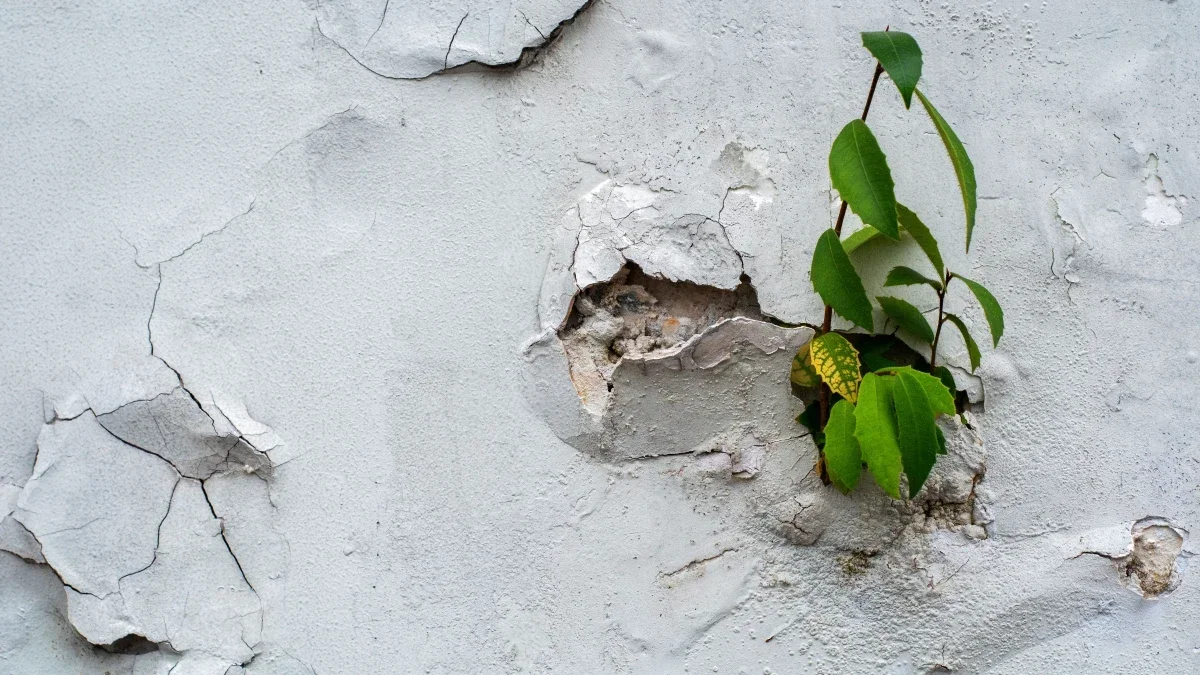
You have seen the video: someone pours a cheap, syrupy liquid over a cracked concrete floor, the surface goes glassy, and the caption promises it "seals and waterproofs cracks forever." The liquid is water glass — sodium silicate — a real product that does a real job — just not that one. The comment sections fill up with the same line every time: "I poured it in and water still came through."
Here is the honest version the product pages blur on purpose. Three words get treated as if they mean the same thing, and they do not: densify, seal, and waterproof. Water glass does the first one well and the other two barely or not at all. Sort them out and you stop buying the wrong bottle for the wrong crack. It is the same honest-chemistry trap that catches people with rust, where removing, converting, and protecting rust get sold as one job when they are really three.
The three words that end the confusion
This is a chemistry-and-what-to-buy explainer, not structural advice — a crack can be a symptom of something a bottle cannot fix. But first, the vocabulary that every "seals cracks" ad quietly scrambles:
- Densify = harden the concrete internally. A chemical soaks into the top layer and reacts to make the surface denser and tougher. This is what water glass actually does.
- Seal = lay a protective film or barrier on top of the concrete so stains and moisture sit on the surface instead of soaking in. A separate product category.
- Waterproof = actively stop liquid water from passing through — a job for a membrane, a proper sealer, or an injected repair that fills the void.
Three different jobs, three different products. When a label says "densifies and seals cracks," it staples a real capability to a wishful one. The preview of what you actually need: for a dusty but sound slab, water glass; for a real crack, something the trades reach for instead.
What water glass actually does to concrete
WHAT: Sodium silicate is a concrete densifier. Poured onto a slab, it soaks into the pores of the top layer and reacts with what is left over from the original cure.
HOW: Cured concrete is not chemically "finished." When Portland cement hydrates, it produces calcium silicate hydrate — C-S-H — the paste that binds everything together. C-S-H is the main hydration product of Portland cement, makes up about 50% of the hardened paste volume, and controls the concrete's strength. But curing also leaves free lime (calcium hydroxide) sitting in the pores, doing nothing structural. Water glass finds that leftover lime and reacts with it in a pozzolanic reaction — binding the free lime into additional cementitious material that fills pores and raises surface density, hardness, and resistance to dusting. In plain terms: the liquid grows more of the same crystal that already holds the concrete together, plugging the micro-pores.
WHY it is slow: Densifiers can start reacting within an hour or two, but the reaction with the calcium and free lime keeps going for up to about 2 months after you apply it. So a floor keeps hardening and shedding less dust for weeks.
LIMIT: Notice the scale of everything above — pores, micro-pores, the top layer. This reaction only reaches the tiny voids in intact concrete. It has nothing to react across a visible crack, because a crack is empty space, not lime-filled pores. (The exact reaction varies by which silicate you use, so treat this as the mechanism, not a lab formula.)
Why it will NOT fix your crack (or stop the leak)
The myth-bust follows straight from the chemistry. Densifying hardens concrete that is already there. A crack is a gap — no concrete, no leftover lime for the silicate to grab. Pour water glass across a crack and it wicks into the sound concrete on either side and reacts there, but the void down the middle stays a void. Nothing bridges it, and nothing bonds the two faces back together.
A densifier is a surface treatment, not a repair. Industry references are blunt about this: a densifier "cannot improve weak/sub-standard concrete to satisfactory levels." It cannot restore strength to a slab that has already failed, and it certainly cannot re-knit a crack.
The "but it waterproofs, so it'll stop the leak" claim fails for the same structural reason plus a definitional one. A densifier reduces surface porosity, making the intact concrete a little tighter against moisture soaking in. That is not the same as blocking liquid water pushing through a crack. Water follows the path of least resistance, and an open crack is a highway. Treat a cracked slab with water glass and water still travels the crack — exactly what those commenters keep reporting.

The warning underneath all this: a crack that leaks, or a crack in something load-bearing, is a symptom. The urge to "just seal it" skips the real question — why is it cracking? — and that question decides everything about the right fix.
What the trades actually use (and diagnose first)
Professionals do not reach for one magic bottle. They match the product to the crack, and first they figure out the cause. The American Concrete Institute's guidance on structural crack repair by epoxy injection is explicit that the purpose is to restore structural integrity, and that before you inject anything you must determine both the cause of the crack and the need for repair — culprits like drying shrinkage, thermal contraction, settlement, and overload (ACI RAP-1). Skip the cause and any repair fails again.
With the cause understood, the crack itself points to the product:
- Dry, structural crack → epoxy injection. Epoxy is pumped into the crack under pressure to glue the two faces back into one solid member. Government inspection guidance describes it plainly: epoxy crack injection "uses epoxy material to seal cracks in concrete structures... and is designed to be a crack sealer and structural repair for concrete elements." The catch: epoxy needs a genuinely clean, dry crack to bond. That same guidance calls for flushing the crack and then drying it with oil-free compressed air before injection. Inject epoxy into a wet, actively leaking crack and it will not bond properly.
- Wet, actively leaking crack → polyurethane injection. This is the other trade product: a flexible polyurethane that is injected into a damp or leaking crack, where it reacts and expands to seal against water and stays flexible if the crack moves a little. The honest caveat that marketing skips: sealing water is not the same as restoring strength. Polyurethane stops the leak; it does not turn a broken member back into a sound one.
So the simple decision guide: dry and structural → epoxy; wet and leaking → polyurethane; dusty but sound → water glass. None of those jobs is what a densifier does to a crack, because a densifier does nothing to a crack.
LIMIT — this is the serious part: A cracked slab or foundation can mean settlement, rebar corrosion, thermal or shrinkage stress, or plain load failure. Cracks that are wide, growing, offset or stepped (one side higher than the other), or in a load-bearing wall or foundation are a job for a licensed structural engineer — not a bottle from a video. Diagnosing the cause is not optional, and getting it wrong (epoxy on a wet leak, or a densifier on a structural crack) wastes money and can hide a problem that is quietly getting worse. The flip side is knowing which household jobs really are cheap DIY wins — the way a few cheap plumbing fixes skip a pro call-out — so you neither overpay for a professional nor patch over a job that truly needs one.
When water glass IS the right call

None of this makes water glass a scam. It is a finishing product sold to people who needed a repair product. Used for what it actually does, it earns its keep.
The legitimate job is hardening and dust-proofing a sound, uncracked interior slab: a garage floor, a workshop, a warehouse, or a polished-concrete floor. Bare concrete slowly sheds a fine powder underfoot — that gray dust on everything in the garage. Because water glass grows C-S-H in the surface pores, it knits that chalky top layer together, cutting the dusting and boosting abrasion and stain resistance. For a floor that is structurally fine but powdery, it is a genuinely useful and cheap upgrade. It runs on the same thrifty instinct as the old-school ways to make a fence last — a small, cheap step that quietly buys years of life.
Safety and handling: Sodium silicate solutions are strongly alkaline — caustic enough to irritate skin and eyes. Wear gloves and eye protection, ventilate the space, and follow the product label and safety data sheet. This is a maintenance and finishing use on intact concrete. It is never a repair for a crack, a leak, or structural damage, no matter what the caption says.
Common mistakes recap
- Treating "densify," "seal," and "waterproof" as the same thing — they are three separate jobs and three separate products.
- Pouring water glass into a crack and expecting it to bond or bridge the gap. There is nothing in a crack for it to react with.
- Assuming "less porous surface" means "waterproof." Water still travels an open crack.
- Reaching for epoxy on a wet, leaking crack — it will not bond to a damp surface. Polyurethane is the wet-crack product.
- Sealing a crack without asking why it cracked. Skip the cause and the fix fails again.
- Skipping the structural engineer on a wide, growing, or foundation crack.
FAQ
Will water glass seal a crack in my basement floor?
No. It hardens and dust-proofs the intact concrete around the crack, but it does not fill or bridge the gap, and water will still travel through it. A basement crack that leaks usually calls for polyurethane injection, and if it is structural or growing, a professional assessment first.
Is a densifier the same as a sealer?
No. A densifier reacts chemically inside the concrete to harden it. A sealer lays a protective film on top. They are different products for different goals — one toughens the concrete, the other guards the surface — and "waterproofing" is a third job again.
Epoxy or polyurethane — how do I choose?
Match it to the crack. A dry, structural crack that needs its strength back is an epoxy job (and epoxy needs the crack clean and dry to bond). An actively leaking or damp crack is a polyurethane job — it seals the water and stays flexible, but it does not restore structural strength. Diagnose the cause before either.
Is water glass ever worth buying, then?
Yes — for the right job. On a sound, uncracked garage, shop, or polished-concrete floor, it cuts surface dusting and boosts wear and stain resistance for very little money. Just handle it carefully; it is caustic. Buy it as a floor finish, not as a crack fix.
The takeaway: water glass densifies a sound slab and dust-proofs it beautifully, but it cannot seal or waterproof a real crack — for that, the trades diagnose the cause first, then reach for epoxy on dry structural cracks and polyurethane on wet leaking ones. That instinct — matching the fix to the actual job — runs through our honest guide to everyday home hacks. Spend less. Live more. — The Thrifty Almanac





0comments