


When the power goes out, the panic-buy is always the same: a pricey generator you'll use once a year and store the other 364 days. Here's the quiet truth almost nobody tells you — for a short outage, the backup power you need is already sitting in your driveway.
A cheap inverter and the car you already own can keep the important things alive: phones, a laptop, a few lights, your Wi-Fi router, even a CPAP machine. What it will never do is run your house. And there's exactly one mistake in this hack that turns a smart move into a fatal one. Let's sort it honestly — what's real, what's a myth, and what can kill you.
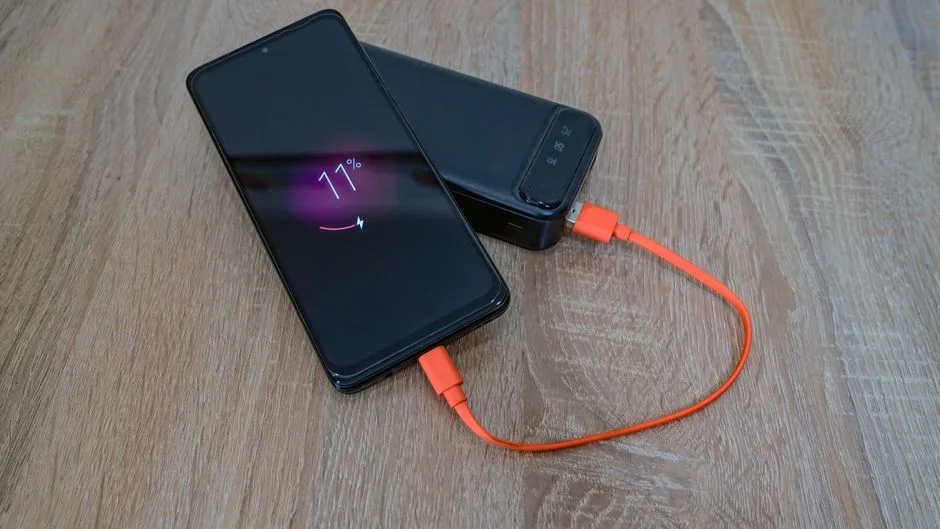
REAL: what a car and a cheap inverter actually keep running
A power inverter is a small box that turns your car's 12-volt DC battery power into the 120-volt AC that household electronics expect. A basic one runs about $30 to $60. Plug it in, start the engine so the alternator keeps the battery topped up, and you have a modest but genuinely useful power source.
Here's the honest load list — the stuff a car inverter handles without drama:
| Device | Typical running watts | Car inverter? |
|---|---|---|
| Phone / tablet charger | 5–20 W | Easy |
| Wi-Fi router + modem | 10–30 W | Easy |
| Laptop | 30–90 W | Easy |
| A few LED lights | 5–40 W total | Easy |
| CPAP (airflow only, humidifier OFF) | ~30–60 W | Yes, with caveat |
| Small 12V portable fridge | ~40–100 W running | Briefly, battery-clamped |
The CPAP line matters if someone in your home depends on one. A machine running airflow only pulls roughly 30 to 60 watts, well within a small inverter's reach — but you must switch off the heated humidifier and run in passover mode. That heater can push the draw to 60 to 90 watts or more, far more than the blower itself, and will overwhelm a small inverter. Air yes, heated humidity no — and if your clinician told you to keep humidification on, talk to your equipment provider about a dedicated battery instead of overriding that.
A small portable fridge can run too, but only briefly and intermittently, and only if you wire it correctly (more on that below). None of this competes with a purpose-built battery power station, but it costs a fraction as much and you already own the biggest part. If your outage worry is mostly about spoiling food, pair this with the low-tech tricks in our guide to keeping a fridge cold without power and you may not need to run the engine much at all.
How the setup works — and WHERE you plug in
This is where beginners go wrong, so slow down for two paragraphs. There are two ways to connect an inverter, and picking the wrong one either does nothing or melts something.
Path 1 — the cigarette-lighter (12V accessory) socket. Fine for small electronics. But that socket is protected by a fuse rated around 10 to 15 amps — roughly 120 to 180 watts, so a socket-plug inverter tops out near 150 watts. Push past that and you pop the fuse, not power your fridge. Treat 150 watts as a typical ceiling, not a universal spec — check your own inverter's rating and your vehicle's fuse.
Path 2 — clamps straight to the battery terminals. Anything bigger than phone-and-laptop territory (a portable fridge, for example) has to connect directly to the battery posts with proper clamps or hardwiring, bypassing that little fuse. Use proper-gauge cable and an inline fuse, or better, buy a UL-listed inverter and follow its manual exactly.
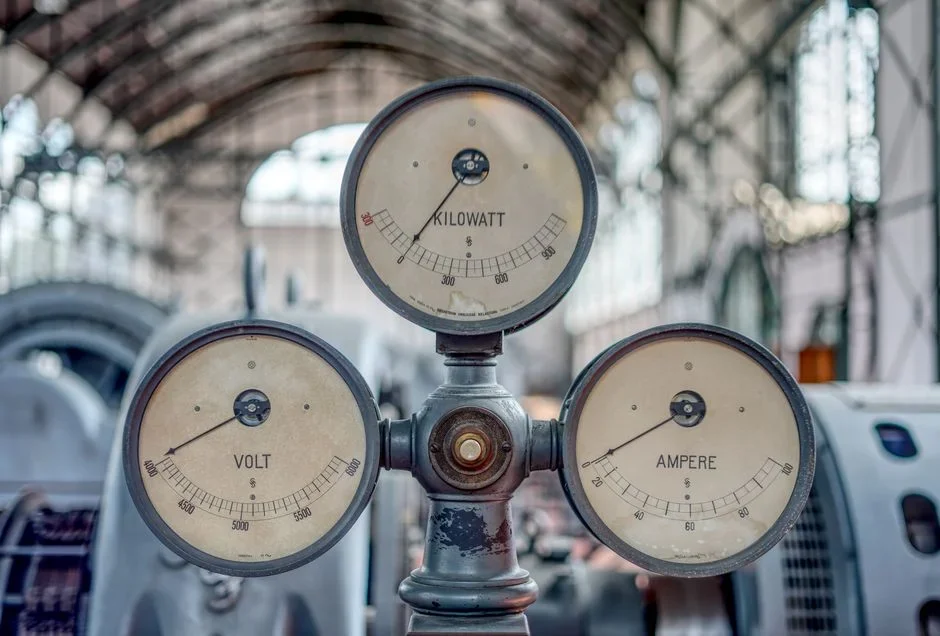
One more concept saves a lot of frustration: continuous versus surge watts. Every inverter lists two numbers. The surge (or peak) rating exists to cover the split-second inrush when a motor or compressor starts — and that spike can run several times the running watts. A small 12V fridge might only draw 40 to 100 watts while running, and it cycles on and off, but it spikes much higher the instant the compressor kicks on. That's why a fridge needs headroom and a battery-clamp connection — never the lighter socket.
DANGEROUS — read this before anything else: the carbon monoxide rule
Everything above is smart and cheap. This next part is the difference between a clever hack and a body count, so it is not optional reading.
Running an engine to power an inverter means burning fuel, and burning fuel produces carbon monoxide. CO is a gas you cannot see or smell — the CDC calls it a poison that "kills without warning," responsible for more than 400 unintentional non-fire deaths a year in the U.S., over 100,000 ER visits, and 14,000-plus hospitalizations. It is in the exhaust every single time you run a car.
So here is the one rule that outranks every money-saving tip on this page, quoted straight from the CDC:
"Never run your car or truck inside a garage that is attached to a house, even with the garage door open."
Not with the door cracked. Not with a fan running. Not "just for a few minutes." Never. If your garage is detached, still open the door for fresh air. The only safe place to idle a car for power is outdoors, well away from any window, door, or vent that could pull fumes back into the house.

Know the symptoms, because CO poisoning mimics the flu: headache, dizziness, weakness, nausea, vomiting, chest pain, and confusion. People who are asleep or intoxicated can die before any symptom shows up. If you feel these signs, get to fresh air immediately and call 911. Install battery or battery-backup CO detectors near every sleeping area — this is the single cheapest piece of safety gear in the whole plan.
DANGEROUS, part two: overloading, thin wires, and wasted fuel
The CO rule is the headline, but three smaller hazards deserve a mention:
- Don't exceed the ratings. Stay under your inverter's continuous watt rating, and remember the car itself only spares a slice of its capacity (more on that in the myth section).
- Don't cheap out on wiring. Battery-clamp loads need proper-gauge cable and a fuse. Thin wire under load gets hot. If you're unsure, buy a UL-listed unit and follow its manual rather than improvising.
- Don't idle for hours straight. Idling burns roughly a quarter to a half gallon of fuel per hour, and restarting an engine takes only about 10 seconds' worth of fuel. Run the car in bursts to charge devices and the battery, then shut it off — don't leave it idling all night.
MYTH: "my car can power the whole house"
This is the viral belief that gets people hurt, because it tempts them to wire up high-draw appliances. It's simply wrong.
A typical passenger-car alternator puts out somewhere around 500 to 2,000 watts of gross capacity. That sounds like a lot until you realize most of it is already spoken for — your car's own ignition, computer, lights, and fans are drawing from that same alternator. Only a fraction is left over for an inverter. (Treat that figure as a rough engineering estimate, not an exact spec; real output varies widely by vehicle.)
| Appliance | Roughly needs | Car inverter reality |
|---|---|---|
| Central air conditioner | 3,000–5,000 W | No chance |
| Electric range / oven | 2,000–5,000 W | No chance |
| Well or sump pump | 1,000–2,400 W surge | No |
| Space heater | 1,500 W | No |
| Phones, laptop, lights, router | Under 200 W total | Yes, comfortably |
Different job, different tool. And here's a telling contrast: the CPSC warns that one portable generator produces as much carbon monoxide as hundreds of cars. A generator can run those big loads precisely because it's a much bigger, much more dangerous machine. Your car is the gentle option — keep it in its lane. If your real goal is a lower bill rather than outage survival, that's a different project entirely, and our list of free habits that trim your electric bill is a better place to start.
When you actually DO need a real generator
Honesty means admitting where the hack ends. A car inverter is enough if you need to keep phones, a laptop, lights, Wi-Fi, and CPAP airflow going through a short outage, plus a portable cooler run intermittently.
You need a real generator if you have to run a full fridge and freezer around the clock for days, a furnace blower, a well or sump pump, or medical equipment that includes heaters. Just know you're trading up into a machine with its own strict CO rules: the CPSC and CDC both say to run a generator at least 20 feet from any door, window, or vent, exhaust pointed away, and never inside a home, garage, or carport — even with everything open. More than 100 of the 200-plus annual non-fire CO deaths from consumer products trace back to portable generators run in the wrong place.
The REAL / MYTH / DANGEROUS cheat sheet
| Verdict | The claim | The reality |
|---|---|---|
| REAL | A car + $30–60 inverter runs phones, laptop, lights, router, CPAP airflow, and briefly a small fridge | True, within the alternator's usable slice of its 500–2,000 W gross output |
| MYTH | A car can back up the whole house | False — central AC, ranges, and pumps need kilowatts a car can't spare |
| MYTH | The lighter socket powers anything | False — it's fuse-limited to about 150 W; bigger loads need battery clamps |
| DANGEROUS | "I'll just idle it in the garage, door open" | Can be fatal — CDC says never, even with the door open |
Your pre-outage checklist: buy a fuse-appropriate, UL-listed inverter; keep a set of battery clamps and proper-gauge cable with it; install CO detectors near sleeping areas; and decide right now where you'll park to run the engine safely outdoors, away from windows and vents. A well-sealed home also holds heat and cool longer during an outage, so it's worth taking an afternoon to seal drafty windows and doors on the cheap before storm season. For more low-cost resilience ideas, our complete home hacks guide ties the whole toolkit together.
Common mistakes
- Idling in an attached garage. The one that kills. Outdoors only, away from windows and vents — no exceptions.
- Overloading the lighter socket. Stay under ~150 watts there; clamp bigger loads to the battery.
- Ignoring surge watts. A fridge's startup spike can trip an undersized inverter even if the running load looks fine.
- Running the CPAP humidifier. Airflow yes, heated humidity no — the heater draws too much.
- Idling for hours. Burns a quarter to a half gallon an hour. Run in bursts instead.
- Skipping the CO detector. The cheapest insurance in the whole plan.
FAQ
Will running an inverter drain my car battery?
If the engine is off, yes — an inverter pulls straight from the battery and can flatten it. Run the engine (safely, outdoors) so the alternator keeps the battery charged, or use short bursts and watch your dashboard voltage. There's no reliable published runtime for a given car and load, so don't trust internet numbers — watch your own battery.
Can I really run a CPAP off my car?
Yes, the airflow — a machine drawing 30 to 60 watts sits comfortably inside a small inverter's range. Turn the heated humidifier off and run passover mode, because the heater draws far more than the blower. If your therapy strictly requires heated humidity, ask your equipment provider or doctor about a dedicated battery instead.
Is it safe to sleep while the car runs for power?
Only if the car is outdoors, far from windows and vents, and you have working CO detectors near where you sleep. Carbon monoxide can kill sleeping people before symptoms appear, so never idle a vehicle near or inside living space overnight.
How much power can I actually get?
Enough for small essentials totaling a couple hundred watts, not household appliances. The alternator's rough 500-to-2,000-watt gross output is mostly used by the car itself, leaving only a fraction for your inverter. Central AC, electric ranges, and pumps are firmly out of reach.
The takeaway: A cheap inverter turns your car into real backup power for phones, lights, and CPAP airflow — just never, ever run the engine in an attached garage, even with the door open. Spend less. Live more. — The Thrifty Almanac






0comments