

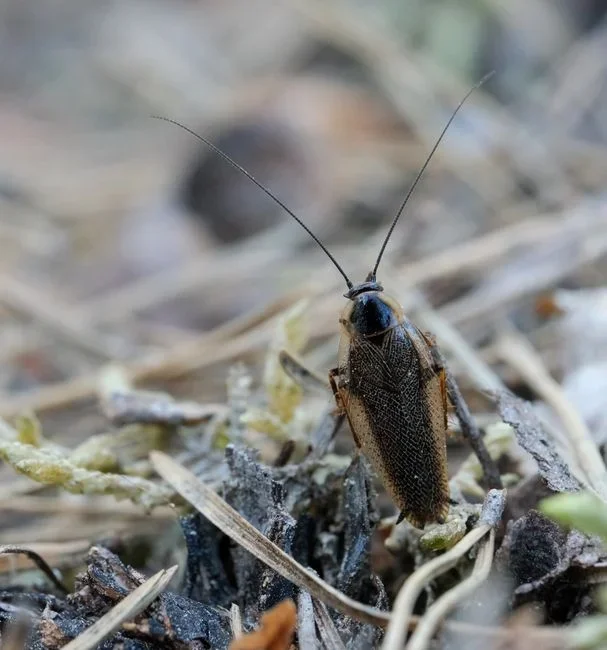
You sprayed the baseboards. You set off a fogger and left for the afternoon. For a week the kitchen was quiet — then the roaches were back, crossing the counter like nothing had happened. The problem was never that your spray was too weak. It's that sprays and foggers coat the surfaces you can see, while roaches live in the cracks you can't.
Beating them comes down to one idea: reach the hiding places, not the open floor. Here's the honest tier list — drawn from university entomology and federal agencies, sorted into what's real, what's a myth, and what's genuinely dangerous. This fits inside a complete do-it-yourself pest plan. One note up front: the strongest research targets the German cockroach, the small tan species that owns kitchens and bathrooms — bigger American and Oriental roaches live more outdoors and behave differently.
| Method | Tier | Verdict | Why it lands there |
|---|---|---|---|
| Gel bait + sanitation + sealing cracks + IGR | S | REAL | Reaches the harborage; roaches carry the poison home and spread it through the colony |
| Gel bait on its own | A | REAL, slower | Works, but crumbs and clutter left out compete with it |
| Repellent or contact sprays alone | D | MYTH as a cure | Miss the cracks, scatter roaches, and breed resistance fast |
| Total-release foggers ("bug bombs") | F | MYTH + DANGEROUS | Settle on open surfaces, not harborage; flammable propellant is a fire risk |
| WD-40, Vicks, essential-oil sprays | F | MYTH | May kill on direct contact, but leave no lasting effect on a hidden colony |
Why roaches keep coming back (and the honest fix)
Most people grab a spray or a fogger because those knock down what's visible. But the visible roaches are a fraction of the colony; the rest sit wedged in warm cracks near food and water, breeding, ready to refill the space you just cleared.
A field study in infested apartments makes the point. NC State researchers pitted four total-release foggers against gel baits, and the foggers didn't move the needle — trap counts barely budged — while both gel baits cut the population significantly at two and four weeks. The reason was almost physical: the fogger insecticide rained onto open surfaces at average levels more than 600 times baseline, while the cracks where roaches shelter saw no meaningful rise. Put the poison where the roaches live, and let them spread it for you.
S-Tier: gel bait and the secondary kill that clears a colony
What it is: a paste loaded with a slow-acting insecticide — commonly fipronil, indoxacarb, or hydramethylnon — that a roach eats and survives long enough to carry home.
Why it beats everything else: the delay is the whole trick. A roach feeds, returns to the harborage, and dies among the others — then the colony finishes the job. Lab work at NC State documented how baits spread through secondary and even tertiary kill: nymphs die from eating the droppings of poisoned adults, and roaches die from eating the carcasses. One dose becomes many deaths. UC IPM plainly calls gel baits "very effective" where roaches harbor or forage.
The limit: it isn't instant, and these aren't the only chemistry available. UC IPM notes a bait program "may take 7 days or longer", and that removing competing food makes it work far better. Those three actives aren't your only options either — imidacloprid, abamectin, and boric acid baits done right also work.
How to place gel bait so it actually works

What to do: think small and many. UC IPM says to apply gel with a bait gun or syringe in "small dabs in cracks and crevices where cockroaches will find it" — pea-size dabs, not a smeared line across a shelf.
How to do it: many tiny placements beat one fat blob. Tuck dabs inside cabinet hinges, the corner seams under the sink, the backs of drawers, and behind and beneath the fridge, stove, and dishwasher — warm, dark, near food and water, the same spots roaches hide and breed. Roaches won't cross a bright open floor for bait, so put it on their commute.
The limit: the product label rules dab size and spacing, so follow it. Keep dabs off open, frequently wiped surfaces, where they dry out or get cleaned away before a roach finds them.
S-Tier partners: sanitation, sealing, and roach birth control
What they are: the unglamorous fundamentals that turn "fewer roaches" into "gone." Bait competes with every crumb and grease smear, so store food in sealed containers and keep surfaces clean — a hungry roach then chooses your bait.
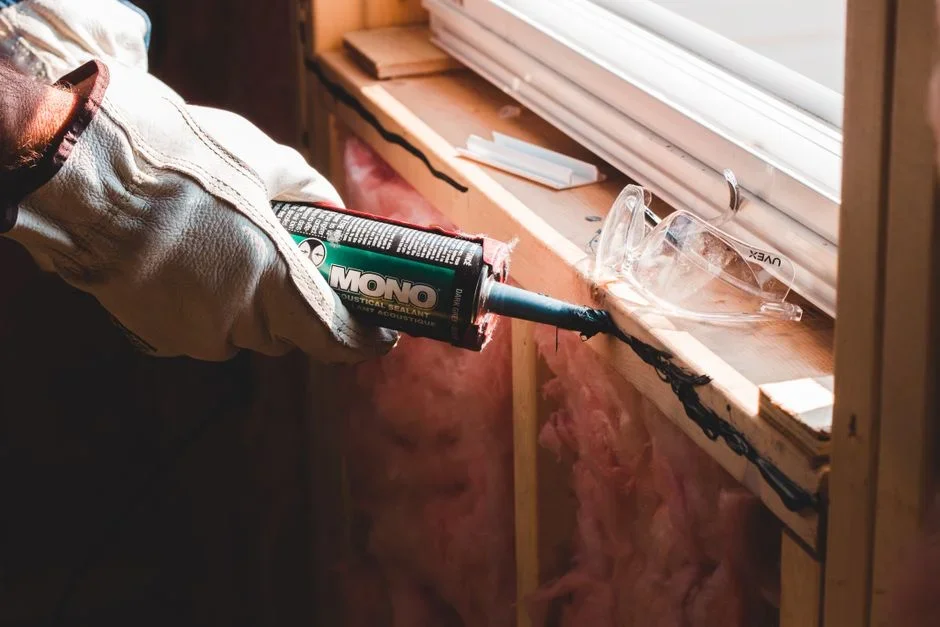
Next, cut off the highways: UC IPM recommends sealing cracks and openings to the outside, which removes both entry doors and the hidden real estate roaches nest in.
The third partner is an insect growth regulator (IGR). NPIC explains that IGRs mimic hormones in young insects, disrupting how they grow and reproduce, and are usually mixed with an adulticide to control cockroaches. It's birth control for the colony: it won't drop adults on its own and acts slowly, so it partners with bait rather than replacing it.
F-Tier: foggers and "bug bombs," the myth that won't die
The myth: fill the room with fog and it reaches everything. The reality: it reaches almost nothing that matters. EPA is blunt — the pesticides in total-release foggers "must contact the pest to kill it," and if the fog never reaches the cracks where pests hide, they won't be killed. (That page is written for bed bugs, but the physics is identical for roaches.)
For roaches specifically, UC IPM says aerosol foggers are "often ineffective since they don't reach the crevices where cockroaches harbor," and the NC State study showed why: the poison settled on the open floors and counters, not the sealed cracks right next to them — a lot of money aimed at empty space.
The danger nobody prints on the front of the box
Foggers aren't just useless against roaches — they can be hazardous. EPA warns that the aerosol propellants are typically flammable and that improper use "may cause a fire or explosion," most often when the fog reaches an ignition source: a flame, a pilot light, or a spark from an appliance that cycles on and off, like a fridge or air conditioner. Set off too many cans and the vapors build. Before using any fogger, EPA says to turn off pilot lights and unplug appliances.
Then there's the cost of bad timing. A CDC review counted 3,222 acute fogger-related illnesses and injuries across 10 states between 2007 and 2015, driven mostly by failing to leave during treatment, going back inside too soon, or getting sprayed at close range. That figure counts poisonings, not fires — but it argues loudly for methods that don't make you evacuate.
D-Tier: sprays alone, and the resistance trap
What happens: a contact or residual spray knocks down the roaches you see and misses the many more you don't. Worse, it trains the survivors. Purdue research tracked German cockroaches and found insecticide resistance climbing four- to six-fold in a single generation — sometimes to classes they'd never been exposed to. Because those survivors breed fast, a handful can repopulate the kitchen within months.
Repellent sprays add a second problem: UC IPM notes they "repel and disperse cockroaches to other areas," so spraying near your bait can push roaches away from the poison meant to kill them. Purdue's team recommends combining methods — baiting, trapping, sanitation, vacuuming — over sprays alone. Sprays have a role inside a pro's integrated plan; "spray it and forget it" isn't it.
Debunked hacks: WD-40, Vicks, and essential oils
Viral tips promise a colony wipeout from something in your cabinet. There's no credible evidence that the WD-40 bug-killing claim or a smear of Vicks clears a roach infestation — they're folk remedies, not tested treatments, and no government or peer-reviewed source evaluates them against roaches at all.
Essential oils are a more interesting case. A 2025 lab study found that some — thyme, sweet orange, lavender — reached 100% mortality within 24 hours on direct contact. But those oils are highly volatile: they evaporate fast and leave little residue, which is why the researchers flag their low persistence as a real limitation. Killing a roach you spray head-on isn't the same as clearing the hidden ones. For the fuller picture, here's what essential oils can and can't do. The verdict: fine as an in-the-moment knockdown, useless as a cure.
Use them safely: kids, pets, labels, and when to rotate
Keep bait and pesticides away from small hands and paws. EPA says to store pesticides out of reach of children and pets, in their original containers with the label, and never to pour them into a soda bottle someone could mistake for a drink. Place gel dabs where roaches travel but kids and pets can't reach.
Follow the label — it's the law. NPIC is clear that using a pesticide in any manner other than the label directs "is against the law," and that applying more than directed can harm people, pets, or the environment. That includes the quiet rule of roach control: don't spray a repellent over or beside your bait.
If a bait stops working, switch it up. Some German cockroach populations have evolved to taste glucose as bitter and reject sweet baits outright — a trait they pass to their offspring. If a once-reliable bait goes ignored, rotate to a different formulation or active ingredient. It's a sound precaution grounded in that finding and basic resistance management, not a guaranteed reset.
When to call a pro: if the infestation is large, keeps rebounding despite honest baiting and cleaning, or you share walls with neighbors, a licensed professional brings access and tools you don't have. If anyone swallows a pesticide or a child or pet is exposed, check the label's first-aid section and call Poison Control right away.
Common mistakes
- Smearing bait in long lines on open shelves. Use pea-size dabs tucked into cracks; open, wiped surfaces dry the bait out.
- Spraying near the bait. Repellent spray scatters roaches away from the poison they're meant to eat.
- Reaching for a fogger. It coats the floor, misses the cracks, and carries a real fire risk.
- Quitting on day three. Bait needs a week or more, and food left out makes it slower.
- Running the same bait forever. If it stalls, rotate the active ingredient — some roaches reject glucose.
FAQ
How long until gel bait works?
Expect a slow bleed, not an overnight miracle. UC IPM says a bait program won't give immediate results and may take 7 days or longer to reduce numbers, and clearing out competing food and water speeds it up.
Do foggers ever work on roaches?
Not for a real infestation. University guidance and a controlled field study both found foggers fail because the aerosol lands on open floors and counters, not the cracks where roaches shelter — and the flammable propellant makes them a safety risk on top of that. Skip them.
Are the roaches in my kitchen the same as the big ones outside?
Usually not. The small tan roaches indoors are typically German cockroaches, the species most of this research targets. Larger American and Oriental roaches live more outdoors and wander in, so they lean on the same bait-and-seal approach plus attention to entry points and moisture.
The takeaway: Skip the fog and the folk hacks — small dabs of gel bait in the cracks, a clean sealed kitchen, and a little patience are what actually end a roach problem. Spend less. Live more. — The Thrifty Almanac



0comments