

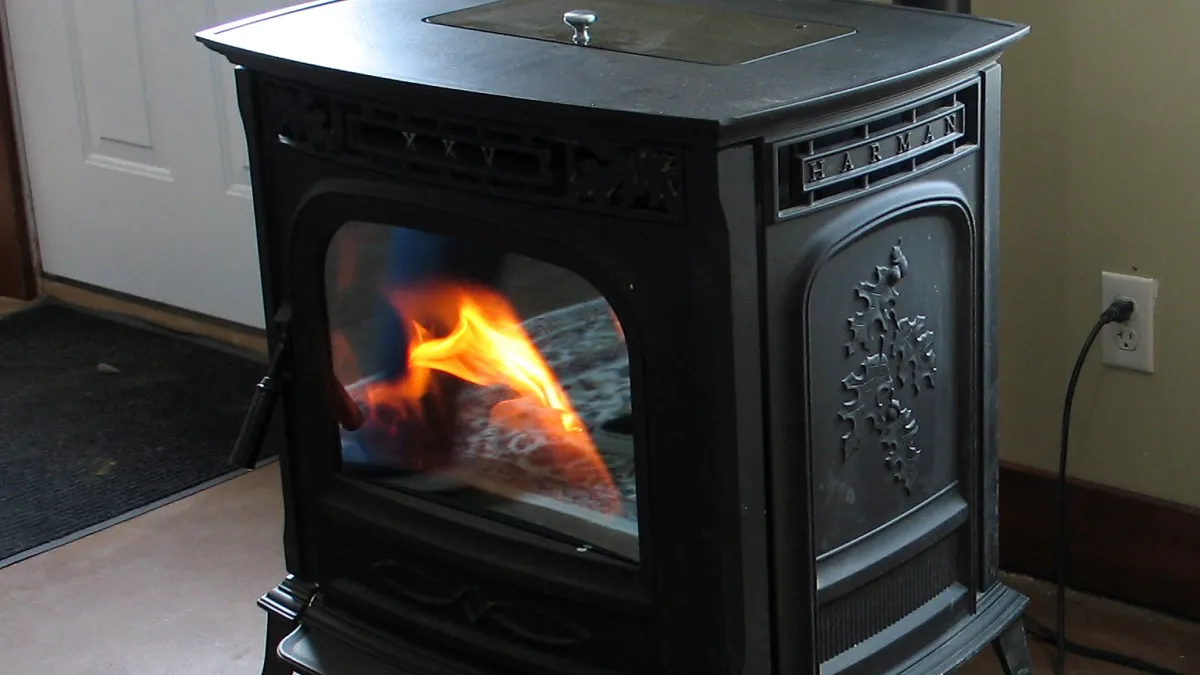
Heating oil sat above $6 a gallon in the EIA's weekly survey at the start of November. At the farm store, a pellet stove stands near the door with pallets of 40-pound bags behind it, and someone in line is sure it cut their heating bill in half. So does a pellet stove save money for a house like yours?
Does a pellet stove save money?
It depends on the fuel the stove would replace. A pellet stove usually costs less to run than oil, propane or electric baseboard heat, but against a natural gas furnace or a heat pump it came out more expensive per unit of heat in this guide's math at current EIA prices and a $6.29 bag of pellets.
The Department of Energy (DOE) says: "Pellet fuel appliances are almost always less expensive to operate than electric resistance heating, oil, and propane-fueled appliances." The EIA's winter outlook warns that "readers should not assume that switching to another fuel with lower energy expenditures" would "necessarily result in lower expenditures for their household."
| Claim | Verdict | Why |
|---|---|---|
| Cheaper heat than oil or baseboard | REAL | About $24 vs. $53 to $55 per million Btu |
| A new stove earns a federal tax credit | MYTH | Ended for stoves placed in service after 2025 |
| Counting on it in a power outage | RISKY | DOE: no power means no heat |
| Using it as the only heat | RISKY | One maker's manual says should NOT |
The dollar figures are this guide's own math from published prices and efficiencies, not a measurement in any home.
Cost per million Btu of heat, by fuel
The EIA's formula is "[ (Fuel price per unit) divided by (fuel heat content per unit) ] multiplied by 1,000,000," and it lists appliance efficiency as a factor. This guide divides by heat content times efficiency.
Heat contents and efficiencies all come from one source, Penn State Extension's Online Energy Selector Tool: pellets 8,200 Btu per pound at 80%, heating oil 139,400 Btu per gallon at 80%, propane 91,600 Btu per gallon at 85%, natural gas 100,000 Btu per therm at 85%, electricity 3,412 Btu per kWh at 100%.
Oil and propane prices are EIA residential averages for the week of November 2, 2026. Gas is the EIA's November 2026 Short-Term Energy Outlook forecast for late 2026, a forecast rather than a price anyone paid. Electricity is the EIA's U.S. residential average for August 2026. Pellets are 40-pound hardwood bags at $6.29 at a Chicago-area Tractor Supply, checked November 9, 2026; softwood was $7.29, and prices vary by store.
| Fuel | Price used | Per million Btu of heat |
|---|---|---|
| Wood pellets | $6.29 per 40-lb bag | $23.97 |
| Heating oil | $6.138 per gallon | $55.04 |
| Propane | $2.820 per gallon | $36.22 |
| Natural gas | $14.82 per thousand cubic feet | $16.83 |
| Electric baseboard | 18.16 cents per kWh | $53.22 |
| Heat pump, COP 3 assumed | 18.16 cents per kWh | $17.74 |
For pellets: $6.29 ÷ 40 lb = $0.157 a pound, divided by 6,560 Btu of heat (8,200 × 0.80), times 1,000,000 = $23.97. The heat pump row assumes a seasonal COP (heat out per unit of electricity) of 3; that is this guide's assumption, not a rating. Pellet figures leave out the stove's electricity, about $3.30 more per million Btu.
Other sources move the pellet number. Heat content per ton runs from 15.4 million Btu (University of Wisconsin Extension, 2014) to 16.5 million (Oregon State Extension); Penn State's is 16.4 million. The DOE puts EPA-certified pellet stoves "in the 70% to 83% efficiency range," which gives $23.10 to $27.40 at the same bag price.
What a winter of pellets costs
The DOE says: "Most homeowners who use a pellet appliance as a main source of heat use two to three tons of pellet fuel per year." A ton is 50 bags, or $314.50 at $6.29 a bag, so that is $629 to $944 a year.
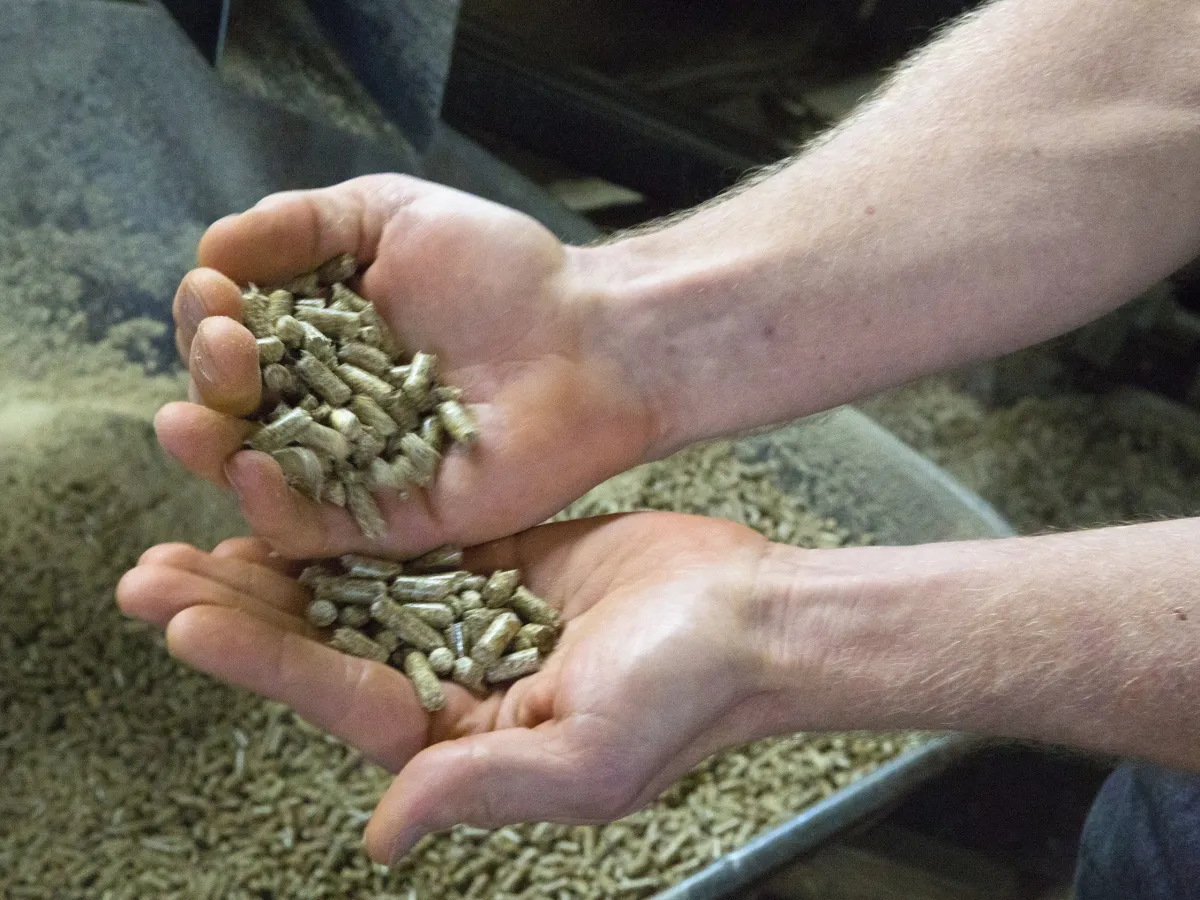
The stove also needs electricity "to run fans, controls, and pellet feeders," about 100 kWh a month, the DOE says. At 18.16 cents that is about $18 a month, or $109 over a six-month season. The Drolet Eco-55 manual lists 51 to 140 watts in continuous operation and a burn rate of 1.2 to 4.7 pounds an hour, so one 40-pound bag lasts about 8.5 to 33 hours.
Take the middle of the DOE range, 2.5 tons, which delivers about 32.8 million Btu. The same heat at the table's prices:
| Fuel | Cost for 32.8 million Btu |
|---|---|
| Pellets plus stove electricity | $786 + $109 = $895 |
| Heating oil | $1,805 |
| Electric baseboard | $1,746 |
| Propane | $1,188 |
| Heat pump, COP 3 assumed | $582 |
| Natural gas | $552 |
On this math, pellets save about $910 a winter against oil and $851 against baseboard heat, but only about $293 against propane at the national average. Against gas they cost about $343 more, and against the assumed heat pump about $313 more. The stove and its installation are not counted.
When the savings shrink
A pellet stove heats a room, not always a house. The DOE says: "Most wood- and pellet-burning appliances are essentially space heaters, and should be put in the room where you spend most of your time." The furnace keeps running for the far rooms, so the savings come only from the heat the stove takes over; turning the furnace down where the stove covers works like the setback in this winter thermostat guide.
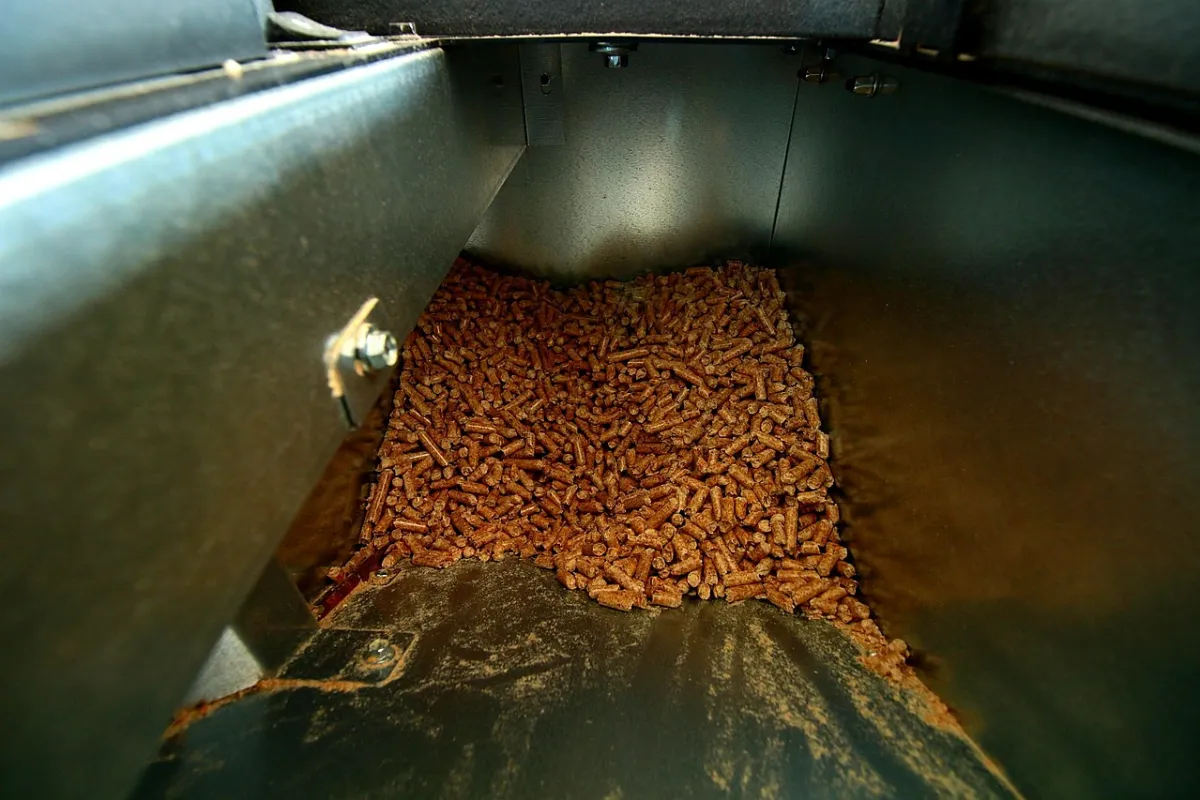
Comfortbilt's HP22 manual says: "This stove should NOT be used as the only source of heat in the home. Power outages and periodic maintenance will result in a total loss of heat." The DOE adds: "Unless the stove has a back-up power supply, the loss of electric power results in no heat and possibly some smoke in the house."
Upkeep costs time and money. The DOE says pellet stoves "need to be cleaned by the homeowner on a weekly basis and by a professional on an annual basis" and "have expensive components that can break down." The same undated page says "Most pellet stoves cost between $1,700 and $3,000."
The federal credit is gone for new stoves. Public Law 119-21, section 70505, ends the section 25C credit for property "placed in service after December 31, 2025," and the IRS says: "You can claim the credit for improvements made through December 31, 2025." A stove placed in service in 2026 does not qualify.
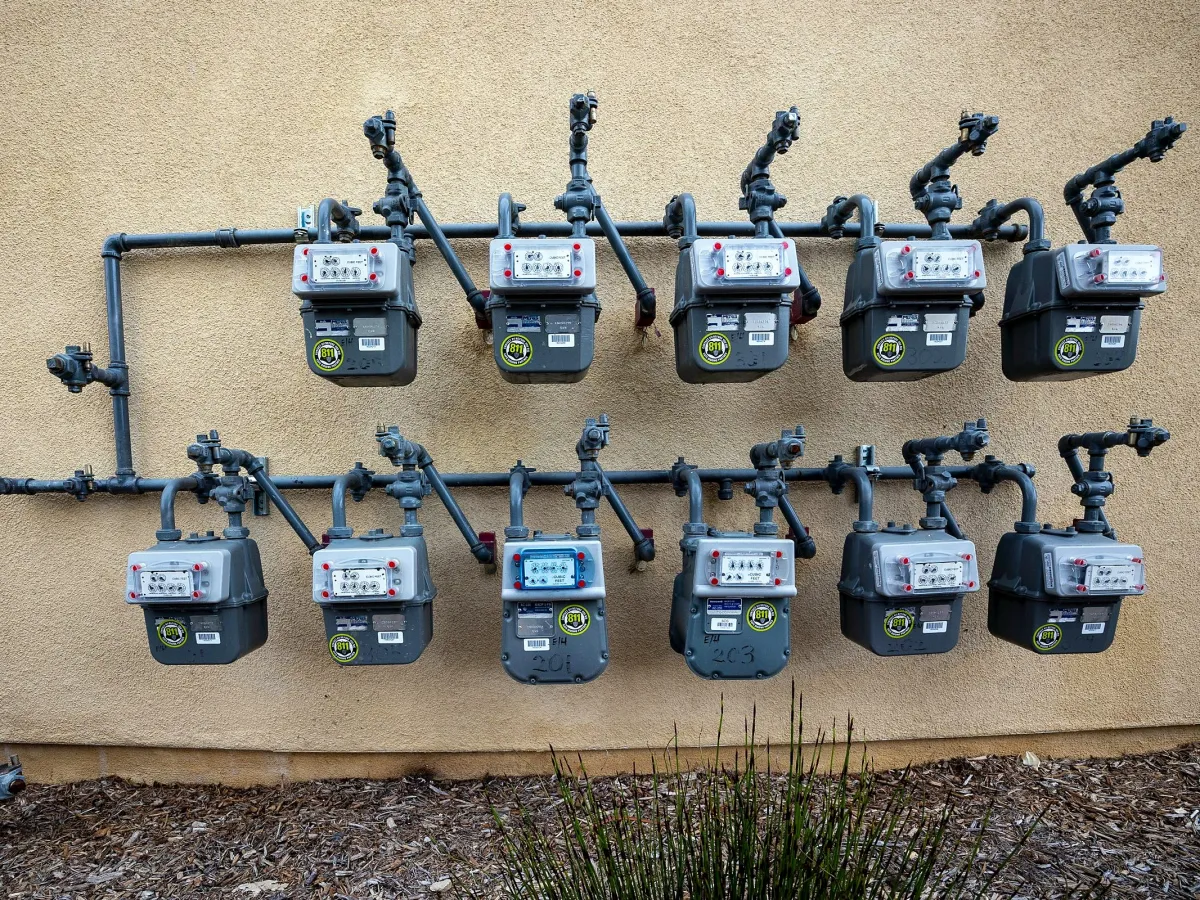
With gas in the house, cutting waste may pay better than adding a stove; see free changes that lower the bill.
Safety note: The EPA, citing the CPSC, says every home should have "carbon monoxide (CO) alarms on each level outside each sleeping area" and urges "an annual professional inspection of all fuel-burning appliances." Comfortbilt's manual adds: "You should have separate CO monitors for areas near the stove." NYSERDA says bulk pellets "must be stored outside the home due to potential off-gassing of carbon monoxide from pellets." The DOE says "you should consider having a professional install your wood- or pellet-burning appliance" and "it is very important to follow the manufacturer's instructions for operation and maintenance." The U.S. Fire Administration's wood stove card says to "Put ashes in a metal container with a lid" and set it outside at least 10 feet from the house. Harman's manual warns that a power failure stops the combustion blower, which may let exhaust seep into the room. In 2015 the CPSC announced a recall of United States Stove Company HomComfort 2400 stoves because "The internal fire box baffle can degrade, overheat and pose a fire hazard"; check any model, new or used, on the CPSC recalls site. The EPA says the biggest health threat from wood smoke is fine particles, "PM2.5."
Sources and how we checked
We relied first on federal agencies and university extension pages, then on maker manuals, all viewed November 9 to 11, 2026. Every dollar-per-Btu and season figure is our own math; the formula and inputs are shown above. The DOE Energy Saver pages now return 404 errors, so we link Wayback Machine copies from June 1, 2025. The EPA says its Burn Wise program pages are a historic record no longer updated as of October 30, 2025. CPSC recall pages blocked automated access, so we read Wayback copies. We read pellet prices in a browser at one Chicago-area Tractor Supply store (New Lenox, Illinois); Lowe's showed an Alaska store and Home Depot blocked access, so we did not use them.
- U.S. Energy Information Administration: How can I compare the cost of heating fuels?; British thermal units; Heating Oil and Propane Update and weekly residential prices (week of November 2, 2026); Short-Term Energy Outlook, Table 2 (November 2026); Electric Power Monthly, Table 5.6.A (August 2026 data); Winter Fuels Outlook (October 2026).
- DOE Energy Saver (Wayback copies, June 1, 2025): Wood and Pellet Heating; Heat Pump Systems.
- Penn State Extension: Online Energy Selector Tool. Oregon State University Extension: EC 1628 (revised 2013). University of Wisconsin Extension: Wood Heating Appliances for Homes and Businesses (2014).
- EPA Burn Wise: Pellet Stoves; Frequent Questions about Wood-Burning Appliances; Wood Smoke and Your Health.
- Tax credit: Public Law 119-21, section 70505; IRS: Energy Efficient Home Improvement Credit (last reviewed April 28, 2026).
- Safety: CPSC: United States Stove Company Recalls Pellet Stoves (October 22, 2015, Wayback copy). U.S. Fire Administration: Fireplace and Wood Stove Safety. NYSERDA: Renewable Heat NY pellet stoves fact sheet (Wayback copy, May 2024).
- Maker manuals: Comfortbilt HP22; Drolet Eco-55 (March 2024); Harman P43, P61A, P68.
- Retail: Tractor Supply wood pellets (New Lenox, Illinois store, November 9, 2026).
Updated: November 11, 2026





0comments