

Somewhere between your grandmother's kitchen and a viral video, one rule got carved in stone: never, ever use soap on cast iron. Break it, the story goes, and you've ruined a pan that was supposed to outlive you.
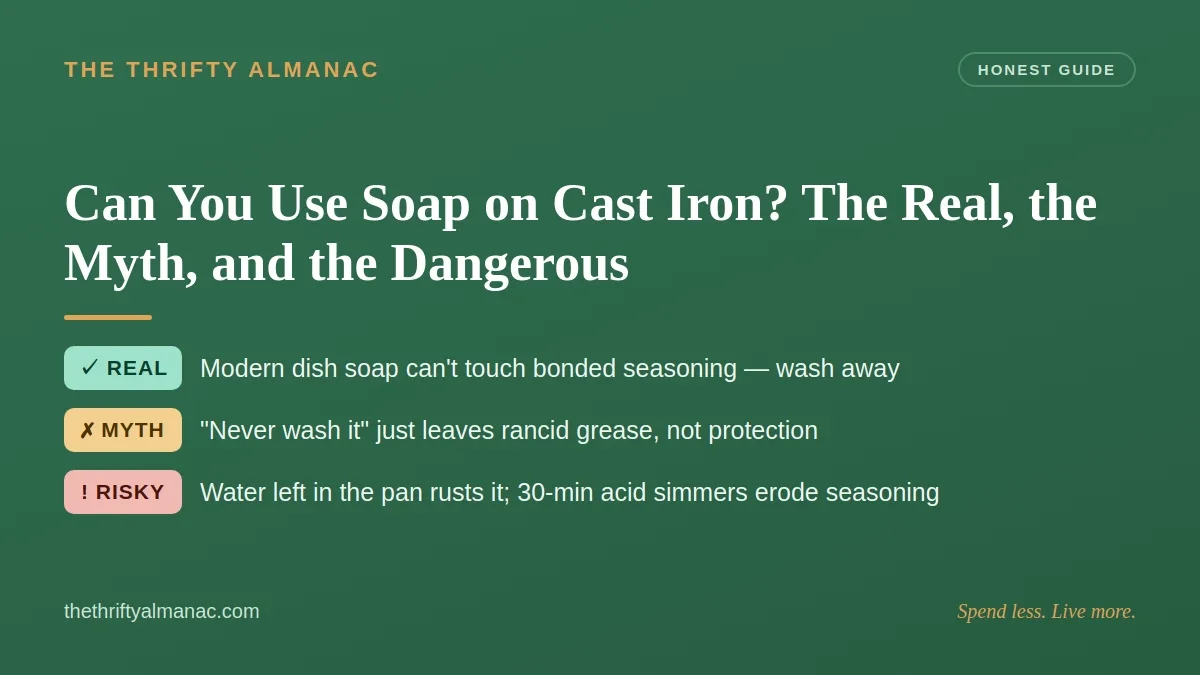
Here's the honest version. That rule was true — 50 or more years ago, when "soap" meant harsh lye-based soap. It's false now. And the reason why explains almost everything people get wrong about cast iron. So let's sort it the way we sort every kitchen legend around here: what's REAL, what's a MYTH, and what's genuinely DANGEROUS for your pan — using what the pan makers and food scientists have actually established, not what we "tested" over a weekend.
What seasoning actually is (and why soap can't touch it)
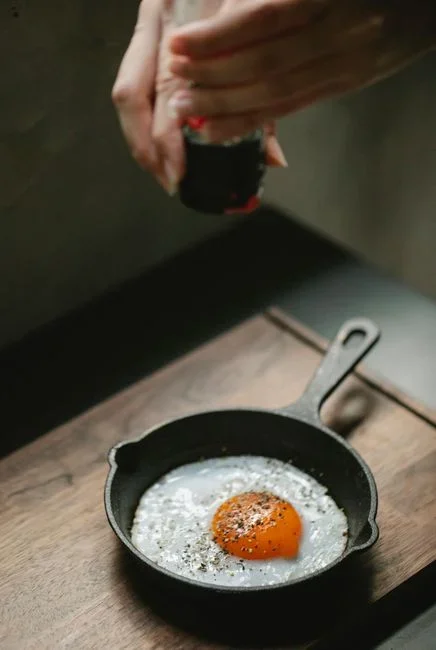
The whole debate collapses once you understand what you're protecting. Seasoning is not a coat of oil sitting on the metal. When you heat fat past its smoke point, the oil doesn't just get hot — it changes into a different substance. Heat releases free radicals (reactive fragments) that cross-link the fatty acids into a hard, solid, plastic-like film that's chemically bonded to the iron. Food-science research on polymerization describes this as turning liquid oil into a cured, solid layer — no longer oil at all.
Think cured epoxy versus wet glue. Dish soap works by grabbing onto free grease and floating it away. But cured seasoning isn't grease anymore — it's a bonded polymer with nothing for the surfactants to dissolve. That single fact explains the soap myth, the "more oil" myth, and the acid danger all at once. Hold onto it.
REAL: what genuinely works
These are the practices backed by the pan makers and the chemistry.
- A quick wash with mild soap is fine. Lodge — the largest US cast iron maker — is blunt about it: "Soap is totally okay! The soap we use for washing dishes today is no longer strong enough to remove seasoning from cast iron."
- Dry completely, then re-oil thin. This — not soap avoidance — is the actual protection routine. Lodge's steps: "Dry completely with a paper towel or lint-free cloth," then "Add a thin layer of oil, using a paper towel to distribute it over the entire surface."
- Coarse-salt scrub for stuck-on food. A handful of coarse salt as a gentle abrasive lifts residue without stripping seasoning. It's widely recommended practice rather than a lab-tested claim — but it's low-risk and it works.
- To reseason, bake thin oil ABOVE its smoke point. This is the opposite of normal cooking: you want to pass the smoke point, because that's what triggers the polymerization that hardens the film. A neutral high-smoke-point oil (canola, grapeseed, or vegetable) is the safe default. Oils high in polyunsaturated fat form the hardest films — flaxseed is about 57% alpha-linolenic acid (a drying oil), so it cures hardest of all — but a neutral oil is the low-fuss choice for most kitchens.

MYTH: the folklore that won't die
Myth 1: "Soap destroys the pan forever"
Only lye soap did. Lye is a strong base, and it's one of the few household things that genuinely saponifies and strips a polymerized layer — so the old rule was legitimately correct for its era. Respect that. But modern dish detergents contain no lye. The rule didn't become wrong; the soap changed underneath it. A splash of Dawn and a sponge will not undo a bonded film.
Myth 2: "You must never wash it — just wipe it out"
Leaving cooked food and fat on the pan doesn't protect the seasoning — it just leaves rancid grease and food residue sitting on your cooking surface, which is a food-safety problem, not a seasoning strategy. The seasoning is already bonded to the metal underneath. Wash it. Dry it. Oil it.
Myth 3: "More oil = better seasoning"
This one fails because of the chemistry above. Polymerization needs a thin film to cure into a hard, even surface. Pile on a thick coat and it can't fully cross-link — it stays tacky and bakes into a gummy, uneven, sometimes sticky mess. Thin layers, repeated, beat one heavy layer every time. If your pan feels sticky, you used too much oil, not too little.
DANGEROUS: what actually wrecks a cast iron pan
Here's the honest payoff — the genuine hazards, ranked by how common and damaging they are. Notice that "a quick soapy wash" is nowhere on this list. Prolonged water contact is.
| Hazard | What happens | The fix |
|---|---|---|
| Dishwasher | "A dishwasher will remove the seasoning and likely cause rust." | Hand-wash only, then dry + oil. |
| Soaking | "Soaking cast iron in water is a recipe for rust." | Wash promptly; never leave it in the sink. |
| Air-drying / storing wet | Rust forms when a pan is "allowed to air dry, or left in moisture-prone environments." | Towel-dry fully; a low burner helps evaporate the last moisture. |
| Long acid simmer | Erodes seasoning and leaches metal — tasters found a metallic flavor after 30 minutes (see below). | Keep acidic simmers short, or add acid late. |
| Cold water on a screaming-hot pan | Uneven contraction — a warping/cracking risk, best documented for enameled and already-stressed pans. | Let it cool a bit before washing. |
The acid problem, with real numbers
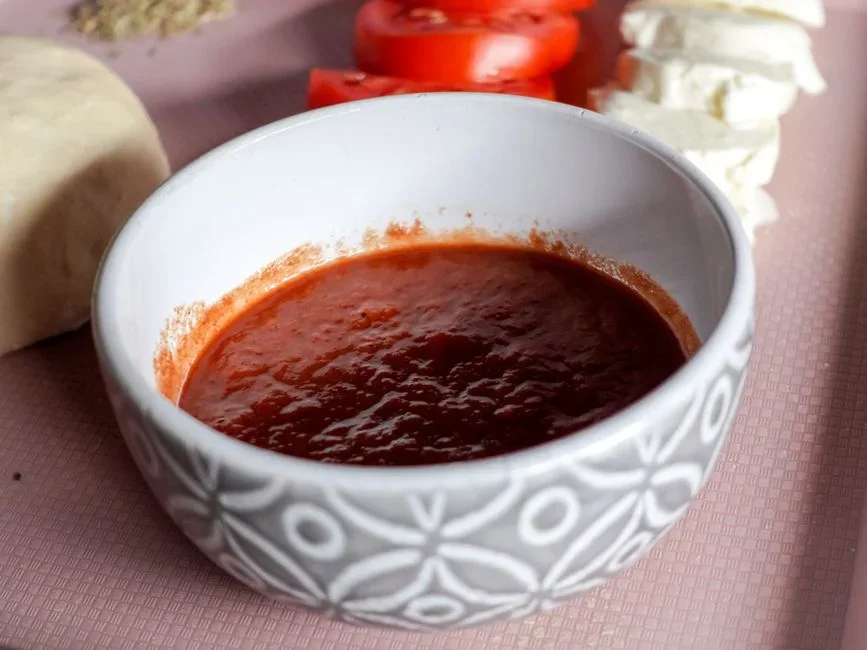
Acidic foods are the subtle one. America's Test Kitchen simmered tomato sauce and found their tasters couldn't detect any metallic flavor after 15 minutes, but after 30 minutes noted a metallic taste in sauce from both pans — far more from the unseasoned skillet. Lab testing confirmed the sauce picked up measurable iron, while stainless steel leached virtually none. The takeaway: quick tomato dishes are fine; a long marinara left to reduce in cast iron is where the seasoning starts to erode.
One reassuring nuance: a well-seasoned pan is genuinely protective. That bonded layer shields the metal up to a point, so a durable, mature seasoning tolerates more acid and longer cook times than a brand-new or bare skillet. Short simmers, or stirring the acid in near the end, keep you safe either way.
A note on thermal shock
You'll hear that dunking a hot pan in cold water will crack it. Bare cast iron is one of the toughest cooking materials there is, and there isn't solid academic evidence of bare skillets cracking from cold water — the risk is real physics but best documented for enameled cast iron and pans already under stress. Still, don't shock a screaming-hot pan with cold water. Let it cool, then wash. Cheap insurance.
And rust: if a pan does rust, scrub it back to bare metal and reseason before cooking. (Federal food-safety guidance is often cited as saying rust should be removed before use; treat that as sound caution even where a direct quote is hard to pin down.) For the bigger picture on prevention versus removal, our guide to stopping rust cheaply walks through when to remove it and when to convert it.
The plot twist: the "damage" is the same thing that puts iron in your food
Here's the two-sides-of-one-coin ending. The exact process that erodes seasoning during a long acidic simmer — acid pulling iron out of the pan — is the same mechanism behind cast iron's iron-nutrition reputation. A systematic review found food iron content can rise dramatically when cooked in iron cookware (one study jumped from 3.15 to 147.32 micrograms per gram), with several studies showing improved blood hemoglobin.
But don't treat your skillet as a supplement. As Columbia University's health service explains, acids in food interact with the iron and release a small amount into the dish — most when cooking something acidic at high temperature for an extended period — but "the amount of iron absorbed through cooking is unpredictable." Acidic, hot, and long means more iron and more seasoning wear; the exact dose is anyone's guess. So enjoy the modest nutritional bonus, keep your acid simmers short, and dry the pan well. Same coin, two sides.
Common mistakes
- Skipping soap but leaving the pan wet. You avoided a non-problem and created a real one. Water, not detergent, is what rusts cast iron.
- Letting it air-dry in the rack. Towel-dry it, then oil it. Air-drying is on the rust list.
- Reseasoning with a thick coat of oil. Thin films cure hard; thick ones stay gummy. Wipe it back to almost-dry before baking.
- Baking seasoning oil below its smoke point. No smoke point, no polymerization — you just get a greasy pan.
- Reducing a long tomato sauce in a bare or new skillet. Save the low-and-slow acidic cooking for a mature pan, or add the acid near the end.
FAQ
So can I really use Dawn on my cast iron?
Yes. Modern dish soap has no lye and can't dissolve the bonded seasoning layer. The one rule: dry the pan completely and rub in a thin layer of oil afterward.
How do I know if I actually stripped the seasoning?
Stripped seasoning looks dull, gray, or bare-metal rather than dark and slightly glossy, and food sticks badly. If that happens, it wasn't the soap — it was likely a harsh scour, a dishwasher, or rust. Just reseason: thin oil, baked past its smoke point.
Is it safe to cook tomatoes and other acidic foods?
For short cooks, absolutely. Trouble starts around the 30-minute simmer mark, when acid erodes seasoning and you can taste metal. Keep acidic dishes brief, or add the acid late — and lean on a well-seasoned pan, which resists it far better than a new one.
What's the best oil for seasoning?
A neutral high-smoke-point oil like canola, grapeseed, or vegetable oil is the reliable everyday choice. Flaxseed forms the hardest film thanks to its high drying-oil content, if you want to fuss over it — but neutral oil, applied thin and often, is what most kitchens should use.
My pan is sticky after seasoning — what went wrong?
Too much oil. A thick coat can't fully polymerize, so it stays tacky. Wipe the pan until it looks almost dry before baking, and do several thin rounds instead of one heavy one.
For more of these legends sorted into fact and fiction, see our roundup of grandma's kitchen tricks, fact-checked, and the cleaning hacks that actually save money.
The takeaway: Soap won't hurt modern cast iron — water left sitting on it will, so wash quick, dry fully, and oil thin. Spend less. Live more. — The Thrifty Almanac




0comments