

You spot a flea on the dog, so you march outside with a bag of powder and dust the whole lawn. A month later the fleas are back, the bees near your flower bed are gone, and you are out twenty dollars. The honest problem with almost every "natural flea yard" video is that it sells you one product and points you at the wrong patch of ground. Fleas do not live evenly across your yard, and no single natural tool covers all of it.
The fix is a map: the dry, sunny parts of your yard need one thing, the damp, shady parts need another, and one popular "natural" spray should never touch your yard at all if a cat lives with you. Here is what actually works, where, and why — plus the safety headline the recipe blogs bury.
Why your yard has fleas (and where they actually hide)
The flea you see is the least of it. Fleas run through four life stages — egg, larva, pupa in a cocoon, then adult — and the adult is the only stage most people ever notice, according to NC State Extension. Adult females feed on your pet, then "begin laying eggs in the fur and surroundings of the host," and those eggs hatch in one to ten days depending on temperature and humidity, per the CDC. Eggs are not sticky, so they roll off wherever the animal rests — the porch, the dog bed, the shady dirt under the deck — and the larvae crawl down into soil and debris, away from light.
So when you attack the adults you can see, you are swatting at the tip. The eggs, larvae, and cocoons in the environment are what refills the population — which is why yard flea control is about finding a few specific hiding spots, not blanketing the grass.
The dry-yard vs. moist-yard map (the core idea)
Here is the fact that reorganizes everything: flea larvae are fragile. Texas A&M AgriLife Extension states plainly that "fleas do not survive well outdoors in hot, sunny lawns" — relative humidity under 50 percent or soil temperature above 95 degrees Fahrenheit kills flea larvae. The places fleas actually breed are the "moist, shaded spots near pet resting areas," while a well-kept lawn in full sun is unlikely to harbor many at all (Texas A&M AgriLife).
Walk your yard once and sort it into two kinds of ground:
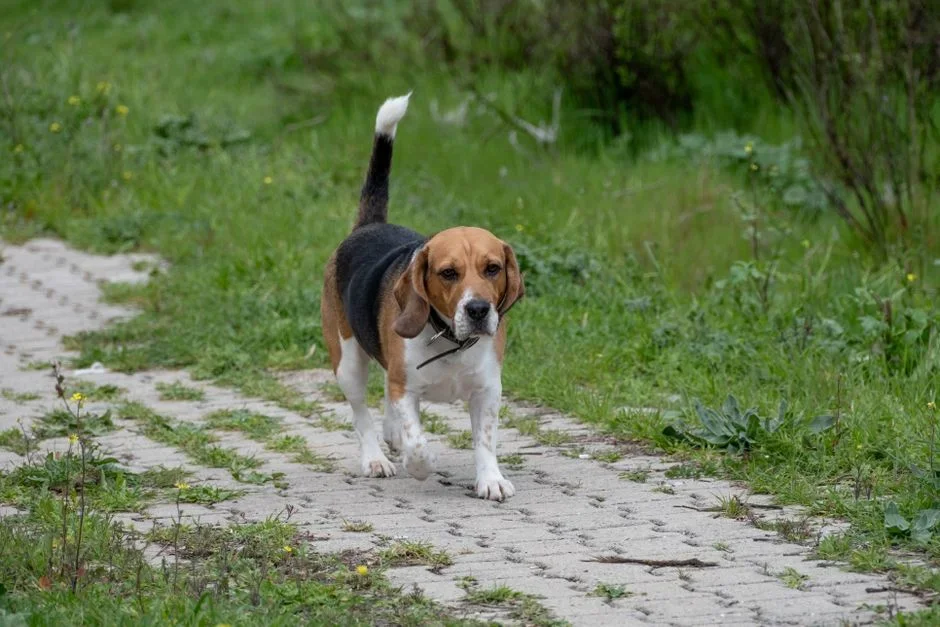
- Dry, sunny zones: open lawn, a gravel path, a sun-baked patio, the dusty spot by the back step where the dog flops down. Larvae mostly die here on their own.
- Moist, shaded zones: under the deck, beneath dense shrubs, along the north side of the house, the damp soil where your pet naps in the heat. This is the flea nursery. It is also the cool, shaded cover where ticks wait to latch onto a host.
The whole strategy follows from this map: one tool works only in the dry zones, the other only in the moist zones, and the open sunny lawn usually needs no treatment at all. Match the tool to the microclimate and you stop wasting product on ground that was never the problem.
Diatomaceous earth: the dry-zone tool
What it is and where it goes. Diatomaceous earth (DE) is a fine powder of fossilized algae. Use it on dry, dusty pet-resting spots, hard dry surfaces, and — especially — pet bedding, which Texas A&M lists as a place to apply DE dust (Texas A&M AgriLife).
How to apply it. Buy food-grade DE, never pool or filter grade. Dust a light, barely-visible film on dry resting areas and work it into bedding, then wash bedding and reapply on a schedule. Redo outdoor spots after rain, irrigation, or a heavy dew, because dampness is DE's off switch.
Why it works. DE kills insects physically, not chemically. It "absorbs the oils and fats from the cuticle of the insect's exoskeleton" so the insect dries out and dies, and its abrasive edges speed that along; silicon-dioxide DE products were first registered as pesticides to kill insects and mites in 1960, per the National Pesticide Information Center. That drying action is exactly why DE belongs in the dry zones.
The limits. DE only works while it is dry. University of Georgia Extension specialists say it "loses most of its effectiveness in damp/humid conditions," and University of Minnesota entomologist Jeff Hahn notes it "is most effective when used in dry conditions and has little effect when it absorbs moisture" (Ask Extension). So broadcasting it over shady, moist soil — the exact place fleas breed — mostly wastes it. Two more cautions from NPIC: inhaled DE dust can irritate the nose and airways, so keep pets and people back until it settles; and DE is not choosy, killing beneficial insects like bees and ground beetles too, another reason to keep it on narrow bedding and resting spots, not the garden. Those beneficial bugs are exactly the free help you want when you are clearing aphids off plants naturally.
Beneficial nematodes: the moist-zone tool

What it is and where it goes. Beneficial (entomopathogenic) nematodes are microscopic roundworms that hunt and parasitize flea larvae down in the soil. They are the tool for the shaded, damp ground where DE fails.
How to apply it. Texas A&M recommends applying predatory nematodes only to the outdoor flea breeding sites — not the whole yard — and irrigating with 1/4 to 1/2 inch of water before and after application, which helps them survive and move through the soil to find larvae; they work best in sandy soils (Texas A&M AgriLife). Nematodes are living organisms, so apply at dusk or on a cloudy day to shield them from UV, and keep the soil moist for about a week afterward.
Why it works. Nematodes need the same moist, shaded conditions the flea larvae hide in. UConn Extension notes the best results come where "soil is moist and direct sunlight is minimal" (UConn). The microclimates line up perfectly. And they are gentle on your household — there is "no evidence that parasitic nematodes or their symbiotic bacteria can develop in vertebrates," and the EPA exempts them from pesticide registration because they occur naturally (UConn).
The limits. They are alive, so they die if you let them cook in the sun, dry out, or sit past their expiration date. And be honest about results: Texas A&M cautions that nematode "effectiveness has not been well tested" for fleas (Texas A&M AgriLife). Treat them as one useful layer aimed at the right spot, not a guarantee.
The one natural spray that can poison your cat
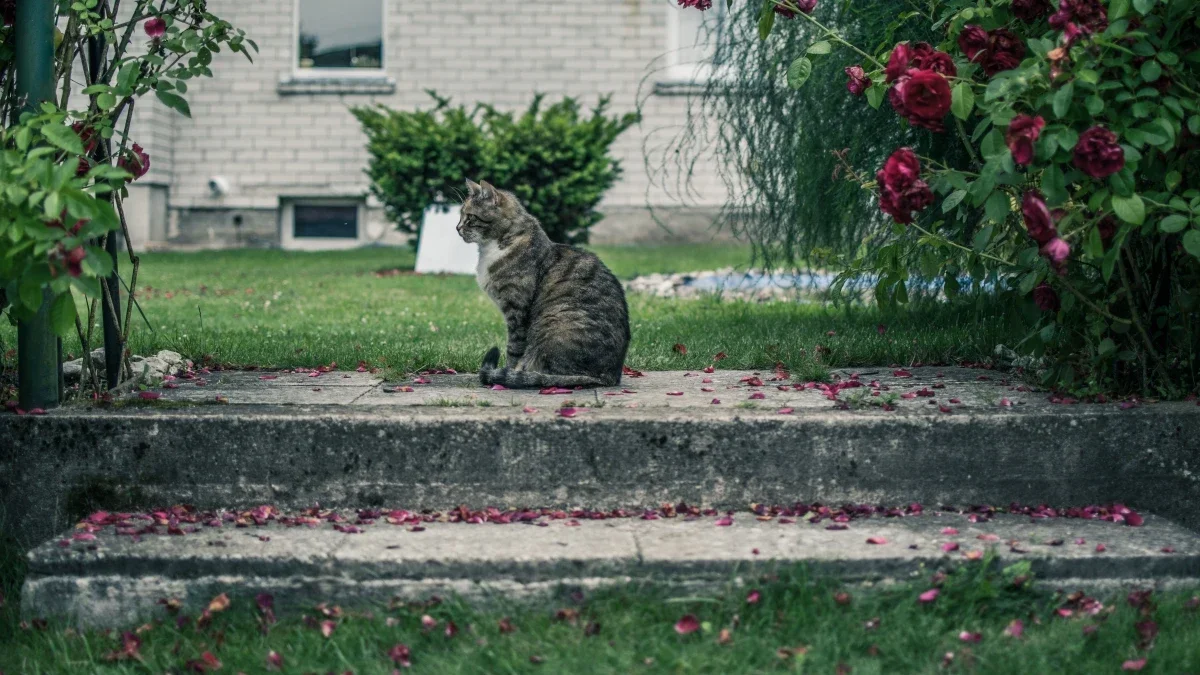
This is the danger the "DIY natural flea spray" recipes gloss over. Several essential oils that show up in homemade and store-bought "natural" flea sprays — tea tree, pennyroyal, peppermint, citrus, pine, wintergreen, cinnamon, ylang ylang — are genuinely toxic to cats.
The reason is biology, not dosage. Cats "are deficient in the enzyme glucuronyl transferase," and that deficiency "makes cats very sensitive to phenol and phenolic compounds, which some oils contain," according to the Merck Veterinary Manual. Their constant grooming puts them at risk "from both dermal and oral exposures," and Merck names tea tree (melaleuca), pennyroyal, cinnamon, cassia, and birch tar among oils that can be hepatotoxic — that is, liver-damaging.
You do not have to spray it on the cat for this to go wrong. VCA Hospitals warns that both ingestion and skin exposure can be toxic, and "only a few licks or a small amount on the skin could be harmful." A cat that walks across a sprayed patio and later licks its paws has been exposed. Signs include drooling, muscle tremors, difficulty walking, weakness, and redness or burns on the lips, gums, tongue, or skin. Dogs face their own quiet yard hazard: a slug bait that can poison them.
If a cat lives in or visits your yard, do not use essential-oil flea sprays anywhere it can walk, brush against, or later groom off. "Natural" does not mean safe here — it can mean tremors, liver damage, or death. If you suspect exposure, call your vet or the Pet Poison Helpline right away.
Putting it together: a pet-safe yard plan
Here is the whole thing as a simple sequence:
- Map the yard into dry-sunny and moist-shaded zones. Leave a healthy sunny lawn alone — it rarely harbors fleas.
- DE the dry spots and the bedding. Light dustings of food-grade DE on dry resting areas and pet bedding; reapply after it gets damp.
- Nematodes on the shaded, moist soil. Apply at dusk, water before and after, keep it damp for a week.
- Cut shade and debris. Mow, trim dense shrubs, and clear leaf litter so more of the yard becomes the hot, dry ground larvae cannot survive in. The same dry-out treatment thins the chiggers that leave rows of itchy welts after a late-summer afternoon in the grass.
- Skip essential-oil sprays if a cat is anywhere in the picture, and treat the pet through your vet — yard work only handles the outdoor share of the cycle.
Fleas cycle through the pet and the inside of your home too, so the yard is one front of three — and just one entry in our full DIY pest control playbook. Talk to your veterinarian about on-animal preventives, and never put dog flea products on a cat. This is general educational information, not veterinary advice.
Common mistakes recap
- Treating the whole lawn. Larvae die in hot, dry, sunny grass; only the moist, shaded pet-resting spots are worth treating.
- Sprinkling DE everywhere. It stops working the moment it gets damp, so it is useless on the shady soil where fleas actually breed.
- Assuming "natural" equals "pet-safe." Essential-oil sprays can poison cats through skin contact alone.
- Killing only the adults you see. Most of the population is eggs, larvae, and cocoons in the environment — miss those and the fleas come right back.
- Using one product for the whole yard. DE and nematodes cover opposite microclimates; you need the right one in the right spot.
FAQ
Can I just spray diatomaceous earth across my whole lawn?
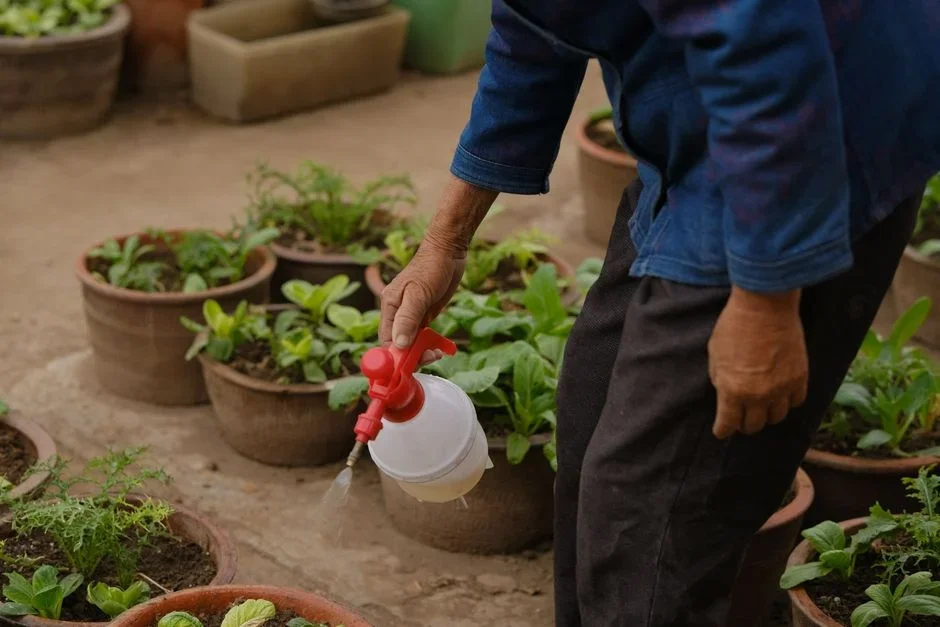
No. DE only works while dry and loses most of its effect once it is damp, so on shaded, moist soil — where fleas actually breed — it mostly sits there useless. It also kills beneficial insects like bees. Keep it on dry resting spots and bedding, and use nematodes for the damp shade.
Are beneficial nematodes safe around my kids, dogs, and cats?
Yes. There is no evidence they can develop in vertebrates, and the EPA exempts them from pesticide registration because they occur naturally (UConn). Their effectiveness against yard fleas is real but variable, so treat them as one layer.
Is a homemade essential-oil flea spray safe if I dilute it?
Not around cats. Cats cannot process the phenols in oils like tea tree, pennyroyal, peppermint, citrus, and pine, and even skin contact or a few licks can be harmful (Merck; VCA). If a cat can reach it, do not use it.
Do I still need to treat my pet if I clean up the yard?
Yes. The yard is only part of the cycle — fleas also live on the animal and indoors, where a soapy-water light trap is often floated as an indoor fix. Ask your veterinarian about on-animal preventives, and never use dog flea products on a cat.
The takeaway: map your yard, put food-grade diatomaceous earth on the dry spots and bedding, put beneficial nematodes on the moist shade where larvae actually live, and keep essential-oil sprays away from any cat entirely. Spend less. Live more. — The Thrifty Almanac



0comments