

You find them on a June morning: the underside of a rose leaf crowded with soft green specks, the new growth already curling. So you do what the gardening videos say — order a bag of ladybugs and dump them on at dusk. By the weekend they are gone, the aphids are not, and you are left wondering what you did wrong.
Here is the honest version those videos skip. Most bought lady beetles fly off within a day or two, even when aphids are everywhere. The real work is done by a simple contact spray and the native predators already in your yard — if you stop chasing them off. This guide is built on the biology, not the sales pitch. It is the same evidence-first approach behind our whole DIY pest-control playbook.
The one aphid "solution" that quietly fails
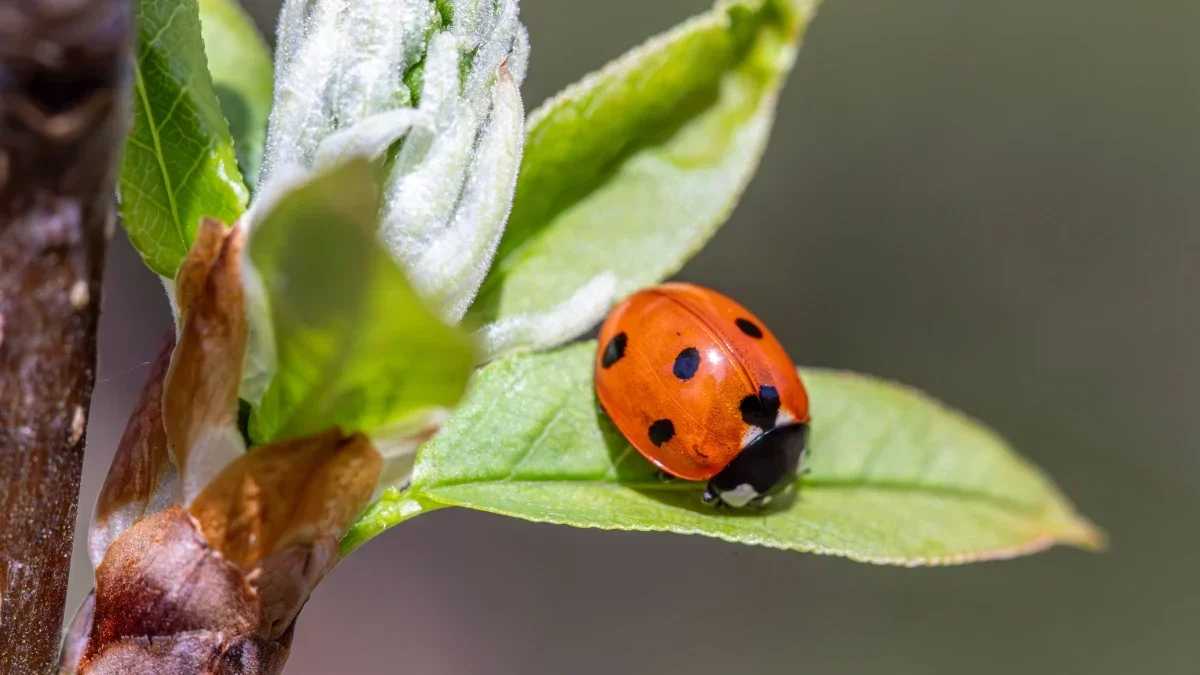
Start with the myth, because it is the most expensive one. A packaged "release" of convergent lady beetles feels like the frugal, natural fix. It usually isn't. According to UC IPM, most released lady beetles "fly away from the release site within 1 or 2 days after they are released even if aphids are plentiful." Because they leave so fast, you never get a settled population — and it is the resident larvae, the alligator-shaped crawlers, that do the heavy eating, not the adults you paid for.
The same source notes each adult eats only about 100 aphids per day before it disperses. This is not an argument against lady beetles — resident wild ones are your best allies — only against buying them.
WHAT actually kills an aphid: the soft-bodied weakness
WHAT: Aphids have a fatal design flaw — they are soft-bodied. No hard shell, just a thin protective outer layer called the cuticle over delicate cells. That is exactly what a contact spray exploits.
HOW it works: Insecticidal soap is not "poison" the way people imagine. As Penn State Extension explains, when it hits a soft-bodied insect it "rapidly disrupts their protective cuticle and penetrates underlying cell membranes," and then "the cell contents leak out, causing the insect to dehydrate and die."
WHY it matters: The mechanism is physical, not chemical — which is why soft-bodied aphids and whiteflies are vulnerable while hard-shelled beetles mostly shrug it off.

LIMIT: Soap is not a broad-spectrum weapon. It works only on soft-bodied targets it directly touches; anything with a tough shell, or anything the spray never reaches, survives.
HOW to mix and spray it right (the part everyone gets wrong)
WHAT: The right product, in the right places, at the right frequency. Most failures come from skipping one of those three.
- Use a real insecticidal soap (or a carefully mixed, tested dilution) rather than reaching for the kitchen bottle.
- Hit the bugs directly. Colorado State University Extension is blunt: soaps "act strictly as contact insecticides, with no residual effect," and "to be effective, sprays must be applied directly to and thoroughly cover the insect targets" (CSU Extension).
- Coat the undersides of leaves and the crowded growing tips where aphids cluster. UC IPM stresses that "thorough coverage of infested foliage is required" and says to target the underside of leaves as well as the top.
- Repeat every few days, because there is no lasting film and one pass is never enough.
WHY repetition is non-negotiable: Soap "kills only aphids present on the day they are sprayed, so applications may need to be repeated" (UC IPM). Wisconsin Horticulture agrees it "only kills by contact, so good coverage and frequent applications are necessary." Every aphid you miss today is a nursery next week — that, not a bad product, is usually why "the soap didn't work."
LIMIT: Do not assume the dish soap under your sink is a free stand-in. Dish soaps "contain powerful detergents that can injure plants, damage soil, and contaminate waterways," per CSU Extension. "Homemade" does not mean "harmless" — if you mix your own, test it first.
HOW to keep from frying your plants (heat and stress rules)
WHAT: The most common self-inflicted disaster is your own spray scorching the leaves. Soaps and oils can burn foliage — a problem called phytotoxicity — but the triggers are predictable and avoidable:
- Do not spray above 90°F. UC IPM says plainly: "don't use soaps or oils on water-stressed plants or when the temperature exceeds 90°F."
- Skip stressed plants. A drought-stressed, wilting plant is far more likely to burn. Water it and let it recover first.
- Spray in the cool of early morning or evening, which also protects pollinators.
- Test first. The same source advises you "test the materials on a portion of the foliage several days before applying a full treatment."
WHY: Heat and drought stress make the leaf surface far more vulnerable, so soap that would have merely killed aphids instead cooks plant tissue — which is why midday summer spraying is the top cause of the "my soap spray fried my leaves" complaint.
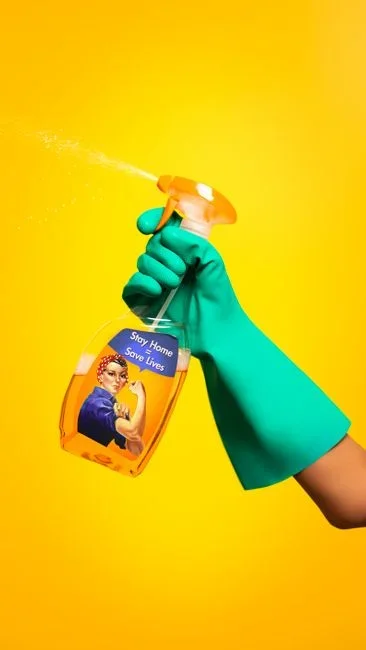
LIMIT: Some plants are sensitive even on a mild, well-watered day. CSU notes that "certain plants are sensitive to insecticidal soap sprays and may be injured." The test patch is how you find out before you lose a whole plant.
WHY native, resident predators beat a bag of beetles
WHAT: The durable answer is not something you buy — it is something you host: wild lady beetles, green lacewings, hoverflies, and their larvae, patrolling your garden for free.
WHY they win: UC IPM's verdict is direct: "naturally occurring predators work best, especially in garden and landscape situations," while purchased beetles give at most temporary control because "most of them will disperse from your yard within a few days" (UC IPM). Resident insects lay eggs on the spot, and those eggs become the larvae that do the real damage to a colony.
HOW to invite and keep them:
- Plant small-flowered blooms (think sweet alyssum, dill, fennel, yarrow) — the nectar feeds adult predators between hunts.
- Go easy on broad-spectrum sprays, which wipe out the good bugs along with the bad.
- Manage ants. Ants farm aphids for their sugary honeydew and will fight off lady beetles to protect their herd, so a bad ant problem quietly sabotages your natural control. That is why getting the ants under control naturally is part of the job.
LIMIT: Be careful with the "larvae eat far more" numbers you have heard online. Extension sources report a single larva can devour many hundreds of aphids as it grows, but the figure we can firmly cite is UC IPM's: a dispersing adult eats about 100 aphids per day. Treat the larger larval numbers as "extension sources report," not gospel. Either way, larvae that stay and eat beat adults that leave.
WHY "natural" is not the same as "bee-safe" — the neem truth
WHAT: Two opposite myths swirl around neem oil and bees: "neem kills bees, never use it," and "it's natural, so spray whenever." Both are wrong, and the reality depends entirely on how the product reaches an insect.
WHY the "neem kills bees" scare is overblown: The National Pesticide Information Center at Oregon State states neem oil is "practically non-toxic to birds, mammals, bees and plants," and because insects must eat the treated plant to be killed, "bees and other pollinators are not likely to be harmed" (NPIC). Bees sip nectar and gather pollen; they do not chew leaves, so dried neem residue on foliage is not the threat the internet claims.
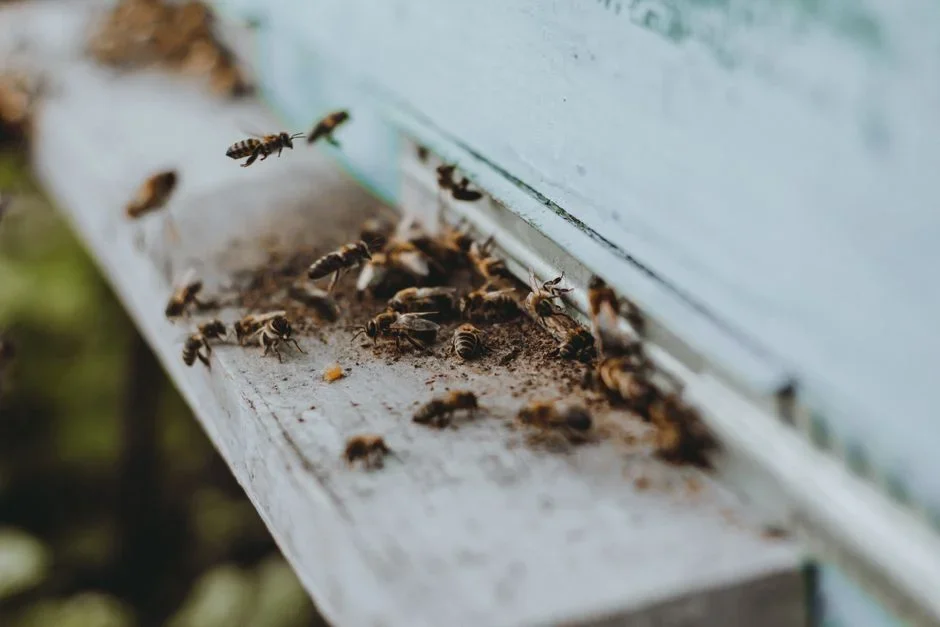
WHY the "natural means safe" shrug is also wrong: A wet contact spray is a different story. Any soap or oil droplet — neem included — that lands directly on a foraging bee, a lacewing, or a lady beetle can kill it, by the same cuticle-disrupting mechanism that kills the aphid. "Natural" describes the ingredient, not the moment of spraying.
HOW to spray responsibly: The real safeguard is timing and aim, not the word "natural." Spray when pollinators are not foraging — early morning or evening — and stay off open blooms where bees are working.
LIMIT: No spray is truly selective the moment the droplet lands, so assume anything you wet directly is at risk and plan the timing accordingly.
The honest routine: a repeatable, bee-conscious aphid plan
Pull it together into a weekly rhythm, most of which costs nothing.
- Inspect weekly. Check the undersides of leaves and the tender new growth. Small problems caught early rarely need spraying at all.
- Blast or wipe the light stuff. A firm jet of water knocks many aphids off (they mostly don't climb back), or wipe a lightly infested stem by hand.
- Spot-spray the rest at cool times. For stubborn colonies, use a proper insecticidal soap, coat the undersides directly under 90°F, and repeat every few days until clean.
- Let resident predators finish. Keep flowers blooming, ease off broad sprays, and manage ants so wild lady beetles and lacewings do the mop-up for free.
This is a home-garden, small-infestation strategy. The same careful, chemical-light thinking carries over to other outdoor nuisances, like clearing fleas out of the yard without dousing your pets. A heavy outbreak, a crop-scale problem, or aphids that spread plant viruses may need stronger management — and a product's own label is the legal, binding word on rates and precautions, so read and follow it. One quiet prevention step: go easy on high-nitrogen feed, since the soft, lush growth it forces is exactly what aphids swarm — and several popular garden fertilizer boosters are myths that add little but that vulnerable growth.
Common mistakes recap
- Buying lady beetles and expecting them to stay — most leave within a day.
- Spraying near the aphids, not on them; soap has no residual and kills only what it wets.
- Spraying once and quitting — no repeat means the survivors rebuild.
- Spraying in midday heat or on a wilting plant, then blaming the soap for the burn.
- Assuming dish soap equals insecticidal soap, or that "natural" neem is safe to spray onto foraging bees.
FAQ
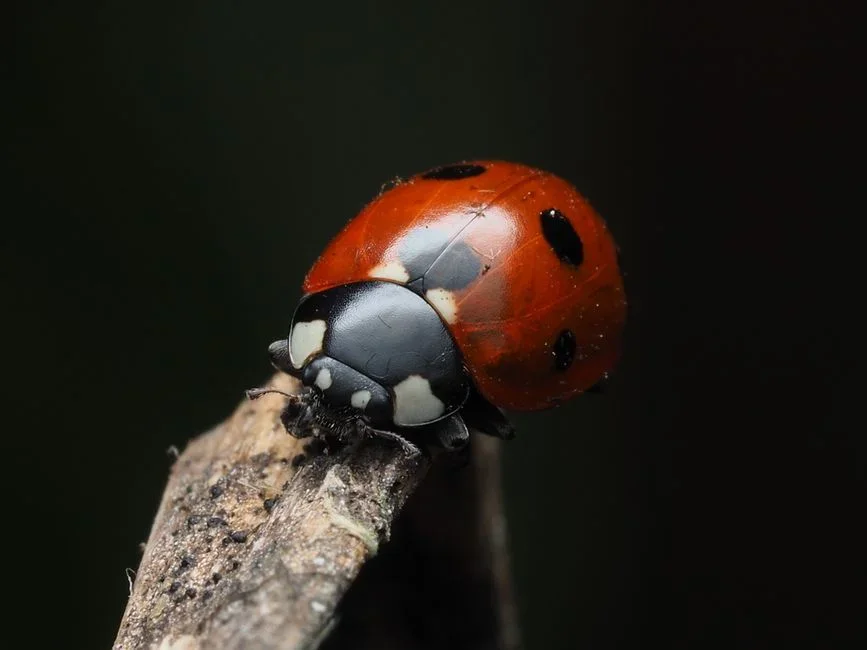
Do store-bought ladybugs actually get rid of aphids?
Rarely, and not for long. Most fly off within a day or two even with plenty of aphids around, so they never settle into the resident population whose larvae do the real eating. Better to make your garden attractive to the wild predators already nearby.
Can I just use dish soap instead of insecticidal soap?
Be careful. Dish soaps contain powerful detergents that can injure plants and harm soil and waterways. Use a true insecticidal soap, or a carefully diluted homemade mix that you test on a few leaves first — never assume homemade means harmless.
Why did my soap spray burn my leaves?
Almost always heat, drought stress, or a sensitive plant. Don't spray above 90°F or on wilting plants, spray in the cool of morning or evening, and test a small patch a day or two ahead. Some plants are sensitive even under ideal conditions.
Is neem oil safe for bees?
Dried residue is not a major threat — neem is practically non-toxic to bees, and they don't eat treated foliage. But a wet spray hitting a bee directly can still kill it, so spray when bees aren't foraging and stay off open blooms.
The takeaway: skip the bag of ladybugs, hit aphids directly with a proper soap at cool times of day, repeat until they're gone, and keep flowers and wild predators around to finish the job for free. Spend less. Live more. — The Thrifty Almanac



0comments